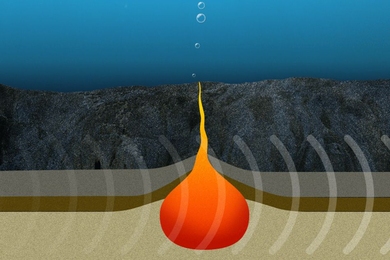
Scientists find seismic imaging is blind to water
Findings may lead scientists to reinterpret seismic maps of the Earth's interior.
Findings may lead scientists to reinterpret seismic maps of the Earth's interior.
MIT ranked within top 5 in 19 out of 48 subject areas.
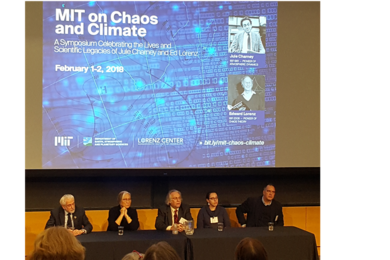
Trailblazing scientists Jule Charney and Edward Lorenz gave us numerical weather prediction and chaos theory, highlighting the value of basic research.
The 51 Pegasi b Postdoctoral Fellowship provides junior scientists the opportunity to conduct theoretical, observational, and experimental research in planetary astronomy.
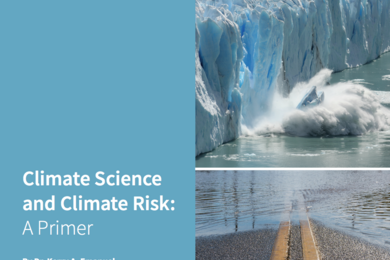
MIT Professor Kerry Emanuel explains the science behind climate change, as well as the associated risks and how to quantify them.
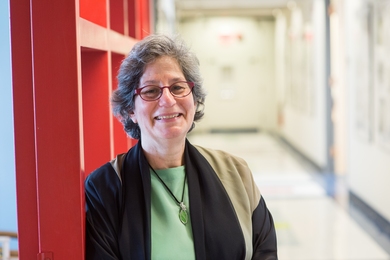
Professor of atmospheric chemistry honored for her contributions to atmospheric science.
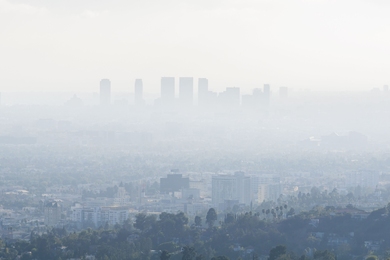
Research shows the Clean Air Act was likely responsible for a dramatic decline in atmospheric organic aerosol.
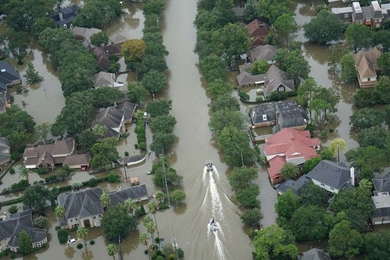
Study finds state’s annual risk of extreme rainfall will rise from 1 to 18 percent.
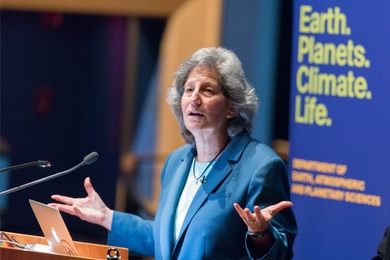
Susan Solomon's John H. Carlson Lecture examines past environmental challenges in the context of today's fight against climate change.
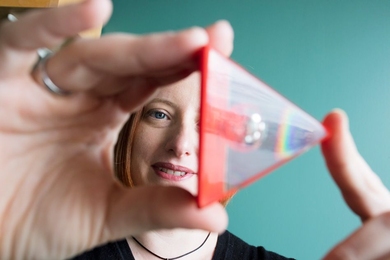
Atmospheric chemist takes on pollutants and the global treaties written to control them.
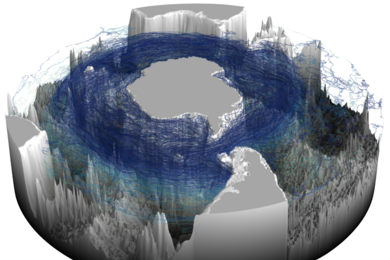
Research reveals the upwelling pathways and timescales of deep, overturning waters in the Southern Ocean.
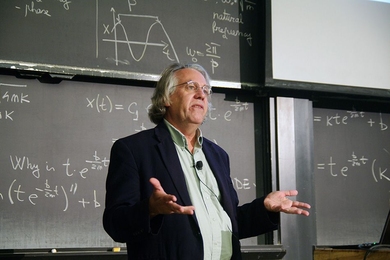
Climate scientist describes physics behind expected increase in storm strength due to climate change.
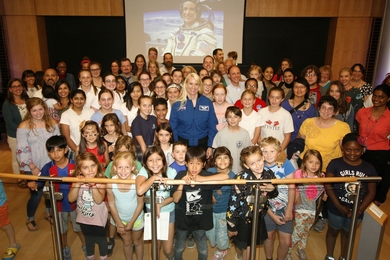
Former Whitehead Fellow and recent International Space Station resident gives public talk and engages with the next generation of scientists and engineers.