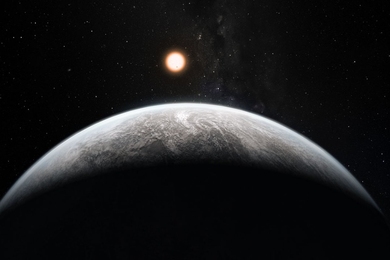
Research updates from TESS: Hunting for worlds beyond our solar system
MIT scientists present exoplanet data at the 237th American Astronomical Society meeting.
MIT scientists present exoplanet data at the 237th American Astronomical Society meeting.
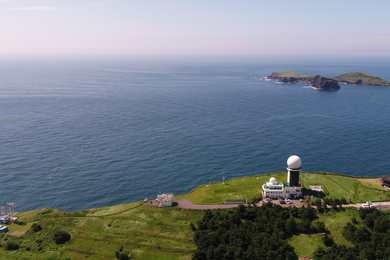
Scientists observe reduction in emissions of banned ozone-depleting chemical after unexpected spike.

MIT International Science and Technology Initiatives launches MISTI Radio, a cross-platform podcast that connects MIT to the world.
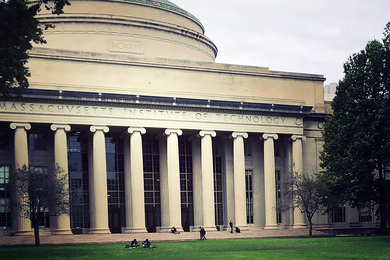
Thirteen postdocs and research scientists honored for contributions to the Institute with awards formerly known as Infinite Kilometer.
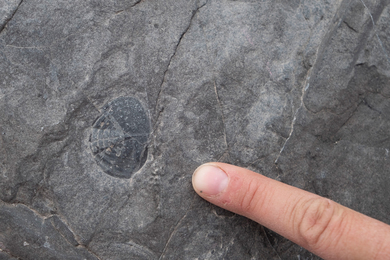
The record shows ancient temperature variations coinciding with shifts in the planet’s biodiversity.
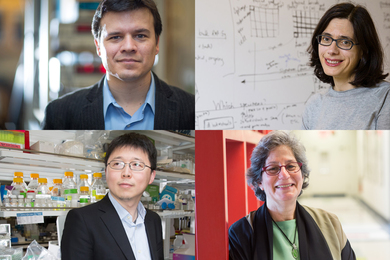
Pablo Jarillo-Herrero, Aviv Regev, Susan Solomon, and Feng Zhang are the recipients of distinguished awards for major contributions to science.
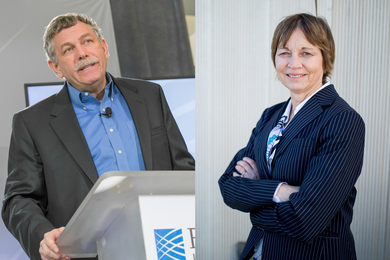
Lander to take a leave of absence to assume Cabinet-level post; Zuber to co-chair presidential advisory council.
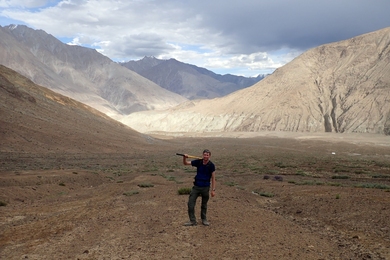
MIT EAPS researchers find the impressive mountain range formed over a series of impacts, not a single event, as previously thought.
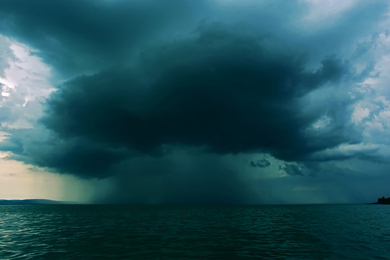
Researchers identify a mechanism by which small particles in the atmosphere can generate more frequent thunderstorms.
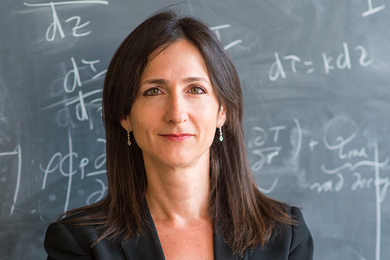
Pioneer in exoplanet research helped transform the burgeoning field into one of the fastest-growing and most exciting in space science.
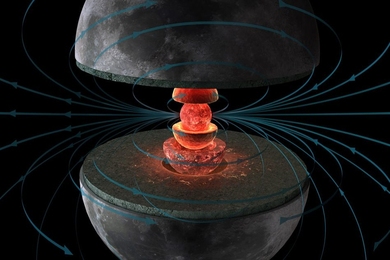
Simulations rule out plasmas caused by meteoroid impacts as the source of lunar magnetism, supporting the proposal that the ancient moon generated a core dynamo.


New study suggests waters will become more turbulent as Arctic loses summertime ice.
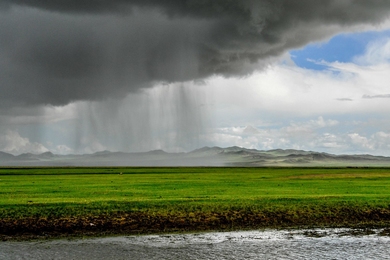
Recent virtual lecture explores how paleoclimatology provides important context for examining the activities of past human societies.
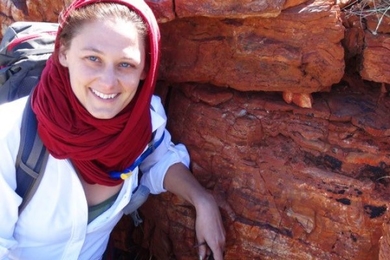
As part of NASA’s Mars 2020 mission, Professor Tanja Bosak helps determine the best samples to bring home for clues about life 4 billion years ago.