How a worm may yield insights into the gut-brain relationship
Gurrein Madan, brain and cognitive sciences graduate student and MathWorks Fellow, studies gut–brain signaling with implications for human health.
Gurrein Madan, brain and cognitive sciences graduate student and MathWorks Fellow, studies gut–brain signaling with implications for human health.
Research on mice suggests aging affects a brain circuit critical for learning to make some types of decisions.
Award cites major contributions to statistical analysis of brain activity and advancing the neuroscience of anesthesia.
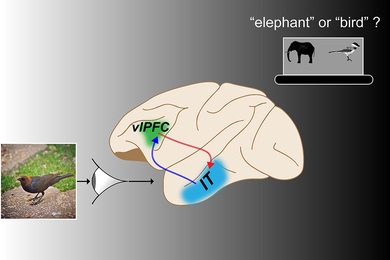
Recurrent processing via prefrontal cortex, necessary for quick visual object processing in primates, provides a key insight for developing brain-like artificial intelligence.
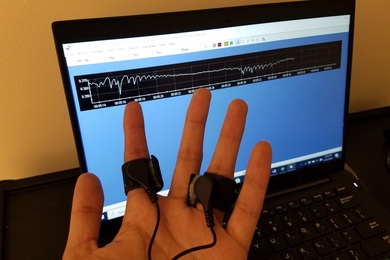
By accounting for sweat physiology, method can make better use of electrodermal activity for tracking subconscious changes in physical or emotional state.
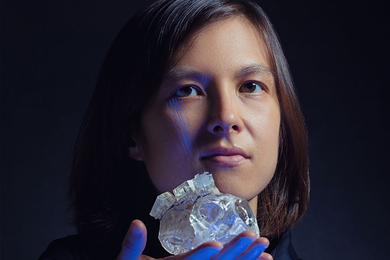
Tool developed at MIT simultaneously measures chemical and electrical brain signals, revealing unexpectedly complex relationship between brain signals.
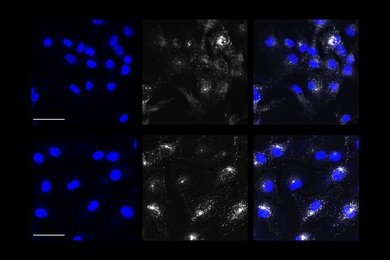
Astrocytes with the APOE4 gene variant show deficits of a key cellular function, but overexpressing the gene PICALM overcame the defect.
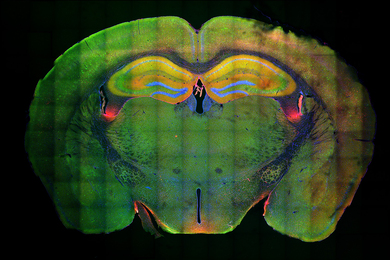
Modifications to chromosomes in “engram” neurons control the encoding and retrieval of memories.

In some situations, asking “what if everyone did that?” is a common strategy for judging whether an action is right or wrong.
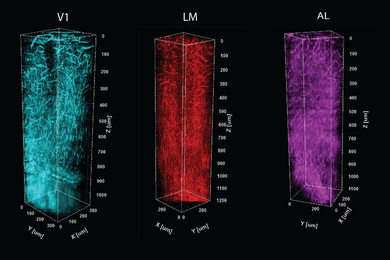
Scientists distinguish brain regions based on what they do, but now have a new way to overlay information about how they are built.
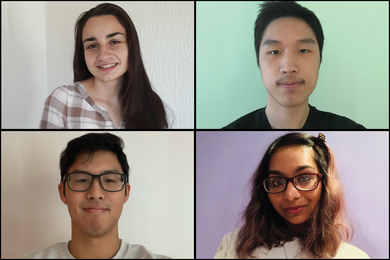
Working remotely this summer, students worked to better understand human intelligence and to advance machine learning applications.
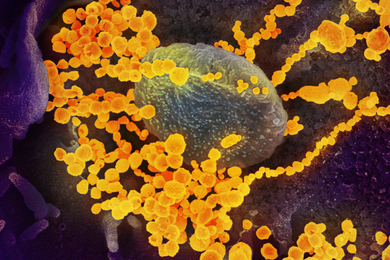
A CRISPR-based test developed at MIT and the Broad Institute can detect nearly as many cases as the standard Covid-19 diagnostic.
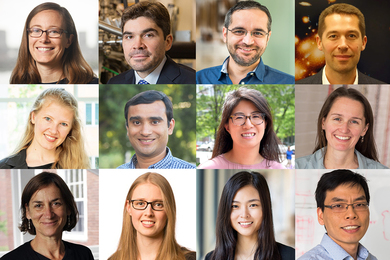
Those selected for these positions receive additional support to pursue their research and develop their careers.
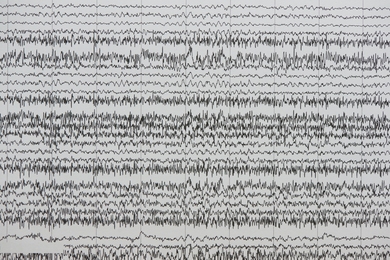
Study also finds specific frequency bands of brain waves associated with encoding, or inhibiting encoding, of sensory information across the cortex.
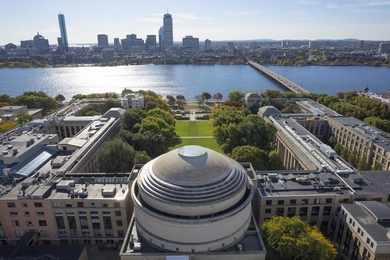
New faculty in these areas will connect the MIT Schwarzman College of Computing and a department or school.