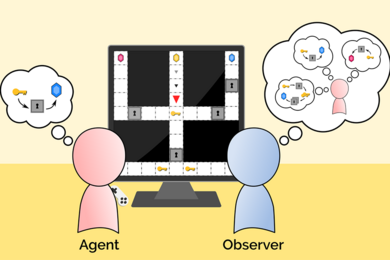
Building machines that better understand human goals
A new algorithm capable of inferring goals and plans could help machines better adapt to the imperfect nature of human planning.
A new algorithm capable of inferring goals and plans could help machines better adapt to the imperfect nature of human planning.
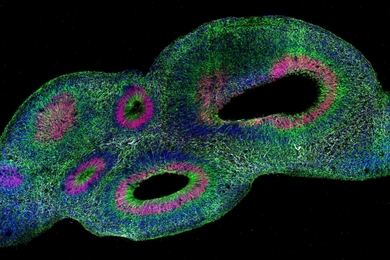
Unbiased, high-throughput analysis pipeline improves utility of “minibrains” for understanding development and diseases such as Zika infection.

Opioid receptor MOR1 changes discovered in neurodegenerative disease model.

Katie Collins and Marla Odell are heading to the United Kingdom next fall for two years of graduate study.
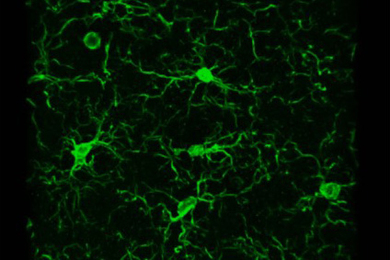
Speakers describe studies to address Alzheimer’s disease, sleep apnea, and to advance fundamental discoveries in cell and chromosome biology.
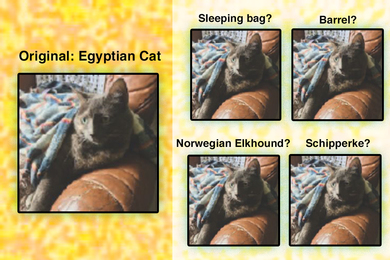
Adding a module that mimics part of the brain can prevent common errors made by computer vision models.
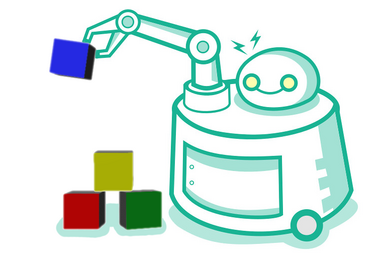
What's SSUP? The Sample, Simulate, Update cognitive model developed by MIT researchers learns to use tools like humans do.
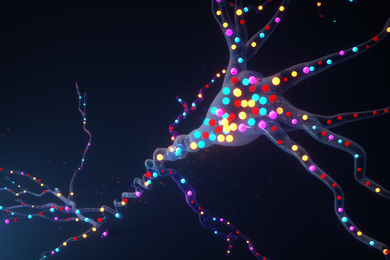
Fluorescent imaging technique simultaneously captures different signal types from multiple locations in a live cell.

Neuroscientists find that isolation provokes brain activity similar to that seen during hunger cravings.
MIT Schwarzman College of Computing and the Singapore Defense Science and Technology Agency award funding to 13 AI-focused projects.

A direct comparison of sensory and higher-order thalamic circuits reveals fundamental differences in how they control the cerebral cortex.

“We need more technologists in the room while policies are formulated,” says the MIT senior.

During her time at MIT, senior Ayesha Ng’s interests have expanded from cellular biology to the social systems that shape public health.

Textual analysis of social media posts finds users’ anxiety and suicide-risk levels are rising, among other negative trends.
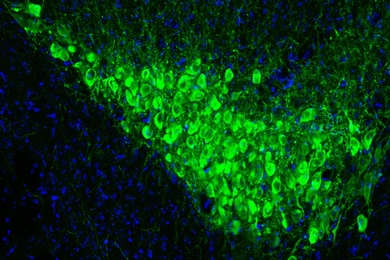
Norepinephrine-producing neurons in the locus coeruleus produce attention focus, impulse control via two distinct connections to prefrontal cortex.