
Ariel Furst and Fan Wang receive 2023 National Institutes of Health awards
The awards support creative, innovative research with a broad impact.
The awards support creative, innovative research with a broad impact.
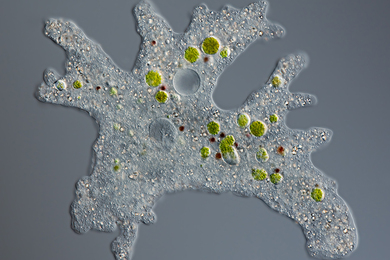
New research finds RNA-guided enzymes called Fanzors are widespread among eukaryotic organisms.
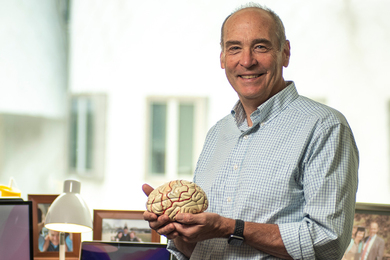
Professor Mark Bear's research on brain plasticity spins off a promising candidate to treat amblyopia, or lazy eye.

Scientists have invested decades in piecing together how our vision is so good at recognizing what’s familiar. A new study overcomes an apparent discrepancy in data to reveal a new insight into how it works.

New research suggests daily mindfulness training at home helped reduce kids’ stress levels and negative emotions.
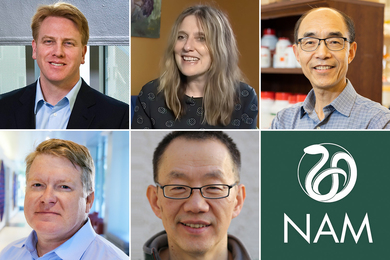
Five MIT faculty, along with seven additional affiliates, are honored for outstanding contributions to medical research.
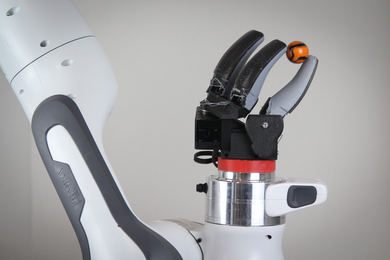
MIT engineers develop a long, curved touch sensor that could enable a robot to grasp and manipulate objects in multiple ways.
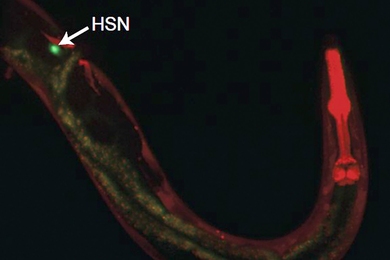
Study finds that in worms, the HSN neuron uses multiple chemicals and connections to orchestrate egg-laying and locomotion over the course of several minutes.
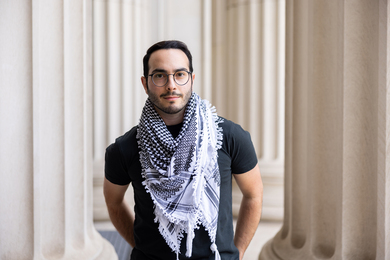
Through his leadership and vision, McGovern Institute postdoc Ubadah Sabbagh aims to improve the scientific process in the US and abroad.

With the growing use of AI in many disciplines, the popularity of MIT’s four “blended” majors has intensified.
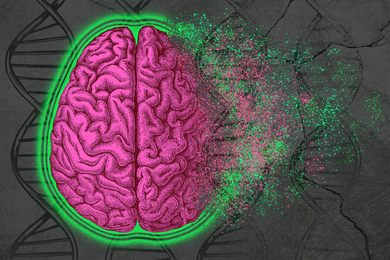
By analyzing epigenomic and gene expression changes that occur in Alzheimer’s disease, researchers identify cellular pathways that could become new drug targets.
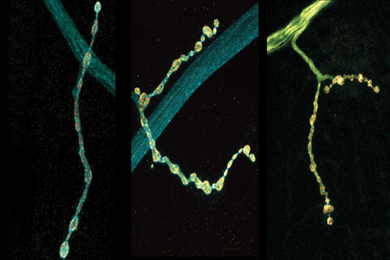
Neurons stochastically generated up to eight different versions of a protein-regulating neurotransmitter release, which could vary how they communicate with other cells.
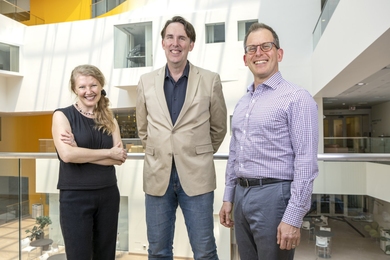
Department of Brain and Cognitive Sciences faculty members Ev Fedorenko, Ted Gibson, and Roger Levy believe they can answer a fundamental question: What is the purpose of language?

A visionary entrepreneur and innovator, Yoon will focus on entrepreneurship, supporting female engineers, and fostering inclusive innovation.

In a simple game that humans typically ace, mice learn the winning strategy, too, but refuse to commit to it, new research shows.