Department
Biology
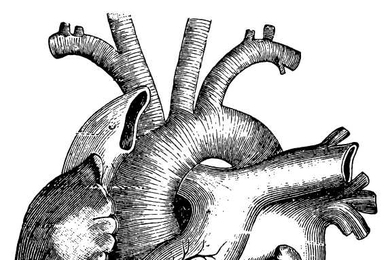
Cardiac development needs more than protein-coding genes
Biologists find that long non-coding RNA molecules are necessary to regulate differentiation of embryonic stem cells into cardiac cells.
Science students hold design-thinking workshop
Program aims to help students gain perspective on new methodologies, improve overall research skills.

Microbiologists eavesdrop on the hidden lives of microbes
Scientists track ocean microbe populations in their natural habitat to create a ‘day in the life’ montage.

Possible role for Huntington’s gene discovered
Mutant forms of the gene disrupt chemical modifications that control access to genes necessary for normal brain cell function.
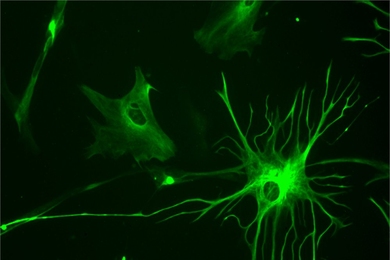
Study finds a new culprit for epileptic seizures
Discovery that some seizures arise in glial cells could offer new targets for epilepsy treatment.
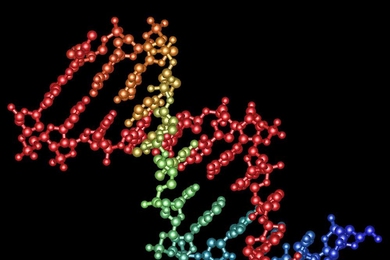
Editing the genome with high precision
New method allows scientists to insert multiple genes in specific locations, delete defective genes.
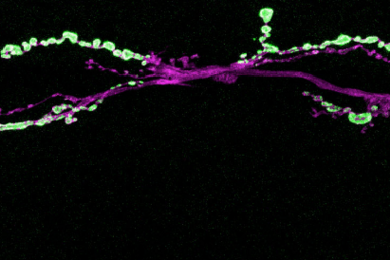
New insights into how brain synapses transmit information
Two essential proteins regulate the molecular machinery that controls neuronal communication and the release of signals between neurons.
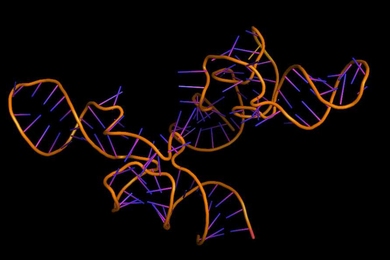
Evolution: It’s all in how you splice it
MIT biologists find that alternative splicing of RNA rewires signaling in different tissues and may often contribute to species differences.
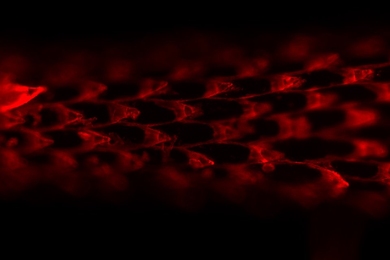
Inspiration from a porcupine’s quills
Understanding the mechanisms behind quill penetration and extraction could help engineers design better medical devices.

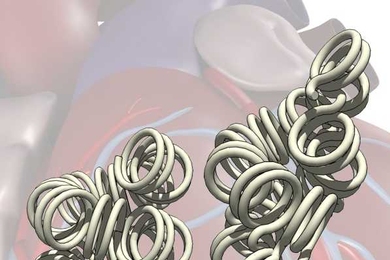
Probing matters of the heart
New study of stem cell differentiation could help researchers better understand the genetic basis of heart disease.
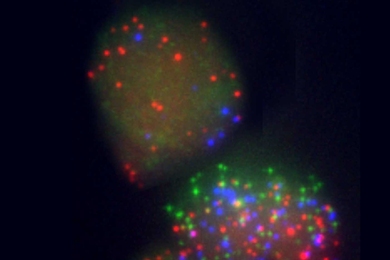
Tracking stem cell reprogramming
Biologists reveal genes key to development of pluripotency, in single cells.

Four from MIT win NIH grants
Brown, Gore, Ploegh and Zhang receive grants for innovative biomedical research.