MIT affiliates elected to National Academy of Sciences for 2026
Six MIT faculty, along with 10 additional alumni, are recognized by their peers for their outstanding contributions to research in the natural and social sciences.
Six MIT faculty, along with 10 additional alumni, are recognized by their peers for their outstanding contributions to research in the natural and social sciences.
Computational neuroscientist Sven Dorkenwald and cell biologist Whitney Henry, along with two MIT alumni, are recognized for their exceptional early-career research contributions.
Nearly 100 MIT students participate in a buddy program that assists Boston-area residents.
His studies have shed light on the assembly instructions that govern ribosomes, the critical protein-building machines of the cell.
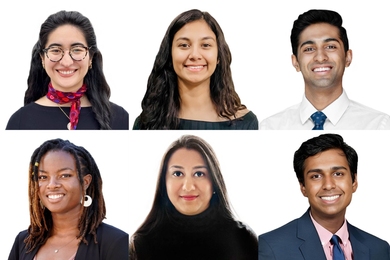
Fellowship honors contributions of immigrants to American society by awarding $90,000 in funding for graduate studies.
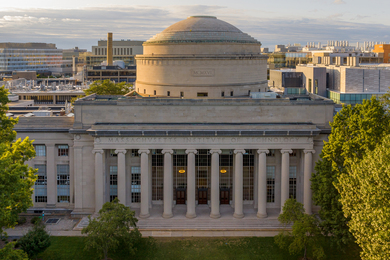
The prestigious honor society honors four MIT faculty and 13 additional MIT alumni among more than 250 new members.
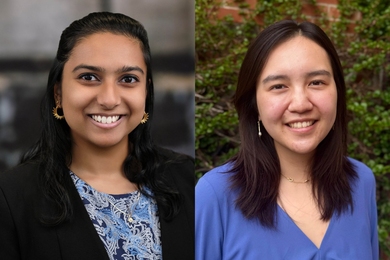
Mitali Chowdhury ’24 and Christina Kim ’24 will pursue graduate studies at Cambridge University in the UK.
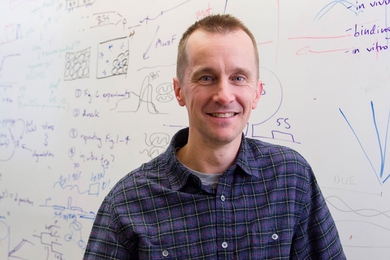
The American Association for the Advancement of Science recognized Laub and 21 alumni for their efforts to advance science and related fields.
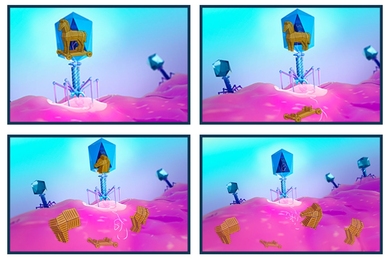
SNIPE, a newly characterized biological defense system, directly protects bacteria by chopping up invading viral DNA.

Researchers uncovered how cells selectively destroy certain microRNAs — key gene regulators — through a mechanism that requires two RNA signals working together.
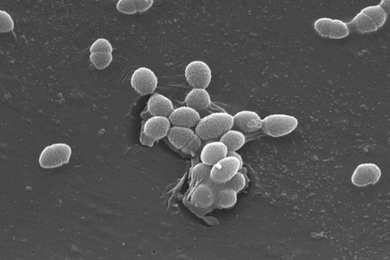
Study finds a common bacterium can suppress the body’s early warning system in wounds, causing infections to persist and create an environment that allows other bacteria to take hold.
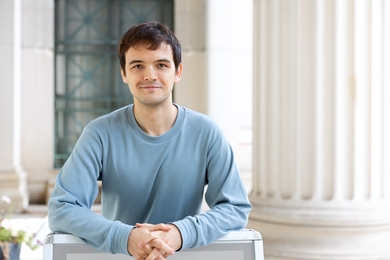
Computational biologist Sergei Kotelnikov is working to develop new methods in protein modeling as part of the School of Science Dean’s Postdoctoral Fellowship.
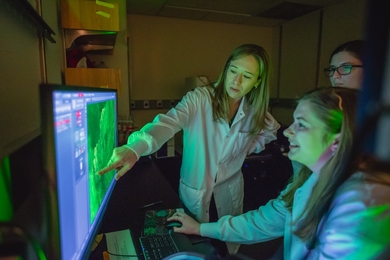
“We cannot be effective scientists if we are unhappy or unhealthy outside of the lab,” says “Committed to Caring” honoree Sara Prescott.
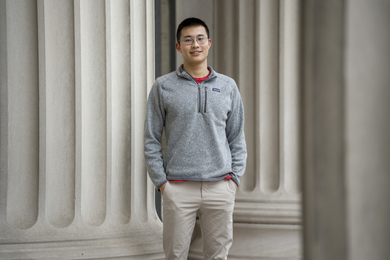
As an aspiring physician-scientist and editor-in-chief of The Tech, MIT senior Alex Tang has found inspiration in the lives of patients and others in his community.
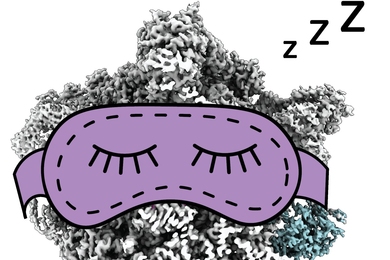
The method allows researchers to observe biomolecular complexes in a quick, accurate, and budget-friendly way, providing new insights into bacterial protein synthesis.