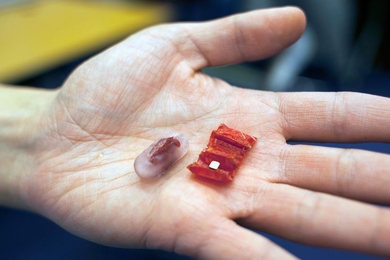
Ingestible origami robot
Robot unfolds from ingestible capsule, removes button battery stuck to wall of simulated stomach.
Robot unfolds from ingestible capsule, removes button battery stuck to wall of simulated stomach.

Study identifies new gene variants that may be targets for treating arrhythmia.
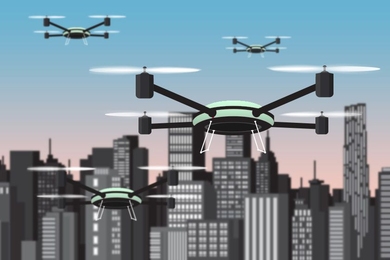
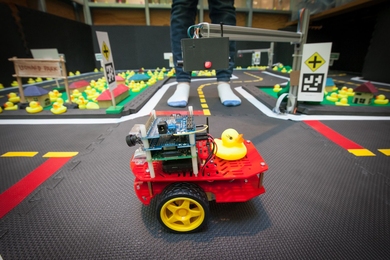
“Duckietown” class at Computer Science and Artificial Intelligence Lab teaches autonomy, aims to become global research platform.
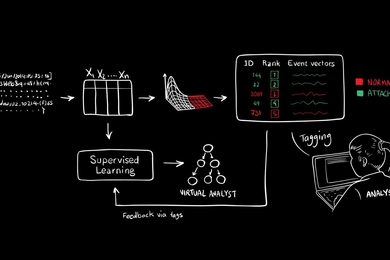
Virtual artificial intelligence analyst developed by the Computer Science and Artificial Intelligence Lab and PatternEx reduces false positives by factor of 5.

New debugging method found 23 undetected security flaws in 50 popular Web applications.

System from MIT’s Computer Science and Artificial Intelligence Lab enables single WiFi access point that can locate users within tens of centimeters.
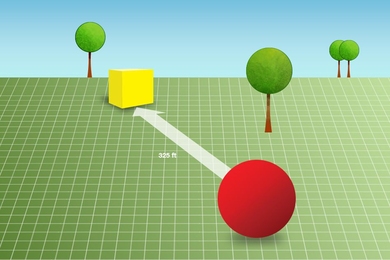
Depth sensor built from off-the-shelf parts filters out ambient infrared light.
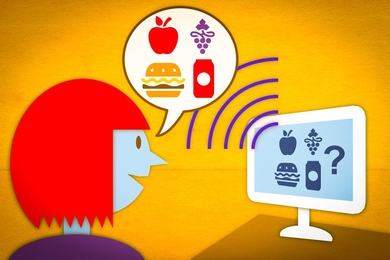
Spoken-language app makes meal logging easier, could aid weight loss.

Cryptographic system would allow users to decide which applications access which aspects of their data.

With EU vice president, U.S. secretary of commerce discusses EU-U.S. “Privacy Shield” and launches new policy program.
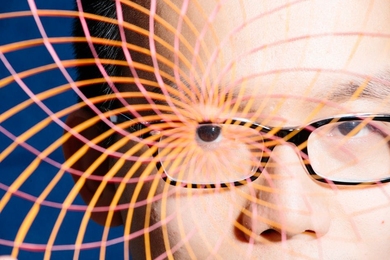
Senior YQ Lu finds new ways to combine math and paper art, shares his passion for both.
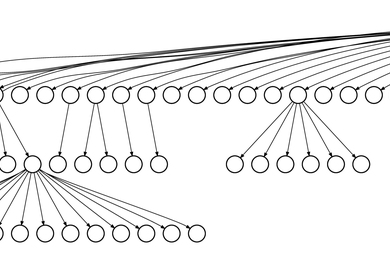
"Polaris" system from MIT's Computer Science and Artificial Intelligence Lab accelerates website load-time by decreasing network trips.

Hosted by the Computer Science and Artificial Intelligence Laboratory, event featured mixed student teams tackling cybersecurity challenges.