
New funding enables work on Internet policy and cybersecurity for key infrastructure
Work made possible by grants from the Internet Policy Research Initiative.
Work made possible by grants from the Internet Policy Research Initiative.

System directs camera-equipped drones to maintain framing of an aerial shot.
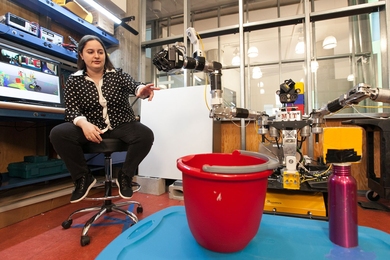
CSAIL approach allows robots to learn a wider range of tasks using some basic knowledge and a single demo.
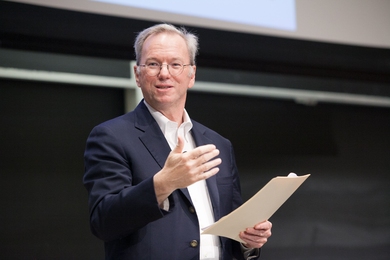
Former Google CEO, now chairman of parent company Alphabet, speaks to students as part of fireside chat with CSAIL Director Daniela Rus.

By measuring this emerging vital sign, CSAIL system could help monitor and diagnose health issues like cognitive decline and cardiac disease.
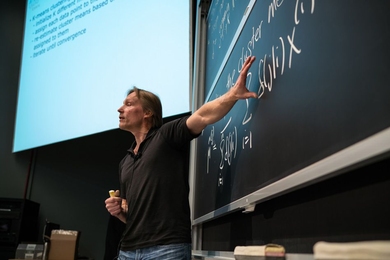
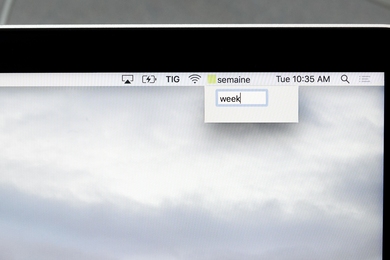
CSAIL tool integrates with email and web browsers to harness micro-moments.
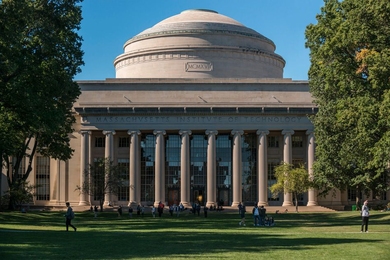
Prestigious honor society announces 228 new members this year.
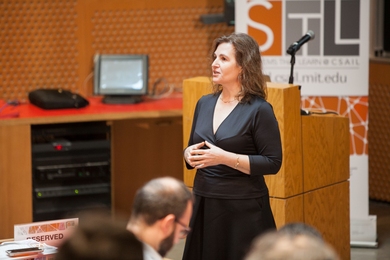
SystemsThatLearn@CSAIL aims to develop new “human-like systems” for data science and other fields.
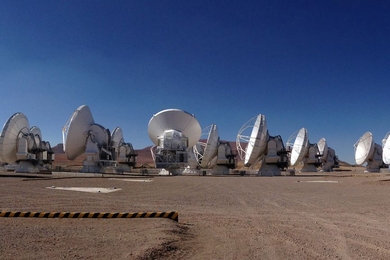
Through an international effort led by MIT Haystack Observatory, the ALMA array in Chile has joined a global network of radio telescopes.
![Tim Berners-Lee was honored with the Turing Award for his work inventing the World Wide Web, the first web browser, and "the fundamental protocols and algorithms [that allowed] the web to scale."](/sites/default/files/styles/term_page__news_article/public/images/201704/tim-berners-lee-mit-turing-award-00_1.jpg?itok=1MdPEI1v)
CSAIL researcher honored for inventing the web and developing the protocols that spurred its global use.
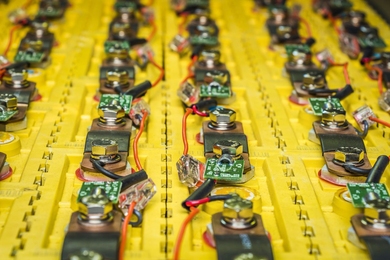
With support from the Toyota Research Institute, MIT faculty will focus on next-generation energy storage.
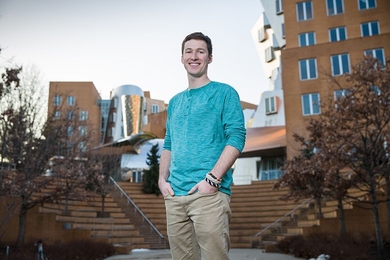
Senior Evan Denmark explores new cultures through travel and documentary making.
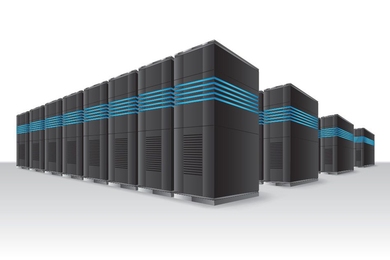
System allocates data center bandwidth more fairly, so no part of a webpage lags behind others.

Report warns of hacking risk to electric grid, oil pipelines, and other critical infrastructure.