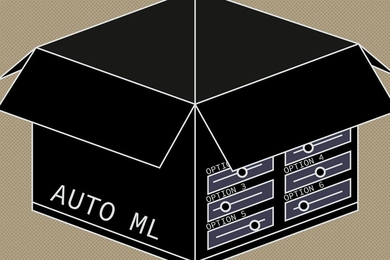
Cracking open the black box of automated machine learning
Interactive tool lets users see and control how automated model searches work.
Interactive tool lets users see and control how automated model searches work.

Image-translation pioneer discusses the past, present, and future of generative adversarial networks, or GANs.
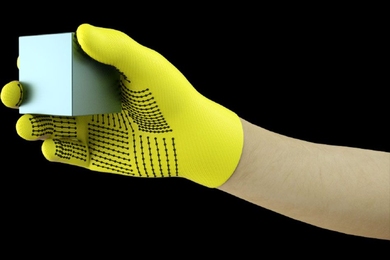
Signals help neural network identify objects by touch; system could aid robotics and prosthetics design.
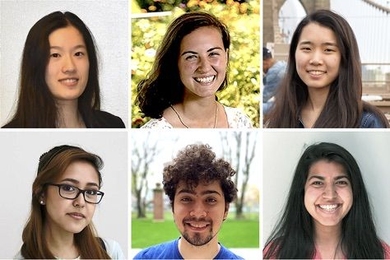
MIT Quest for Intelligence-sponsored undergraduate research projects demystify AI.
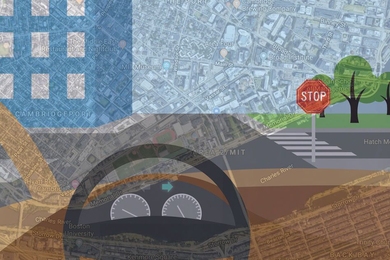
Autonomous control system “learns” to use simple maps and image data to navigate new, complex routes.
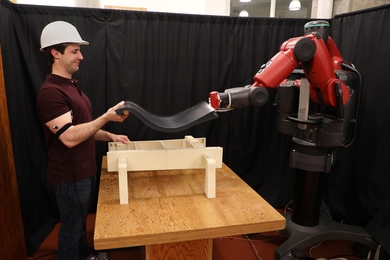
CSAIL system can mirror a user's motions and follow nonverbal commands by monitoring arm muscles.

New program will focus on rapid deployment of artificial intelligence innovations in operations, disaster response, and medical readiness.

A novel computational model that considers how users have been conditioned to think about race might facilitate training for teachers and students.

Through MIT App Inventor, Abelson aims to show children how they can use technology to shape their world.
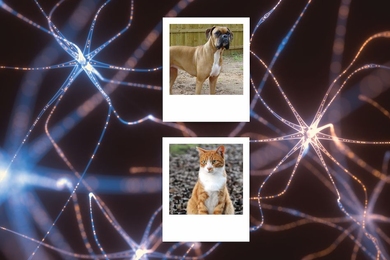
New method quickly detects instances when neural networks make mistakes they shouldn’t.
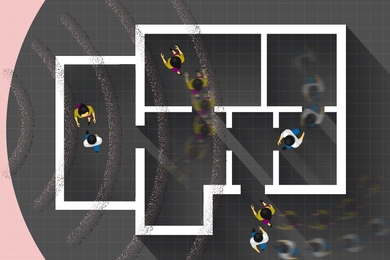
In some cases, radio frequency signals may be more useful for caregivers than cameras or other data-collection methods.
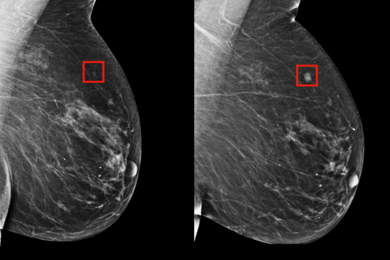
MIT/MGH's image-based deep learning model can predict breast cancer up to five years in advance.
MIT CSAIL project shows the neural nets we typically train contain smaller “subnetworks” that can learn just as well, and often faster.
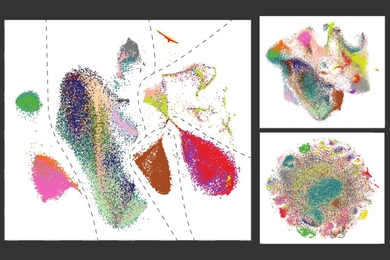
Algorithm stitches multiple datasets into a single “panorama,” which could provide new insights for medical and biological studies.

Data-sampling method makes “sketches” of unwieldy biological datasets while still capturing the full diversity of cell types.