J-PAL North America, a research and policy center in the MIT Department of Economics, is launching a free Homelessness Evaluation Resource Hub.
The hub — a public repository of evergreen multimedia content developed with a grant from Google.org — aims to equip decision-makers with foundational tools on how to leverage evidence to reduce homelessness and improve housing stability.
Homelessness represents both a cause and a consequence of poverty and inequality. Rigorous evidence is critical in identifying effective solutions to eliminating homelessness, but rising constraints on time, funds, and other resources can create difficult barriers to developing and accessing high-quality evidence.
J-PAL North America aims to increase access to evidence-informed paths to housing stability by providing essential tools for researchers, policymakers, and practitioners to evaluate the impact of their programs, expand the body of literature on what works to reduce homelessness, and leverage existing evidence to inform programs and decision-making.
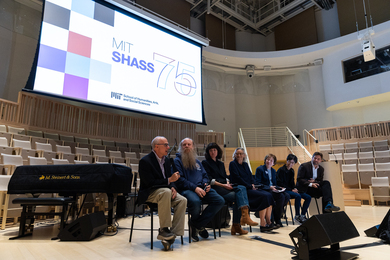
To launch the hub, J-PAL North America is hosting a virtual event on Oct. 27.
David Phillips, director of research at the Wilson Sheehan Lab for Economic Opportunities (LEO) and research professor of economics at the University of Notre Dame, served as the scientific advisor on the hub.
“I’m thrilled to have been able to contribute to J-PAL North America’s Homelessness Evaluation Resource Hub,” Phillips says. “In my 15 years working with nonprofit and government leaders on program evaluations, I've seen how much value comes from practitioners and academics entering each others’ world, learning to speak each others’ languages, and, most of all, learning from each other. This resource hub builds shared language for research design so teams can move forward with clarity and confidence — creating more time to focus on the shared goals of continuous learning and improving outcomes for communities.”
The hub includes resources focused on two primary activities: using evidence, and generating evidence. The Using Evidence section provides newly developed two-page policy briefs that synthesize experimental and quasi-experimental research results on five established homelessness and housing interventions — “Housing First,” emergency financial assistance, case management, legal assistance in housing court, and housing vouchers — with more on the way.
The section also features J-PAL North America’s 2019 Evidence Review, “Reducing and Preventing Homelessness: Lessons from Randomized Evaluations,” which synthesizes results from 40 rigorous evaluations of 18 distinct programs related to homelessness prevention and reduction in North America.
The Generating Evidence section houses seven modules on foundational concepts of rigorous impact evaluations such as ethics, data and measurement, and opportunities for randomization, and how to apply them to evaluations in the homelessness sector. These resources build upon J-PAL’s experience training over 30,000 learners over two decades to become better users and producers of evidence.
“We are proud to be launching the Homelessness Evaluation Resource Hub,” says Laina Sonterblum, a J-PAL North America policy and communications manager who oversees the organization’s housing and homelessness portfolio. “These resources are informed by over a decade of experience working with partners and researchers to understand the current literature and build the base of rigorous research on the best ways to address homelessness. We’re hoping the hub can provide a free, accessible entry point for anyone curious about how evidence can be a tool for learning and maximizing the effectiveness of programs and policies.”
The resources in the hub are also informed by nearly 20 informational interviews with prominent researchers, intermediaries, government leaders, and service providers in the region and build off a decade of experience working with partners and researchers to build the base of rigorous evidence on the best ways to address homelessness. J-PAL North America developed these resources in close collaboration with partners at LEO at Notre Dame and is especially grateful to David Phillips, who provided meticulous guidance and subject matter expertise.
Explore the Resource Hub.