Skip to content ↓

Greening the built environment

New research on the environmental impact of concrete
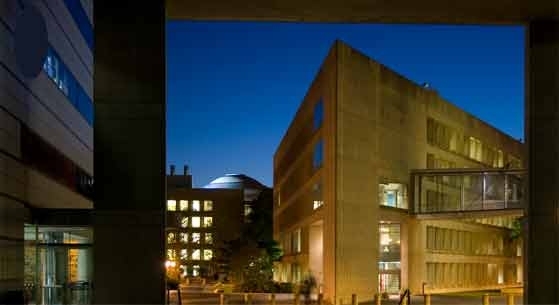
Concrete is the most widely used man-made material on earth, and its use contributes about 5 percent of global carbon dioxide emissions
Caption:
Concrete is the most widely used man-made material on earth, and its use contributes about 5 percent of global carbon dioxide emissions
Credits:
Photo: Judith M. Daniels/SA+P

Led by professors John Ochsendorf and Les Norford from the Building Technology Group in the School of Architecture + Planning’s Department of Architecture, newly released concrete life cycle research analyzes the overall performance of residential buildings, commercial buildings and highway pavements for different climatic regions, considering all phases of their life cycle from production and transportation through construction, maintenance and operations and finally through disposal.

Read more

Related Links

Related Topics

More MIT News

Globular blue and white orbs "examining" single-stranded RNA products and marking them with green checks or red x's

Why are some bacterial genes high in purines?

In certain species of bacteria, the answer lies in shielding RNA transcripts from a quality-control factor called Rho. Understanding the requirements for expressible sequences is critical for expression engineering of therapeutic agents.

Read full story

Rich Nielsen, Volha Charnysh, Kevin Dorst, and Emily Richmond Pollock seated at a table, talking

Building a scholarly community

The SHASS Faculty Fellows Program, administered by the MIT Human Insight Collaborative, is fostering new research projects and creating space for supportive and interdisciplinary discussion.

Read full story