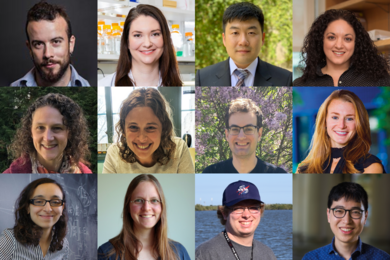
School of Science welcomes new faculty
Twelve professors begin in the departments of Biology; Brain and Cognitive Sciences; Chemistry; Earth, Atmospheric and Planetary Sciences; Mathematics; and Physics.
Twelve professors begin in the departments of Biology; Brain and Cognitive Sciences; Chemistry; Earth, Atmospheric and Planetary Sciences; Mathematics; and Physics.
Covid-19 class taps experts to help students and the public avoid misinformation as the crisis evolves.
KSQ Therapeutics uses technology created at MIT to study the role of every human gene in disease biology.
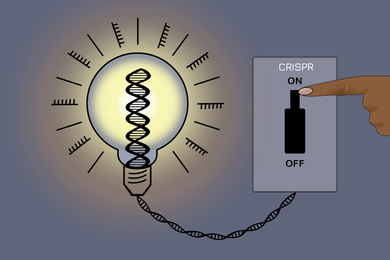
New, reversible CRISPR method can control gene expression while leaving underlying DNA sequence unchanged.

The gene variant disrupts lipid metabolism, but in cell experiments the effects were reversed by choline supplements.

Worked to consistently maintain immaculate, state-of-the-art animal facilities, and provided guidance and support to DCM’s 90 animal care technicians and many active researchers.
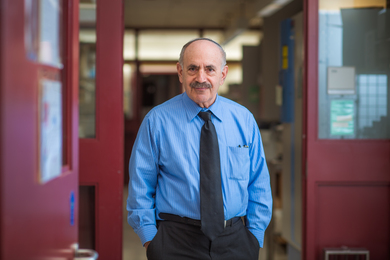
The award recognizes Weinberg’s pioneering achievements in the field of cancer biology.

Using CRISPR technology, researchers are tracking the lineage of individual cancer cells as they proliferate and metastasize in real-time.
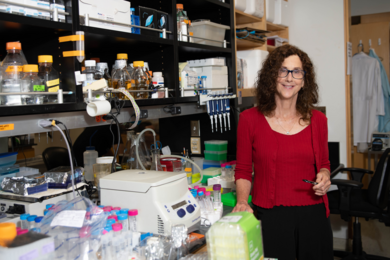
Structural biologist Pamela Björkman shared insights into pandemic viruses as part of the Department of Biology’s IAP seminar series.
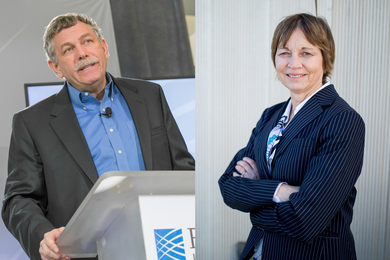
Lander to take a leave of absence to assume Cabinet-level post; Zuber to co-chair presidential advisory council.
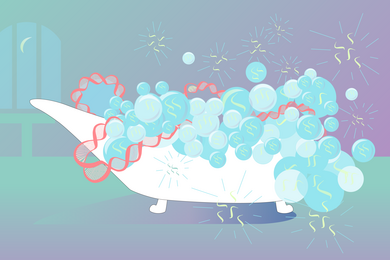
Research suggests the products of transcription — RNA molecules — regulate their own production through a feedback loop.
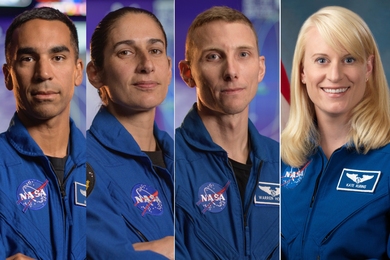
Artemis program will focus on returning humans to the moon.
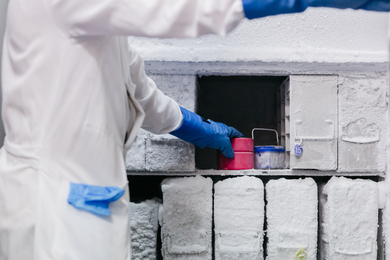
Whitehead Institute and MIT named 2020 Organizational Winners in the fourth annual International Institute for Sustainable Laboratories International Laboratory Freezer Challenge.
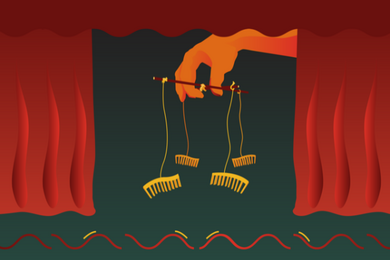
Tiny microRNAs help destroy unwanted messenger RNAs in cells. New research finds how the body keeps them in check.