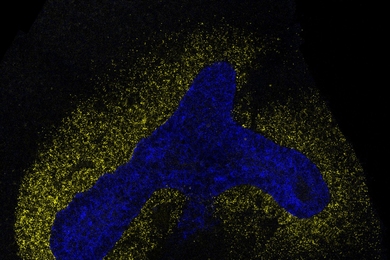
AI model decodes the language cells use to communicate
A new computational approach reveals how cells communicate to assemble into tissues. This could accelerate stem cell engineering, improve disease models, and inform therapies.
A new computational approach reveals how cells communicate to assemble into tissues. This could accelerate stem cell engineering, improve disease models, and inform therapies.
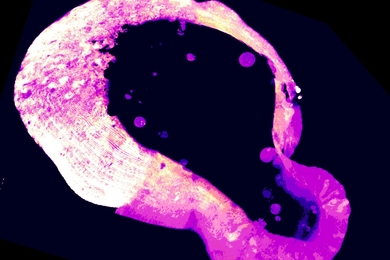
This discovery points toward new combination strategies against cancer, and may explain the iron buildup seen in disorders such as early-onset Parkinson’s disease.
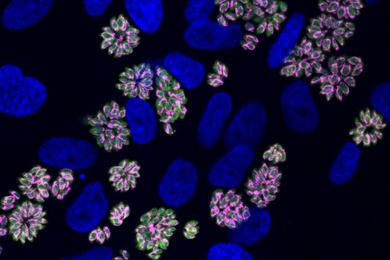
A new study by Whitehead Institute researchers identifies how the widespread parasite Toxoplasma gondii survives in crowded environments in infected cells, which helps it persist in long-lasting brain cysts.
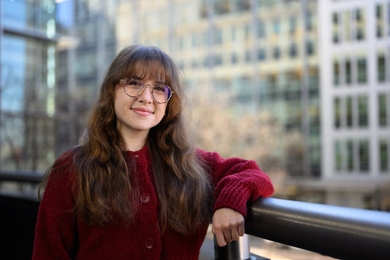
Biology PhD student Giselle Valdes studies stem cell regeneration while encouraging aspiring students and researchers.

Computational neuroscientist Sven Dorkenwald and cell biologist Whitney Henry, along with two MIT alumni, are recognized for their exceptional early-career research contributions.

Researchers uncovered how cells selectively destroy certain microRNAs — key gene regulators — through a mechanism that requires two RNA signals working together.
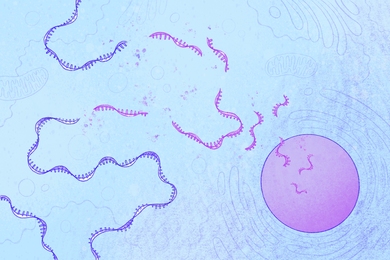
Research reveals how cells may activate a compensation system that can reduce the effects of harmful genetic mutations. This could inform gene therapy development.
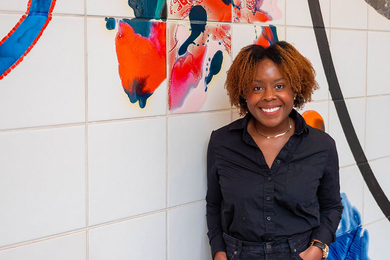
Zuri Sullivan, a new assistant professor of biology and Whitehead Institute member, studies why we get sick, and whether aspects of illness, such as disrupted appetite, contribute to host defense.

Angela Koehler, Iain Cheeseman, and Katharina Ribbeck are shaping the collaborative as a platform for transformative research, translation, and talent development across MIT.
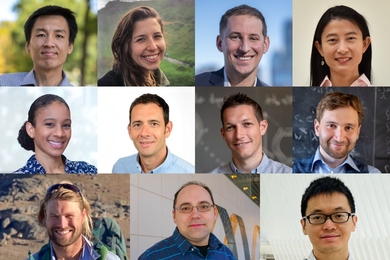
Eleven new professors join the departments of Biology; Brain and Cognitive Sciences; Earth, Atmospheric and Planetary Sciences; Mathematics; and Physics.
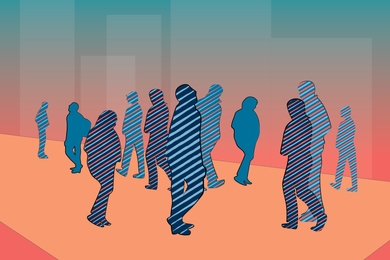
New findings may help researchers identify genetic mutations that contribute to rare diseases, by studying when and how single genes produce multiple versions of proteins.
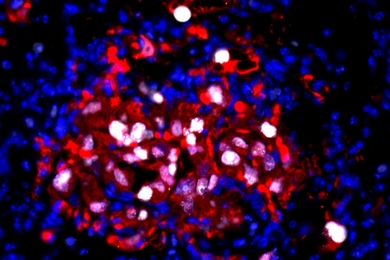
Chemotherapy-induced injury of organ tissue causes inflammation that awakens dormant cancer cells, which may cause new tumors to form.

The longtime MIT professor and Nobel laureate was a globally respected researcher, academic leader, and science policy visionary who guided the careers of generations of scientists.

Researchers developed an approach to study where proteins get made, and characterized proteins produced near mitochondria, gaining potential insights into mitochondrial function and disease.

Researchers developed a tool to recreate cells’ family trees. Comparing cells’ lineages and locations within a tumor provided insights into factors shaping tumor growth.