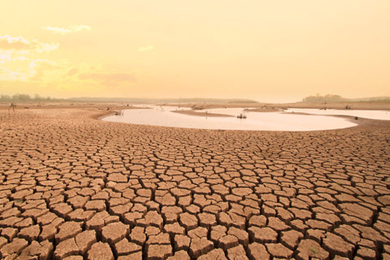
Scientists project increased risk to water supplies in South Africa this century
Study underscores need for aggressive climate mitigation and adaptation policies to prevent future “Day Zero” droughts in dry, populated regions around the world.
Study underscores need for aggressive climate mitigation and adaptation policies to prevent future “Day Zero” droughts in dry, populated regions around the world.
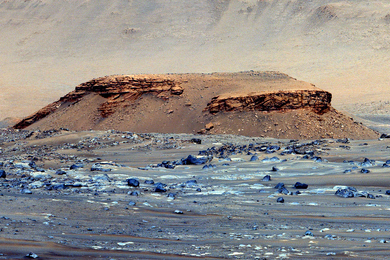
The findings include signs of flash flooding that carried huge boulders downstream into the lakebed.
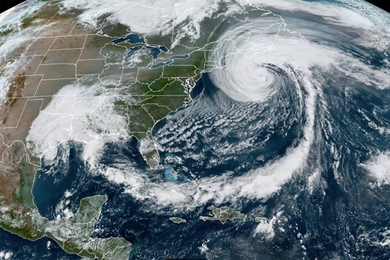
Modeling tool showcases emerging MIT Joint Program research focus on multi-sector dynamics.
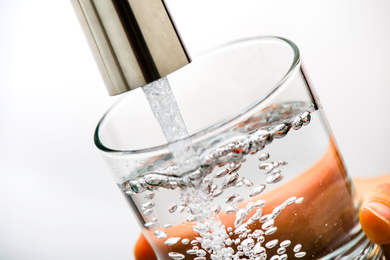
Engineers have designed a relatively low-cost, energy-efficient approach to treating water contaminated with heavy metals.
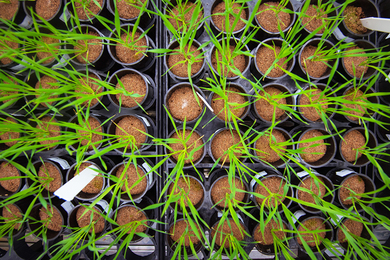
MIT professors Dave Des Marais and Caroline Uhler combine plant biology and machine learning to identify genetic roots of plant responses to environmental stress.
This year’s projects address mobile evaporative vegetable preservation, portable water filtration, and dairy waste reduction.
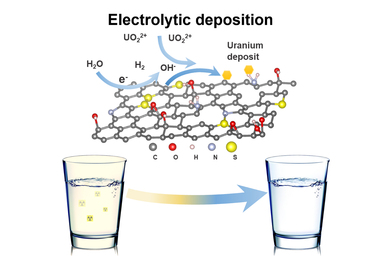
MIT-led research team fashions graphene foam into device that can extract uranium and other heavy metals from tap water.

System could reclaim pure water from power plant cooling towers; at-scale prototypes tested on MIT facilities have proven effective.
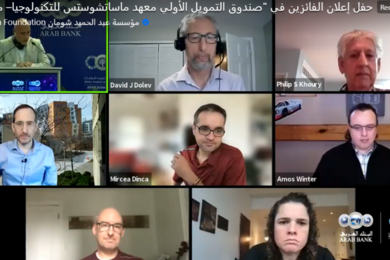
MIT-Jordan Abdul Hameed Shoman Foundation Seed Fund winners announced.
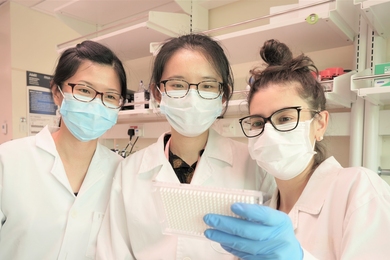
SMART researchers have developed an innovative method to detect and quantify the B.1.1.7 (Alpha) variant of concern via wastewater epidemiology.

A new seed-coating process could facilitate agriculture on marginal arid lands by enabling the seeds to retain any available water.

Merging species conservation and architectural design, graduate student James Brice is studying the sustainable development of public spaces.
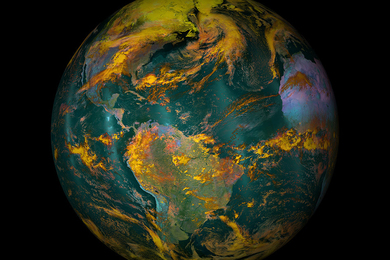
2021 Global Change Outlook from the MIT Joint Program on the Science and Policy of Global Change shows how more aggressive policies can sharply reduce climate risk.
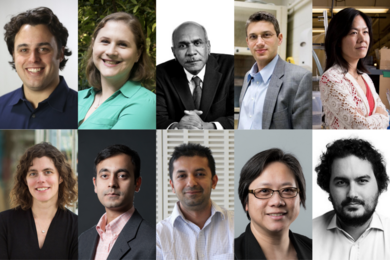
Ten principal investigators from seven MIT departments and labs will receive up to $150,000 for two years, overhead-free, for innovative research on global food and water challenges.

The PhD student focuses on three cities and the role of the arts in helping planning institutions to imagine and plan for possible futures.