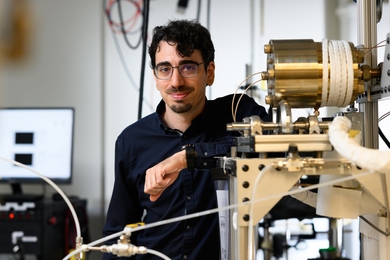
Using classic physical phenomena to solve new problems
Marco Graffiedi, a doctoral student in nuclear science and engineering, is researching quenching processes to help cool nuclear cores, and NASA craft the next generation of space vehicles.
Marco Graffiedi, a doctoral student in nuclear science and engineering, is researching quenching processes to help cool nuclear cores, and NASA craft the next generation of space vehicles.
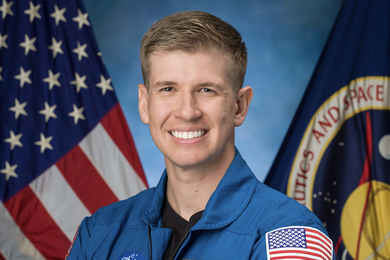
The AeroAstro alumnus, who participated in Air Force ROTC and the Gordon Engineering Leadership Program at MIT, is a test pilot and one of 10 new astronaut candidates selected from around the nation.

MIT students and faculty designed and fabricated a control room for a unique lunar landing mission — an achievement in design and engineering.
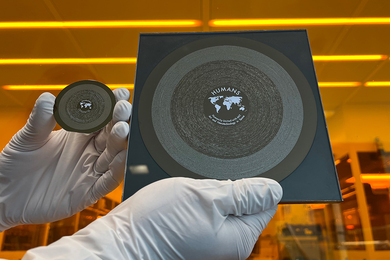
Professor Craig Carter’s precision design for a student-led project now on the moon encodes messages from around the world on a silicon wafer.
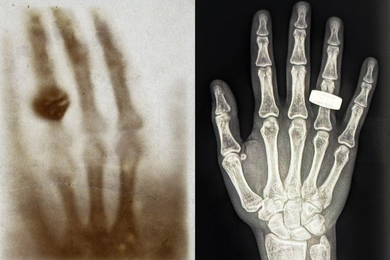
Performed in microgravity, 200 miles above the Earth’s surface, the imaging procedure could help keep astronauts safe and healthy on long-term missions.
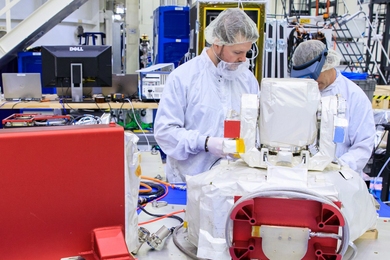
Aboard NASA’s Orion spacecraft, the terminal will beam data over laser links during the first crewed lunar mission since 1972.
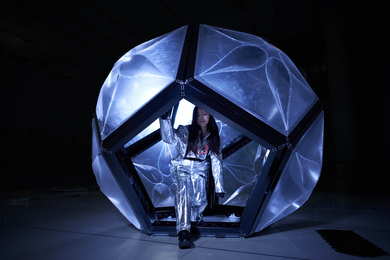
With NASA planning permanent bases in space and on the moon, MIT students develop prototypes for habitats far from planet Earth.
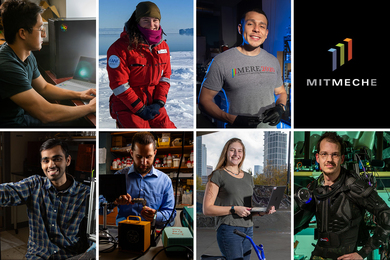
MIT Department of Mechanical Engineering grad students are undertaking a broad range of innovative research projects.
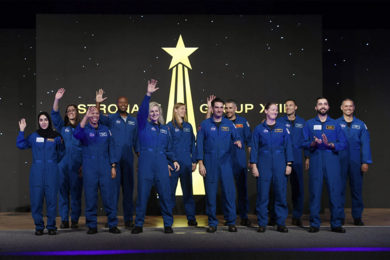
Marcos Berríos ’06, Christina Birch PhD ’15, and Christopher Williams PhD ’12, now eligible for spaceflight assignments, encourage MIT students to apply for the next astronaut class.
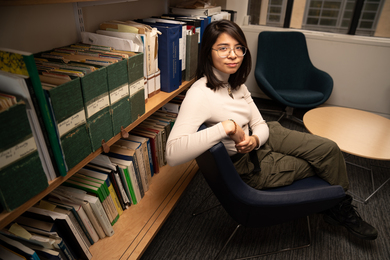
The MIT senior seeks to make spaceflight easier and safer for the human body.
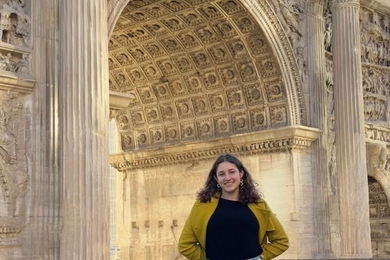
Political science and physics major Leela Fredlund wants to ensure fairness and justice prevail in humanity's leap into space.
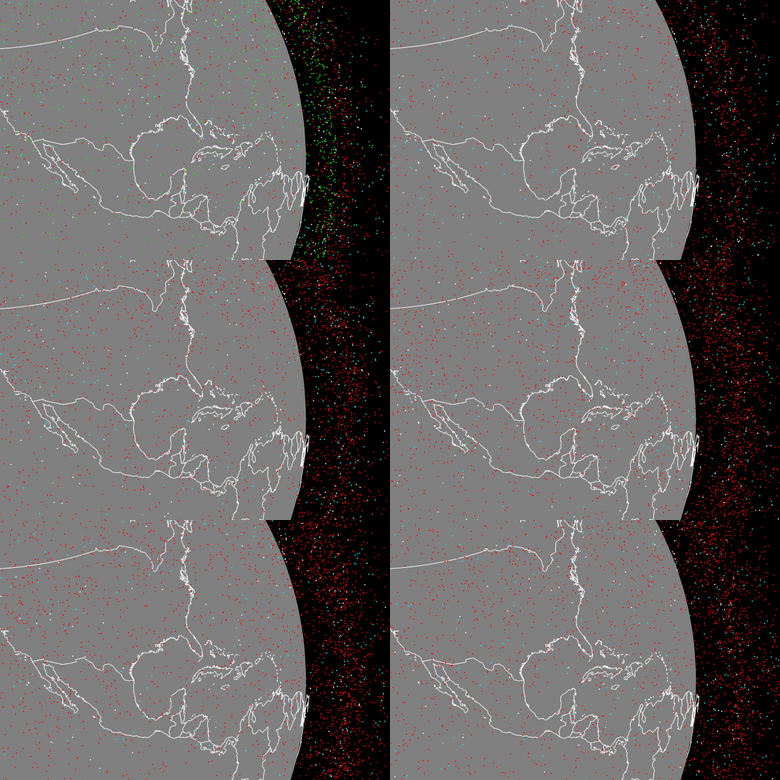
The MIT Orbital Capacity Assessment Tool lets users model the long-term future space environment.
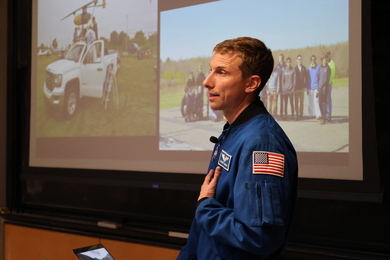
Astronaut Woody Hoburg ’08 shares insights and advice with students in his first visit to campus since joining NASA.
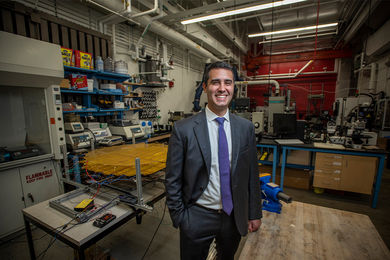
Zack Cordero’s research focuses on extending the lifespan of reusable rockets, while simultaneously reducing the risk of catastrophic failure.
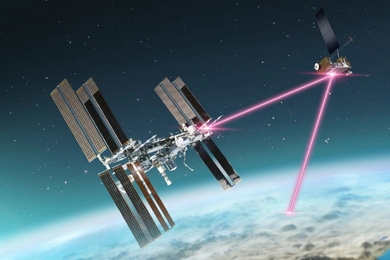
This laser communications terminal, developed at Lincoln Laboratory, aims to transmit data at high rates from the ISS to ground stations via NASA’s first two-way laser communications relay system.