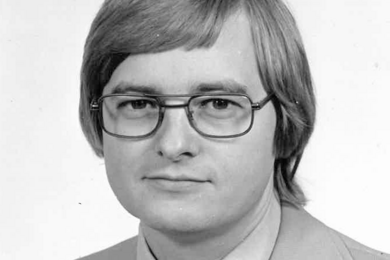
Gunter Stein, control systems and theory expert, dies at 84
Longtime EECS adjunct professor and LIDS researcher was known for an influential essay on the need for engineers to “respect the unstable.”
Longtime EECS adjunct professor and LIDS researcher was known for an influential essay on the need for engineers to “respect the unstable.”
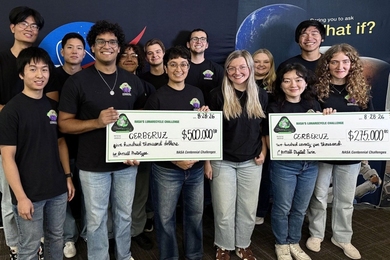
The team took first prize in both the Prototype and Digital Twin tracks for its lunar waste recycling system.
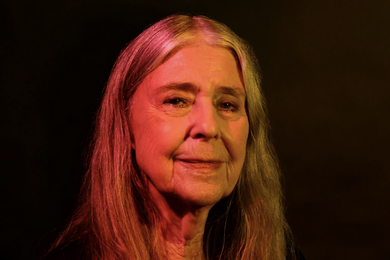
Over two decades at MIT, Hamilton forged new paths in computer science and engineering. Her groundbreaking work included leading the team that programmed the first computers that took humans to the moon.
An industry report published by students in an MIT aerospace entrepreneurship class lays out guidance for aspiring space leaders and investors.
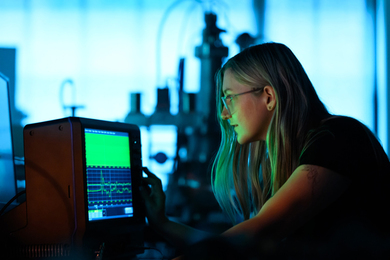
PhD candidate Lanie McKinney is building technology to convert the Red Planet’s atmosphere into propellant for bringing astronauts home.
A new online platform helps engineers look beyond survival mode when designing habitats for extreme living conditions.
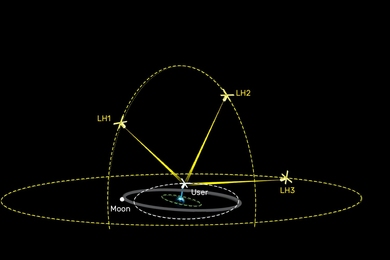
Acting as cooperative optical beacons, the satellites could provide GPS-like navigation and communications support for spacecraft operating across cislunar space.
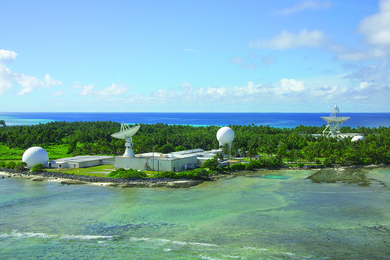
Members of the laboratory community reflect on technology impacts that shaped the United States and the world over the past 75 years.
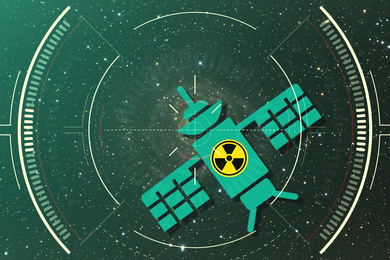
The 1967 Outer Space Treaty bans nuclear weapons in space, but there’s currently no way to verify that satellites aren’t carrying them.
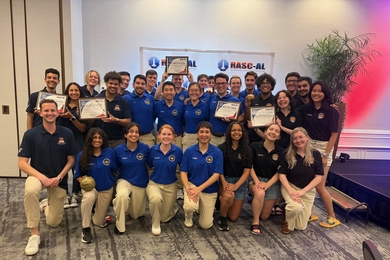
Three MIT teams took five top awards in the 2026 NASA RASC-AL Competition for designing critical elements for the moon base and future missions to Mars.
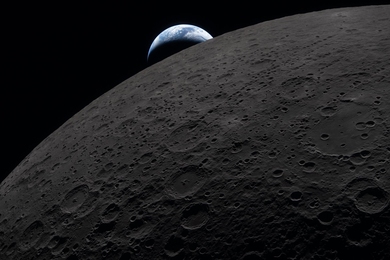
This first use of laser communications on a crewed mission at lunar distance was a foundational step to establishing a high-speed internet in deep space.
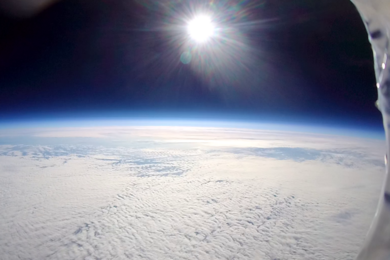
MIT students see the Earth's curvature in reborn AeroAstro intro course.
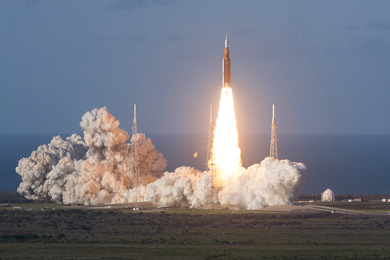
High-definition video and data sent from the lunar vicinity to Earth will demonstrate the first use of laser communications on a crewed mission.
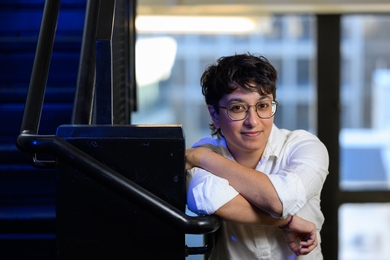
Using boron nitride nanotubes, mechanical engineering doctoral student Palak Patel develops materials for space that block dangerous ionizing radiation.

Master's student Taylor Hampson is modeling the behavior of an unconventional rocket engine that will heat propellant using nuclear energy.