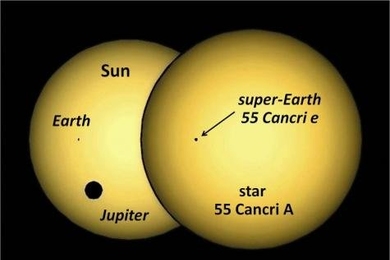
Stellar eclipse gives glimpse of exoplanet
New data reveals a ‘super-Earth’ next door, astronomically speaking
New data reveals a ‘super-Earth’ next door, astronomically speaking
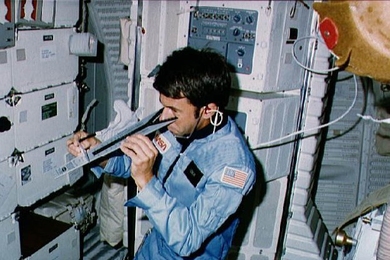
MIT has contributed 27 alumni-astronauts, plenty of earthbound expertise.
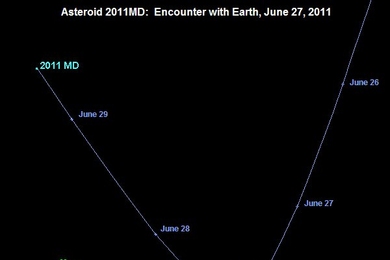
'2011 MD,' found by a Lincoln Lab team, will pass close to the planet on Monday.
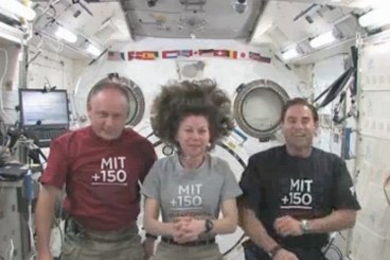
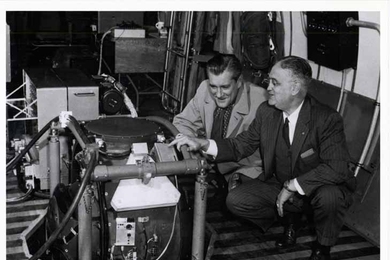
A letter written by Charles Stark Draper in 1961 hitches a ride on Space Shuttle Endeavour.
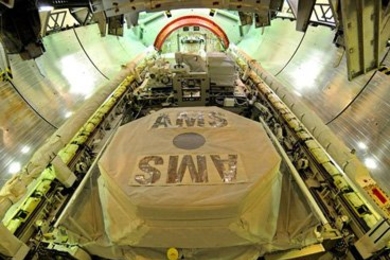
Space shuttle propels MIT-led Alpha Magnetic Spectrometer to the International Space Station.
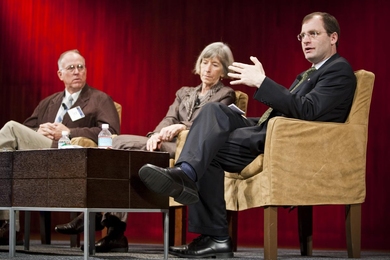
From deep space to deep sea, two-day symposium examined MIT’s impacts and innovations.
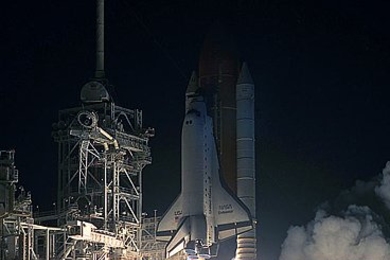
Anniversary of the first shuttle flight comes just as it nears retirement, but the vehicle has changed space travel dramatically.
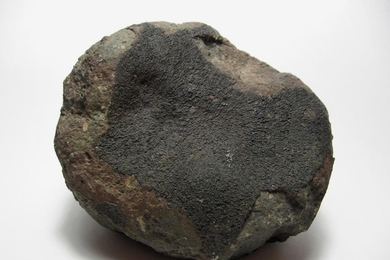
Partially molten small bodies may be abundant in space, and may have given the Earth its oceans.
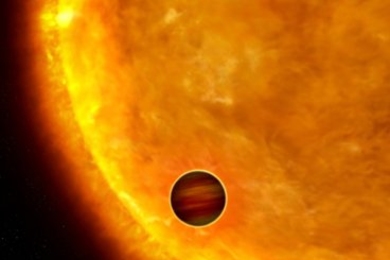
How astronomers learn whether a planet is habitable by observing slight changes in light emanating from its parent star.
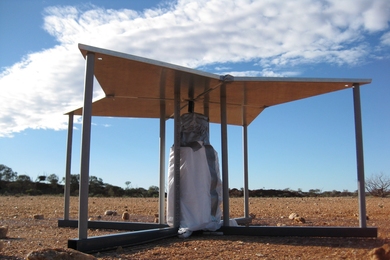
Astronomers probe ancient radio waves for clues about the universe’s first light.
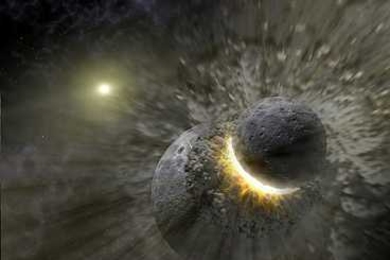
NASA team suggests that massive projectiles added mass to Earth, Mars and the Moon during final phase of planet formation

Now that an Earthlike planet has been discovered, the key to confirming that it can host life will be to study its atmosphere in detail
By studying how massive planets may have formed, MIT astrophysicist sets the stage for studying smaller, more Earthlike planets.
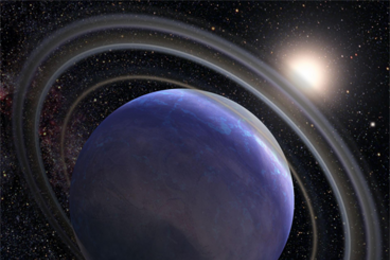
MIT researchers increase their odds of detecting an Earthlike planet by working on a combination of satellite missions.