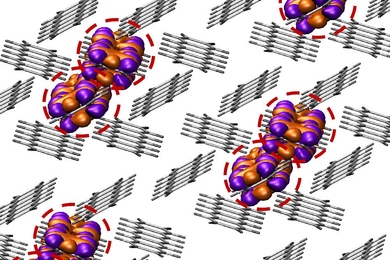
Experiments show dramatic increase in solar cell output
Method for collecting two electrons from each photon could break through theoretical solar-cell efficiency limit.
Method for collecting two electrons from each photon could break through theoretical solar-cell efficiency limit.
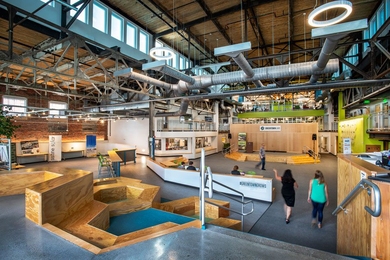
The incubator’s winding journey to success helped its startup community grow closer while addressing environmental challenges.
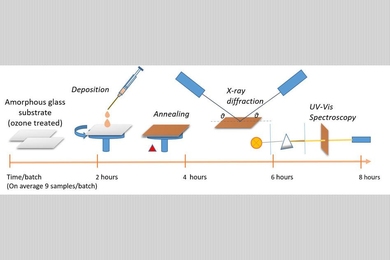
Streamlined system for creating and analyzing perovskite compounds may cut development time from 20 years to two.

MRL Materials Research Science and Engineering Center encourages studies in science, engineering, and technology.

Student-run event spans energy policy, carbon pricing, storage technologies, and the rise of renewables.

New results show how varying the recipe could bring these materials closer to commercialization.
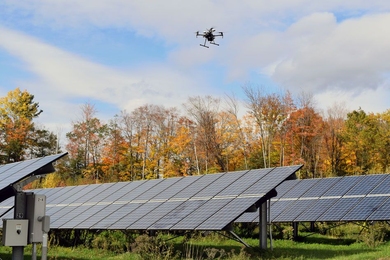
MIT spinoff Raptor Maps uses machine-learning software to improve the maintenance of solar panels.
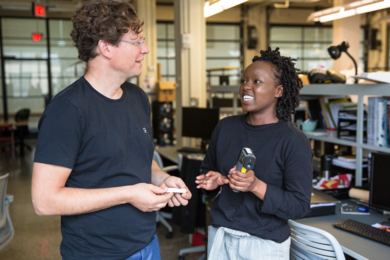
Christoph Reinhart is internationally known for using natural light to illuminate interiors and his lab's design tools are used by architects and urban planners worldwide.
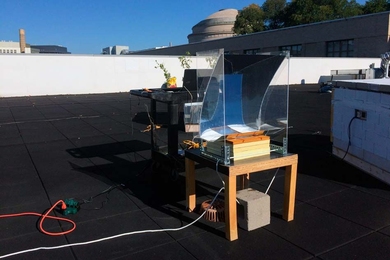
High-temperature steam might be used in remote regions to cook, clean, or sterilize medical equipment.
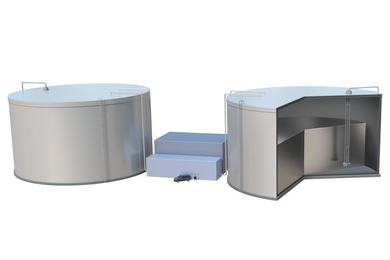
Design for system that provides solar- or wind-generated power on demand should be cheaper than other leading options.
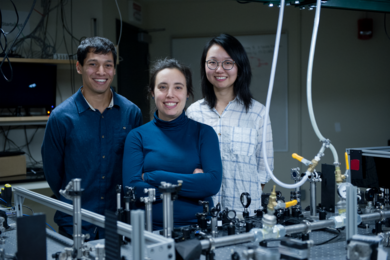
Studies of how photoprotection works at the molecular level may provide a pathway to more biomass and crops.
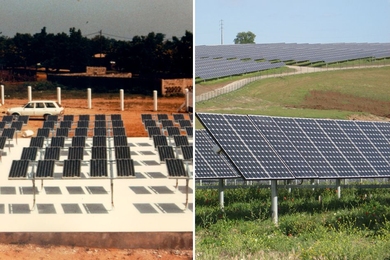
Researchers uncover the factors that have caused photovoltaic module costs to drop by 99 percent.
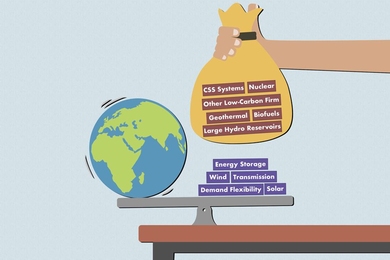
To curb greenhouse gas emissions, nations, states, and cities should aim for a mix of fuel-saving, flexible, and highly reliable sources.

Study finds lost revenue can be millions of dollars annually, suggests ways to quantify haze-related reductions in solar panel output.
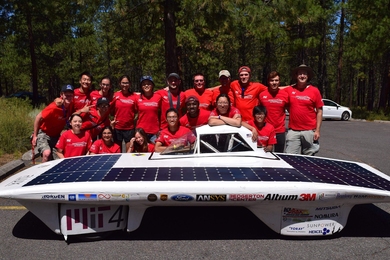
MIT Solar Electrical Vehicle Team takes 5th place in nine-day challenge, which traversed the Oregon Trail from Omaha, Nebraska to Bend, Oregon.