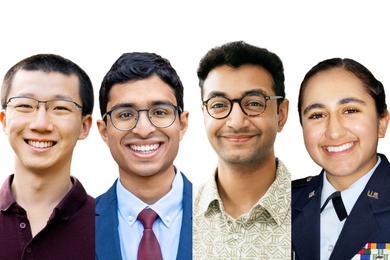
Four from MIT awarded 2025 Paul and Daisy Soros Fellowships for New Americans
Fellowship honors contributions of immigrants to American society by awarding $90,000 in funding for graduate studies.
Fellowship honors contributions of immigrants to American society by awarding $90,000 in funding for graduate studies.

New research on a cytokine called IL-17 adds to growing evidence that immune molecules can influence behavior during illness.

Upending a long-held supposition, MIT researchers find a common catalyst works by cycling between two different forms.

The fellowship supports research contributing to the field of planetary science and astronomy.
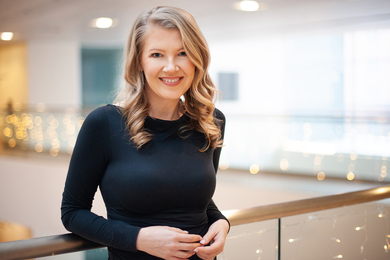
Associate Professor Evelina Fedorenko is working to decipher the internal structure and functions of the brain’s language-processing machinery.
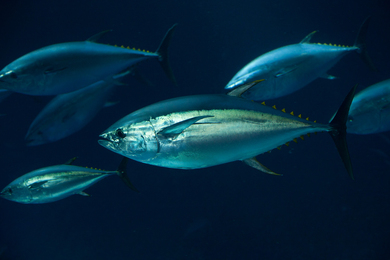
These big fish get most of their food from the ocean’s “twilight zone,” a deep, dark region the commercial fishing industry is eyeing with interest.
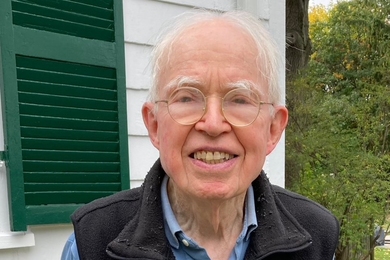
The physical organic chemist and MIT professor for over 40 years is celebrated for his lasting impact on generations of chemists.
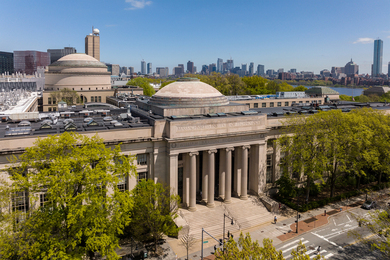
The MIT-GE Vernova Energy and Climate Alliance includes research, education, and career opportunities across the Institute.
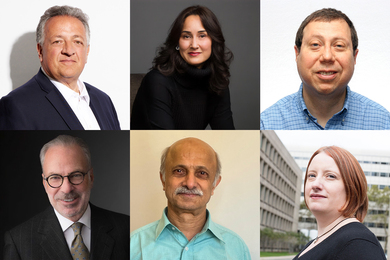
The American Association for the Advancement of Science recognizes six current affiliates and 27 additional MIT alumni for their efforts to advance science and related fields.
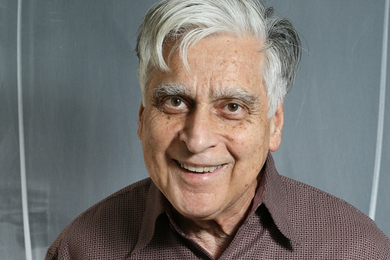
On the physics faculty for nearly 40 years and a member of the Center for Theoretical Physics, he focused on the interactions of hadrons and developed an R-matrix formulation of scattering theory.

The findings could help planners design safer, more efficient pedestrian thoroughfares.
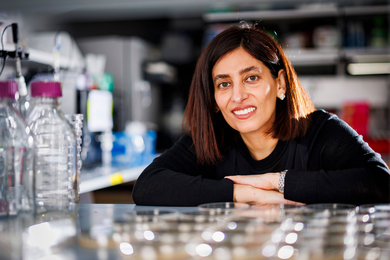
The research may enable the design of synthetic, light-activated cells for wound healing or drug delivery.
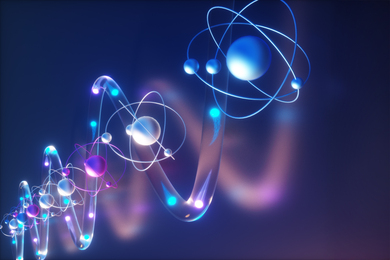
MIT researchers developed a photon-shuttling “interconnect” that can facilitate remote entanglement, a key step toward a practical quantum computer.
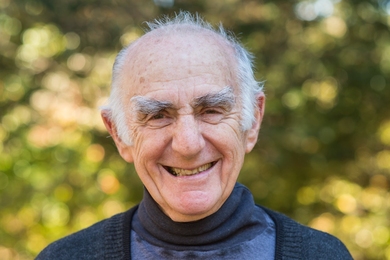
An MIT faculty member for 40 years, Grodzins performed groundbreaking studies of the weak interaction, led in detection technology, and co-founded the Union of Concerned Scientists.
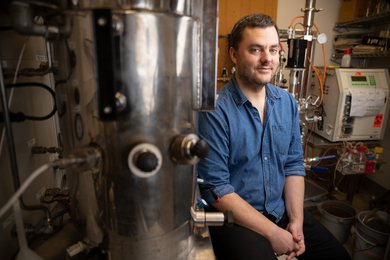
By studying cellular enzymes that perform difficult reactions, MIT chemist Dan Suess hopes to find new solutions to global energy challenges.