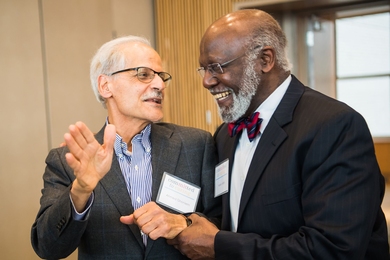
Celebrating great mentorship for graduate students
MIT’s Committed to Caring Award selects third slate of dedicated professors.
MIT’s Committed to Caring Award selects third slate of dedicated professors.
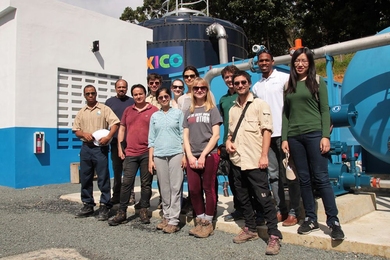
Class visit to St. Lucia helps teach cutting-edge geophysics techniques while locating drinking water for those in need.

A 4 percent reduction per year in carbon dioxide emissions should net $339 billion in health savings in 2030, researchers estimate.
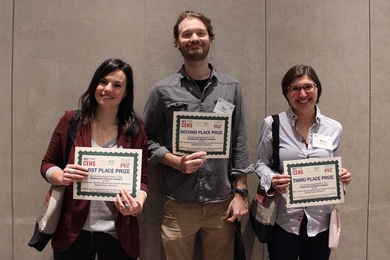
Annual poster session showcases recent work on biological effects of exposure to environmental agents.
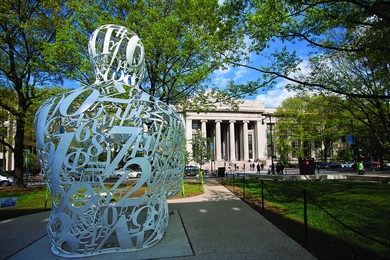
Interdisciplinary doctoral program in statistics and online MicroMasters program in statistics and data science begin this fall.
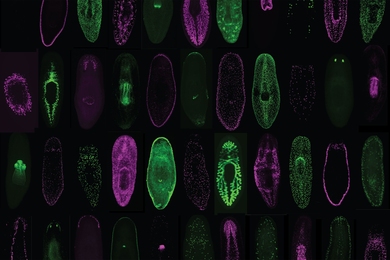
Whitehead team analyzes transcriptomes for roughly 70,000 cells in planarians, creates publicly available database to drive further research.
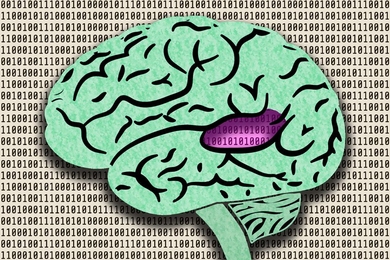
Neuroscientists train a deep neural network to analyze speech and music.
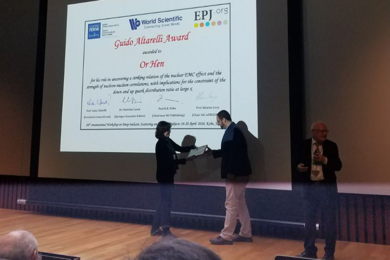
Assistant professor of physics and Laboratory for Nuclear Science researcher recognized for major contributions to high energy and nuclear physics.
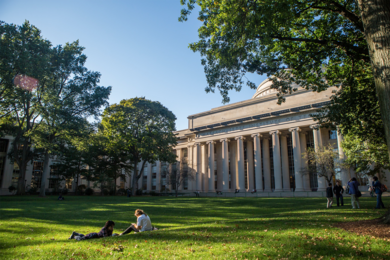
Prestigious honor society announces 213 new members this year.
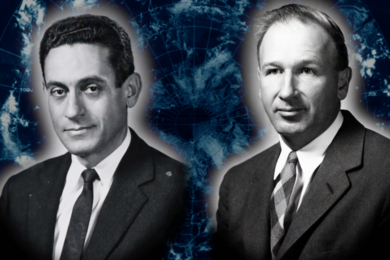
Department of Earth, Atmospheric and Planetary Sciences honors trailblazing professors Jule Charney and Edward Lorenz with a tribute to their lives and legacies.
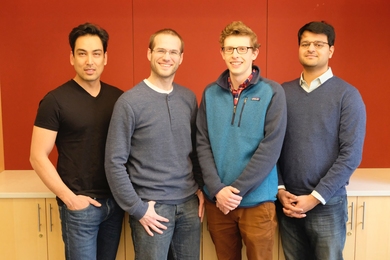
New fellowship program honoring trailblazing Nobel laureate awards four MIT postdocs focused on drug discovery and development.

Award honors immigrants’ contributions to the United States.
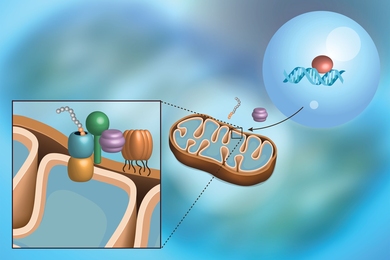
Scientists discover a pathway that monitors a protein import into mitochondria and elicits a cellular response when the process goes awry.
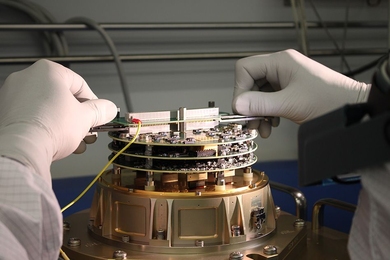
Satellite developed by MIT aims to discover thousands of nearby exoplanets, including at least 50 Earth-sized ones.

Two MIT computer science and molecular biology majors honored for their academic achievements.