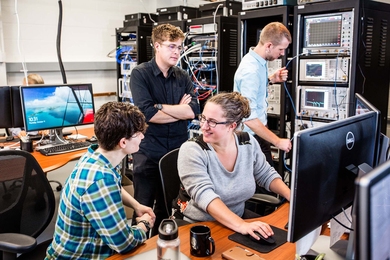
Q&A: The talent shortage in quantum computing
William Oliver says a lack of available quantum scientists and engineers may be an inhibitor of the technology’s growth.
William Oliver says a lack of available quantum scientists and engineers may be an inhibitor of the technology’s growth.
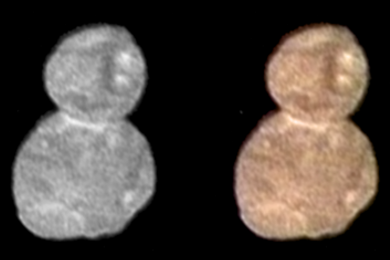
New Horizons Mission Team members Alissa Earle and Richard Binzel discuss the revelations the icy world provides about the formation of our solar system.
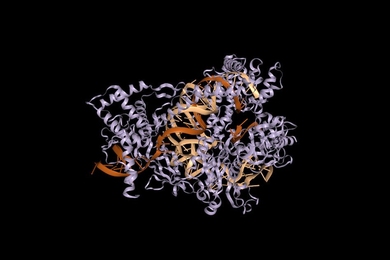
CRISPR team harnesses new Cas12b enzyme for use in eukaryotic cells, adding to the CRISPR toolbox.
Institute Professor honored for discovering Prochlorococcus, the most abundant photosynthesizing organism on Earth.
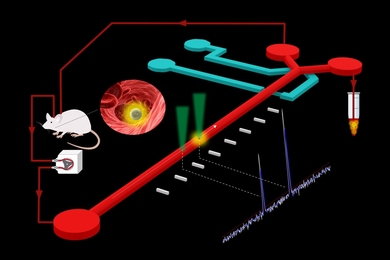
New platform enables longitudinal studies of circulating tumor cells in mouse models of cancer.
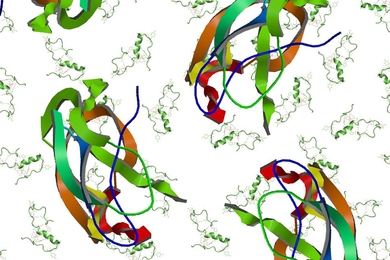
Technique could yield insights into complex proteins involved in Alzheimer’s and other diseases.
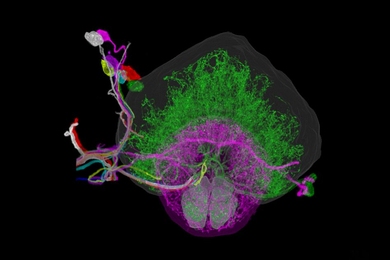
New 3-D imaging technique can reveal, much more quickly than other methods, how neurons connect throughout the brain.
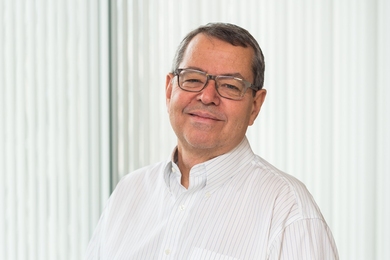
Honor shared with John Hartwig of the University of California at Berkeley for their development of a process to improve the synthesis of large organic molecules.
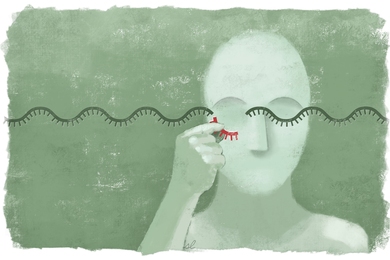
Whitehead Institute researchers uncover a group of introns in yeast that possess surprising stability and function.
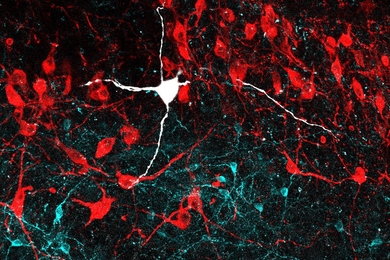
Research by neuroscientists at MIT’s Picower Institute for Learning and Memory helps explain how the brain regulates arousal.

Tool for nonstatisticians automatically generates models that glean insights from complex datasets.
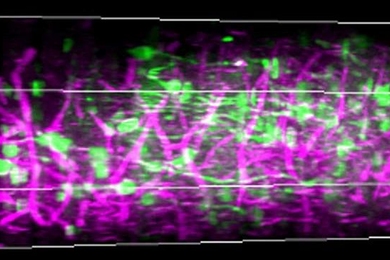
Substantial refinements of three-photon microscopy allow for novel discoveries in neuroscience.
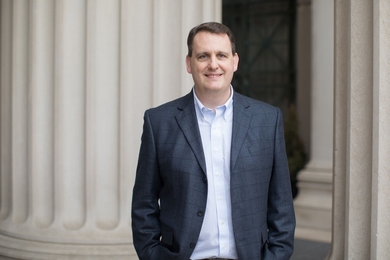
An expert in instrumentation and early universe observations, Simcoe succeeds Jacqueline Hewitt as head of MIT’s Kavli Institute for Astrophysics and Space Research.

Pulse pattern suggests distant black hole must be spinning at least at 50 percent the speed of light.
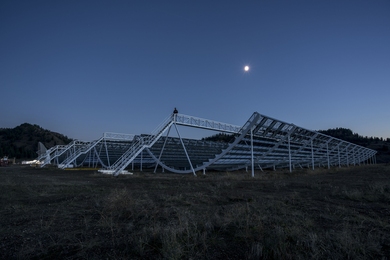
Researchers use CHIME telescope to detect fast radio bursts at low frequencies and a second repeating burst.