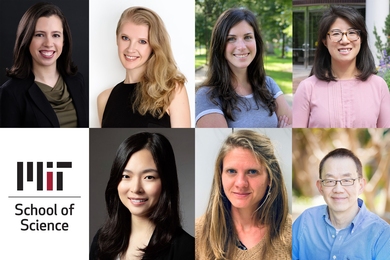
New faces in the School of Science faculty
Departments of Biology, Brain and Cognitive Sciences, Chemistry, and Physics welcome new faculty members.
Departments of Biology, Brain and Cognitive Sciences, Chemistry, and Physics welcome new faculty members.
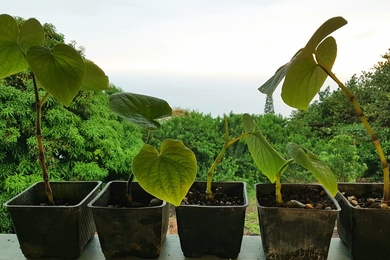
Researchers solve how the kava plant produces its pain-relieving and anti-anxiety molecules, demonstrate an extensible method to scale and optimize production.

Differences in male and female gene expression, including those contributing to height differences, found throughout the body in humans and other mammals.

From making the lunar landings possible to interpreting the meaning of the moon rocks, the Institute was a vital part of history.
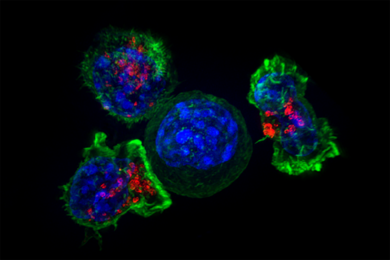
A new dosing regimen for an old cancer drug shows new promise as an immunotherapy.

Neuroscientists find brain activity patterns that encode our beliefs and affect how we interpret the world around us.
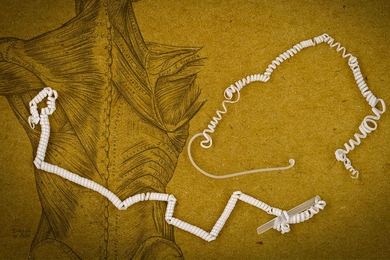
New MIT system of contracting fibers could be a boon for biomedical devices and robotics.
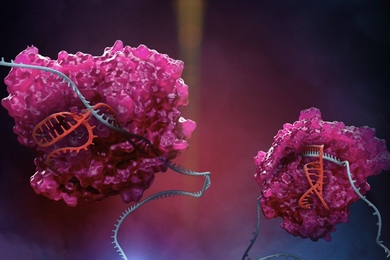
The new system, dubbed RESCUE, allows RNA edits to be made that were not previously possible.
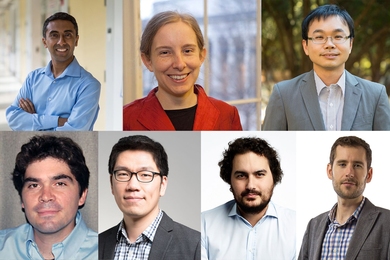
Checkelsky, Chung, LeBeau, Lee, Marelli, Slatyer, and Surendranath receive the highest U.S. award for young scientists and engineers.
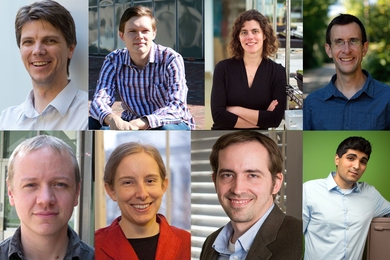
Eight faculty members are granted tenure in five science departments.
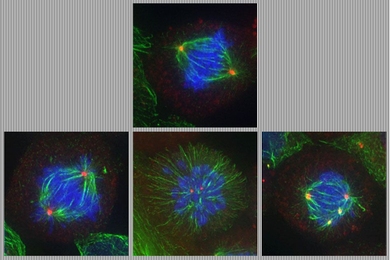
Two drugs that block cell division synergize to kill tumor cells.

Carbon dioxide emissions may trigger a reflex in the carbon cycle, with devastating consequences, study finds.
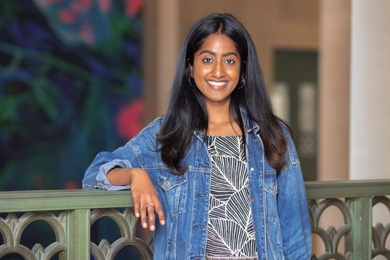
Recent graduate says culturally-aware approaches lead to more-effective medical interventions.
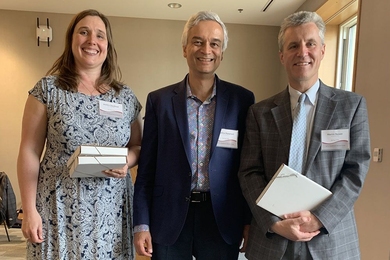
Educators recognized for improving classroom instruction and student engagement through innovative uses of digital technology.
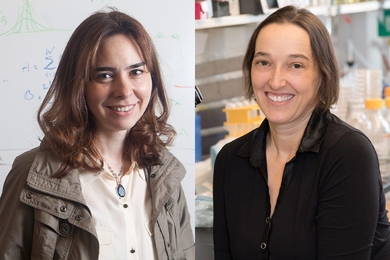
MIT biologist and electrical engineer are two of 38 naturalized U.S. citizens honored for contributions to American society.