Probing reality through physics, philosophy, and writing
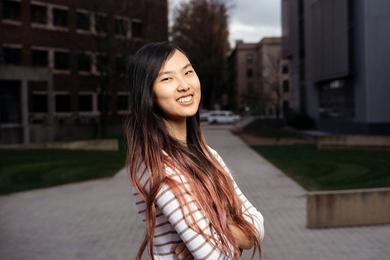
Senior Michelle Xu’s varied interests all involve a desire to understand the universe. “I was just never particularly picky about which way to figure it out,” she says.
Senior Michelle Xu’s varied interests all involve a desire to understand the universe. “I was just never particularly picky about which way to figure it out,” she says.

In the Maldives, an MIT team is conducting experiments to combat sea-level rise by redirecting natural sand movement.
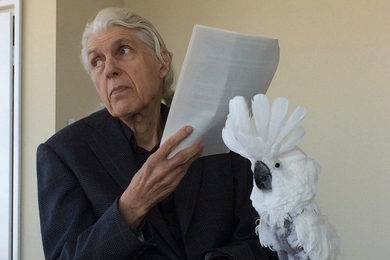
Organic chemist and MIT professor for over 40 years was “a sui generis Renaissance man.”
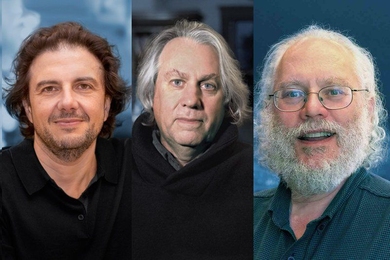
Laureates recognized for contributions to climate change, biomedicine, and quantum cryptography.
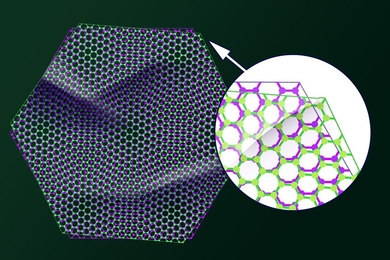
Results could help designers engineer high-temperature superconductors and quantum computing devices.
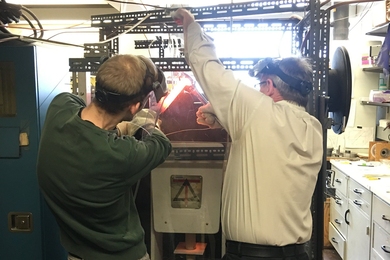
MIT scientists identify first magmas generated in solar system’s building blocks, unexpectedly answering questions about meteorites and formation of rocky planets.
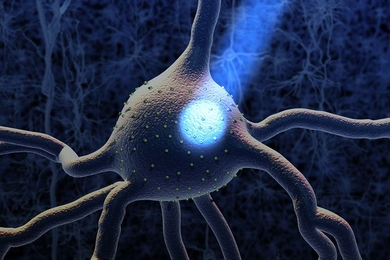
The Feng lab has developed a next-generation optogenetic system for non-invasive stimulation of neurons.
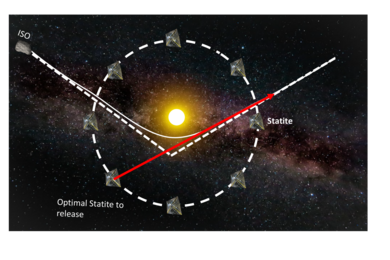
MIT research proposal for rendezvous missions with interstellar objects selected for NASA Innovative Advanced Concepts Program.

Professor of atmospheric science honored for his work on atmospheric physics and dynamics of tropical weather patterns.
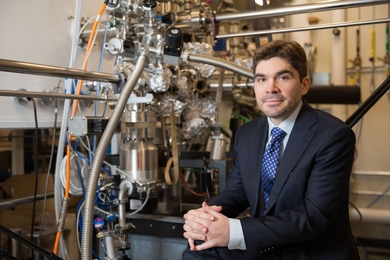
Associate Professor Joseph Checkelsky wins $1.7 million Emergent Phenomena in Quantum Systems Initiative grant to pursue search for new crystalline materials.
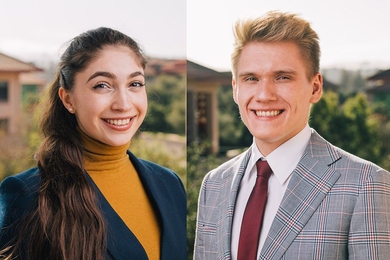
Seniors will receive full funding for graduate studies at Stanford University.
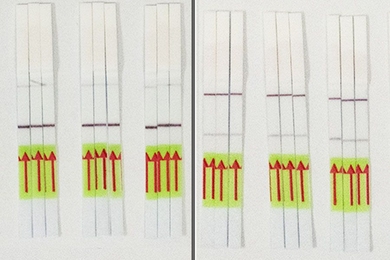
New CRISPR-based research tool delivers results in an hour; researchers share protocol and kits to advance research and move toward clinical validation.
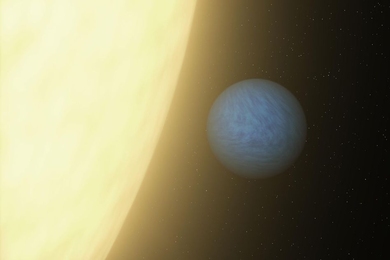
When searching for extraterrestrial life, astronomers may want to look at planets with hydrogen-rich atmospheres.
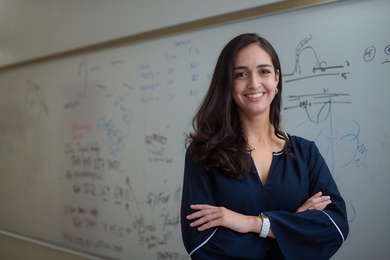
Postdoc Izabella Pena uses social media to combat the infodemic about the Covid-19 pandemic.
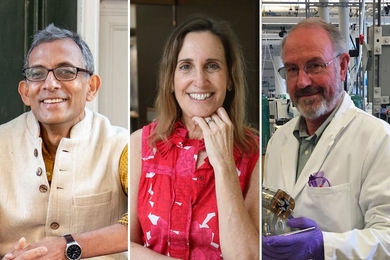
Faculty members Abhijit Banerjee, Bonnie Berger, and Roger Summons elected by peers for outstanding contributions to research.