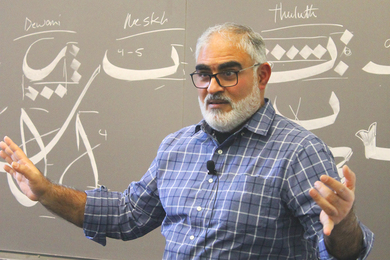
At MIT, learning about the language, history, and art of Arabic
Calligrapher Hajj Wafaa shares insights about his craft while MIT Global Languages announces the arrival of Arabic classes.
Download RSS feed: News Articles / In the Media / Audio
Calligrapher Hajj Wafaa shares insights about his craft while MIT Global Languages announces the arrival of Arabic classes.
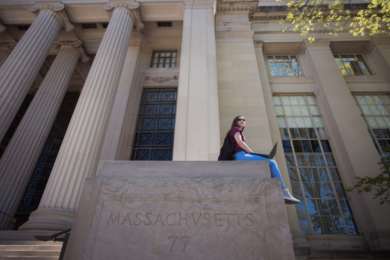
MIT community members made headlines around the world for their innovative approaches to addressing problems local and global.
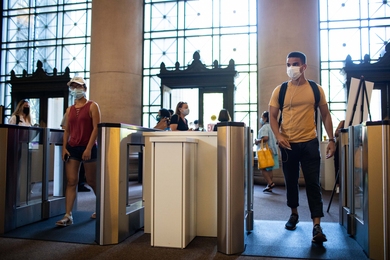
Top Institute stories dealt with the return to campus and continued response to Covid-19, MIT’s commitments to climate action, its support of a diverse community, and more.
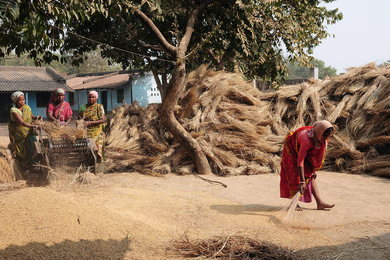
MIT field experiment from India finds a one-time economic boost helps the very poor fare better for at least a decade.

The year’s popular research stories include a promising new approach to cancer immunotherapy, the confirmation of a 50-year-old theorem, and a major fusion breakthrough.
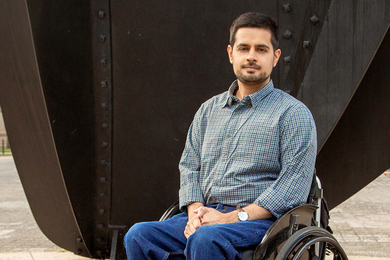
HASTS PhD student Rijul Kochhar tracks changing medical and microbial realities, and examines what they portend for society.
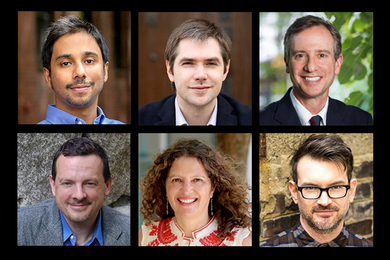
A cultural anthropologist, historians, a computational poet/computer artist, and a playwright receive funding for innovative research projects.

Five new state and local government partners will work with J-PAL North America to develop rigorous evaluations of policies and programs related to environment, education, economic security, and housing stability.

Professor Edward Schiappa’s new book carefully surveys recent public debates about a vital societal issue.
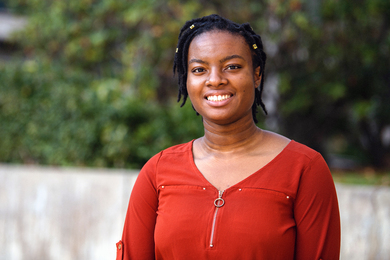
Senior Stacy Godfreey-Igwe seeks to make marginalized communities more visible in the fight against climate change.
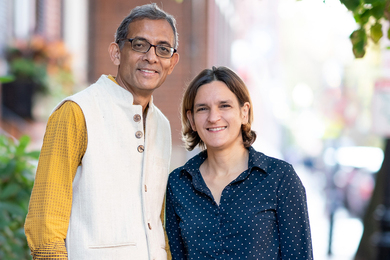
In 14.009, a first-year class taught by Nobel laureates, MIT students discover how economics helps solve major societal problems.

SENSE.nano symposium highlights the importance of sensing technologies in medical studies.

The MIT spinout has been releasing iconic video games for more than 25 years.
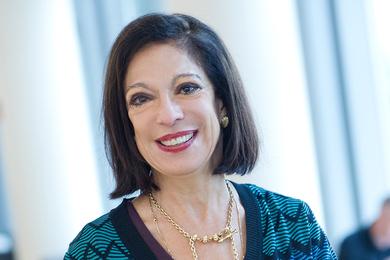
Political scientist Nazli Choucri discusses challenges and hopes for global coordination on climate issues — and the role of political science in the process.
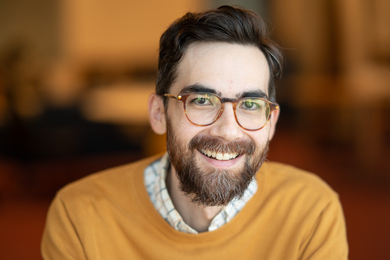
MIT philosopher Justin Khoo explores tensions in the ways we use language, seek truth, and communicate about the world.