The effects of an “algorithmic monoculture” depend on the details
In a study focusing on hiring decisions, MIT researchers found the use of a single algorithm by many firms could benefit job seekers in certain situations.
Download RSS feed: News Articles / In the Media / Audio
In a study focusing on hiring decisions, MIT researchers found the use of a single algorithm by many firms could benefit job seekers in certain situations.
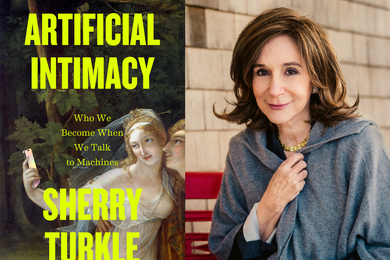
Professor Sherry Turkle’s new book, “Artificial Intimacy,” offers a withering critique of chatbots and the antisocial dynamics she believes they encourage.
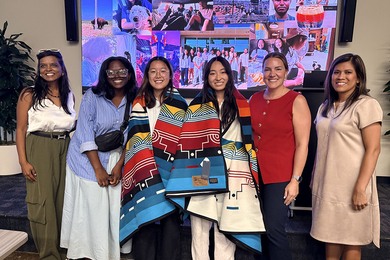
The PKG Center for Social Impact expands Code.Tulsa experiential learning program.
The Institute’s undergraduate engineering, computer science, and economics programs are No. 1; its business program is No. 2.
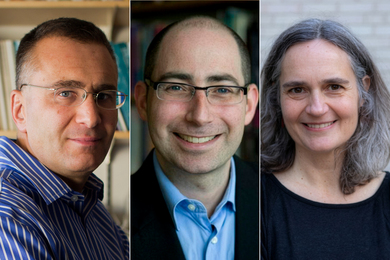
Established after World War II, the School of the Humanities, Arts, and Social Sciences is an integral part of the MIT experience. Three faculty reflect on the school’s ongoing impact.
A new focus on fiction and memoir aims to help the MIT community celebrate the power of storytelling and strengthen social connection.
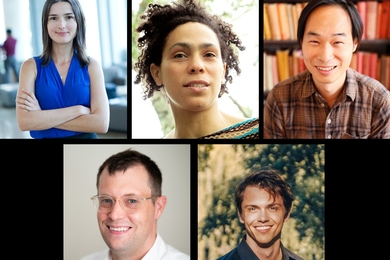
Faculty members granted tenure in Comparative Media Studies/Writing, Economics, Political Science, and Theater.
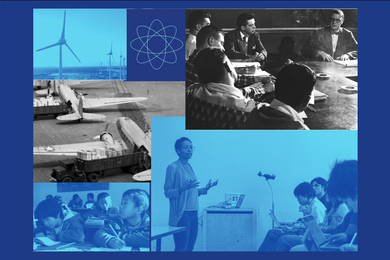
For 75 years, the Center for International Studies has brought together social scientists, engineers, and practitioners to understand global change, shape public debate, and address generational challenges.
Naoki Egami has become a standout in political methodology, helping refine tools that give scholars durable results.

MIT anthropologist Chris Walley developed a project for people in Southeast Chicago to tell their histories — an approach any community can adopt.
Graduate student Lyonel Tanganco investigates how to improve public policy interventions and address challenges in nutrition, climate, and development.
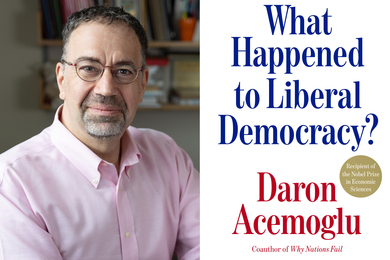
Deindustrialization didn’t only hurt some workers, Daron Acemoglu says in a new book; it shrank the coalition supporting democracy, which needs expanding.
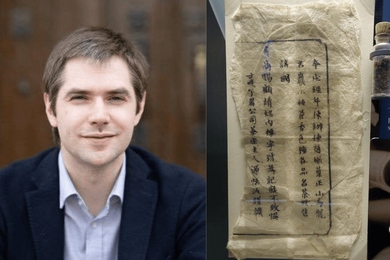
MIT historian Tristan Brown uncovers the true origins of an artifact once thought to be a relic of the Boston Tea Party.
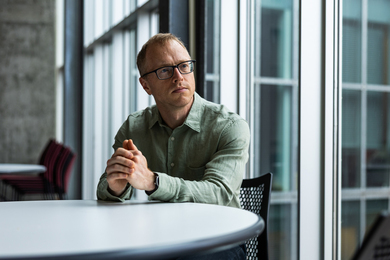
Philosopher Brian Hedden studies decision-making over time — and recently chose to return to alma mater MIT, where he is now connecting ethics and computing.
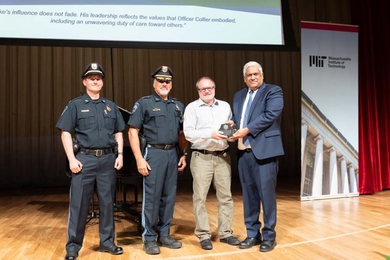
The MIT community celebrated the talent, dedication, and impact of its staff.