
Walter Torous named executive director of MIT Center for Real Estate
The senior lecturer, already director of the degree program, will now oversee all aspects of the center’s activities and operations.
The senior lecturer, already director of the degree program, will now oversee all aspects of the center’s activities and operations.
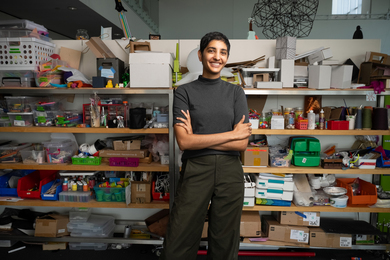
The PhD student works to give young people an active role in shaping digital technologies that can support their own well-being.
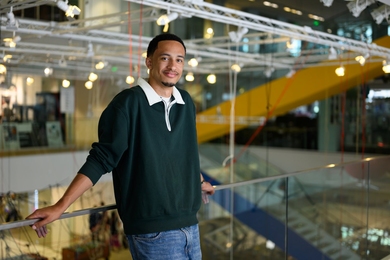
MIT senior Kayode Dada has a passion for designing games, and a penchant for building community.
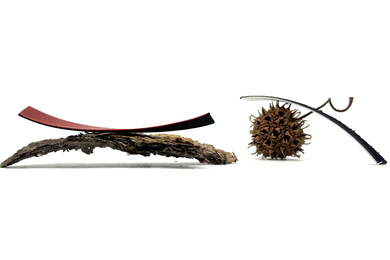
The new framework could streamline the design process of robotic grippers or aerospace components that exhibit complex behaviors found in nature.
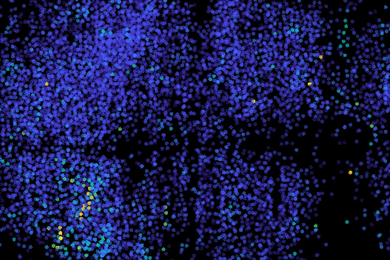
The new technique could help scientists learn how the entire brain works to generate decisions and emotions.
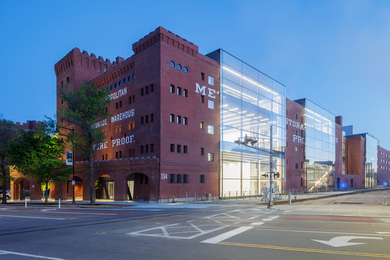
In a feat of adaptive reuse, a massive, century-old brick storage facility has been turned into a contemporary hub for collaboration and creative work.
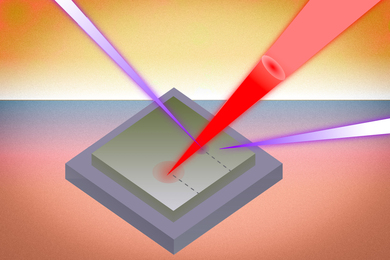
MIT researchers can now precisely measure how heat moves through multilayered materials like computer chips.
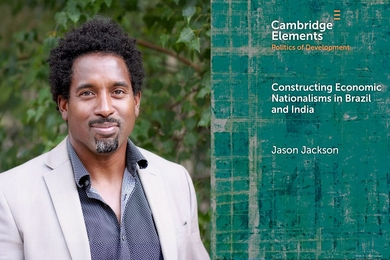
DUSP Associate Professor Jason Jackson’s latest book compares how two countries chose radically different paths to economic independence.
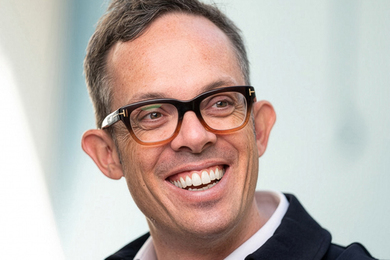
Nicholas de Monchaux reflects on guiding the MIT Department of Architecture through a period of dramatic change for the profession.
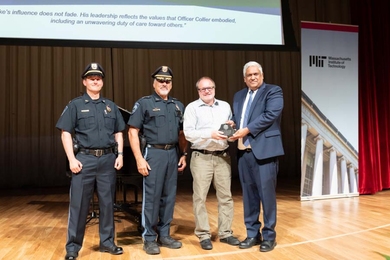
The MIT community celebrated the talent, dedication, and impact of its staff.
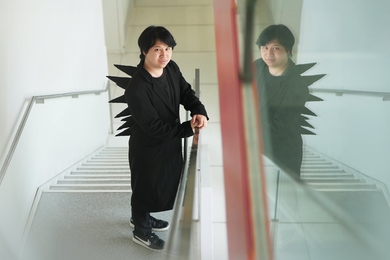
Assistant Professor Pat Pataranutaporn describes a new interface that lets everyday users glimpse inside an AI's neural network before their chatbot ever says a word.
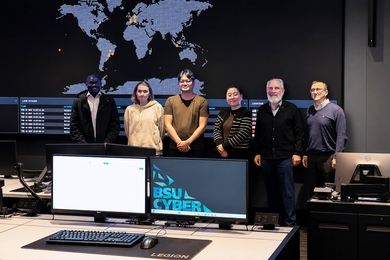
Students from the MIT Cybersecurity Clinic help local governments and other vulnerable organizations defend against digital threats.
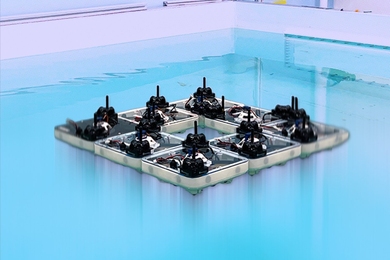
MIT researchers developed FloatForm, a swarm of small aquatic robots that snap together like ants forming a raft, assembling into reconfigurable structures on the water.
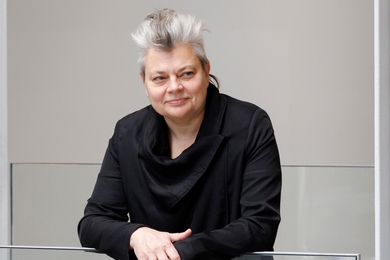
In this leadership role, Miljački seeks to shepherd a collective commitment to transform the present into a better future.
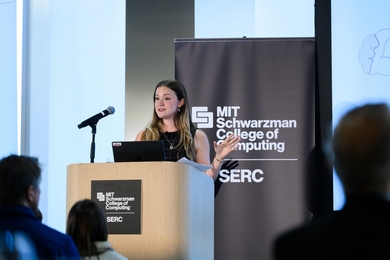
PhD student Rachel Sava, winner of the Envisioning the Future of Computing Prize, explores transformative improvements and dystopian risks of neural technology.