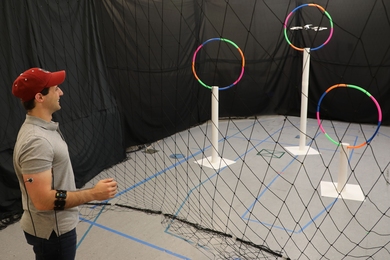
Muscle signals can pilot a robot
CSAIL's Conduct-A-Bot system uses muscle signals to cue a drone’s movement, enabling more natural human-robot communication.
CSAIL's Conduct-A-Bot system uses muscle signals to cue a drone’s movement, enabling more natural human-robot communication.
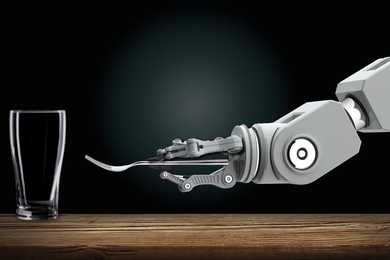
By observing humans, robots learn to perform complex tasks, such as setting a table.
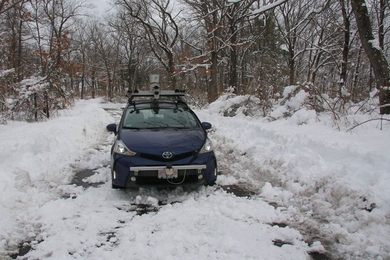
Weather’s a problem for autonomous cars. MIT’s new system shows promise by using “ground-penetrating radar” instead of cameras or lasers.
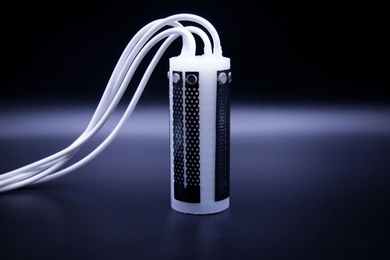
Flexible sensors and an artificial intelligence model tell deformable robots how their bodies are positioned in a 3D environment.

Device made of heart tissue and a robotic pumping system beats like the real thing.
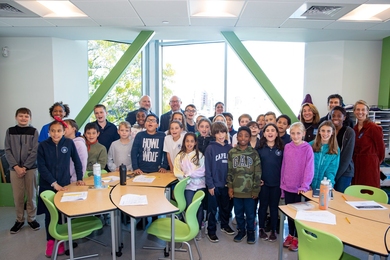
MIT researchers and collaborators have developed an open-source curriculum to teach young students about ethics and artificial intelligence.
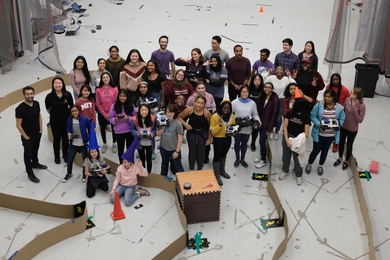
Weekend robotics workshops help middle and high school girls dispel “computing phobia.”
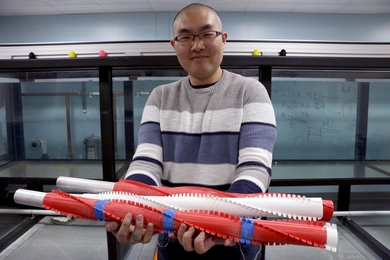
A novel experimental facility integrates automation and active learning, illuminating a path to accelerated scientific discovery.
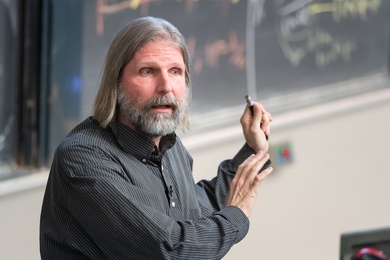
Cornell University professor and physicist uses nanoscale parts to create smart, active microbots.
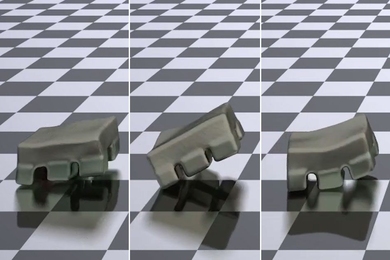
Optimizing soft robots to perform specific tasks is a huge computational problem, but a new model can help.
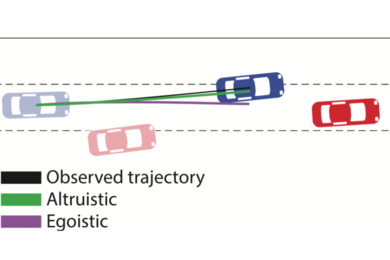
System from MIT CSAIL sizes up drivers as selfish or selfless. Could this help self-driving cars navigate in traffic?

Its extendable appendage can meander through tight spaces and then lift heavy loads.
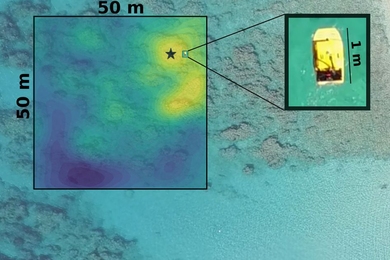
Robotic boats could more rapidly locate the most valuable sampling spots in uncharted waters.
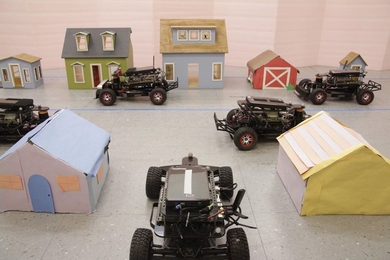
Model alerts driverless cars when it’s safest to merge into traffic at intersections with obstructed views.
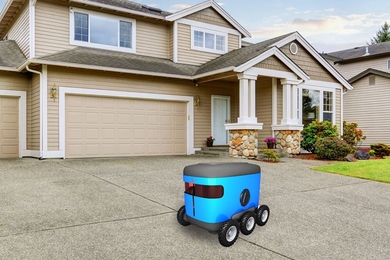
Navigation method may speed up autonomous last-mile delivery.