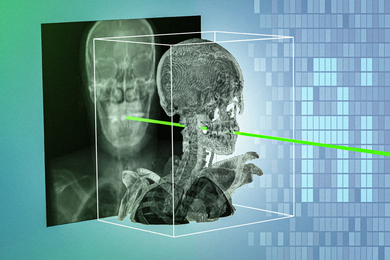
New AI technique could make minimally invasive surgeries safer and more precise
This patient-specific method, called xvr, helps doctors use X-rays for surgical navigation in fields such as orthopedics and neurosurgery.
This patient-specific method, called xvr, helps doctors use X-rays for surgical navigation in fields such as orthopedics and neurosurgery.

Researchers reveal how communities of marine bacteria divide the task of degrading fucoidan, a key player in ocean carbon storage.

The “HardFlow” algorithm could help generative AI models produce high-quality outputs that obey strict requirements when “pretty close” doesn’t cut it.
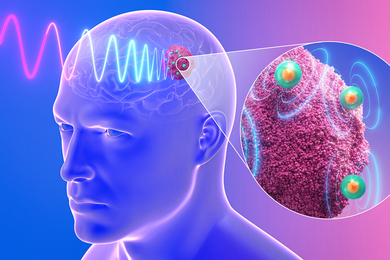
MIT researchers show implanted nanoantennas can be activated wirelessly to kill brain cancer cells without damage to healthy tissue.
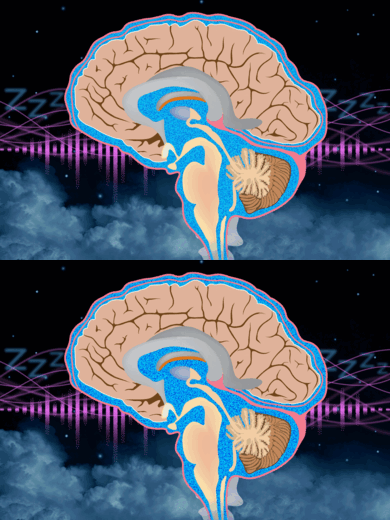
Delivered at just the right time, this type of auditory stimulus can strengthen the flow of cerebrospinal fluid, which clears debris from the brain and keeps it healthy.

An MIT team has demonstrated a more efficient way to extract pure hydrogen gas from hydrogen carrier molecules.

In some regions of the world, the poorest people may spend about 50 percent of their income on food, while the richest spend about 5 percent.

The work is part of a multiyear effort to develop a distributed sensor network for relaying data collected from this critical region.
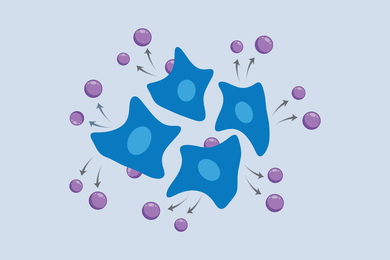
In the new method, cells package and export their RNA, enabling researchers to sequence and analyze the RNA without killing the cells.

This scalable process produces high-performance chips for applications like discreet wearables or pliable augmented-reality displays.

This advance could be a big step toward developing a scalable, practical quantum computer.

A new method, called CW-Net, translates the reasoning process of an autonomous vehicle’s AI system into understandable concepts that explain its behavior.

Due to physical and fundamental limitations, an earlier proposal for producing laserlike beams of neutrinos cannot be achieved, scientists report.

The brain's ability to generate quick, nimble volitional thought — and a unified awareness of thought and experience — arises from analog computations, MIT neuroscientists argue in a new review.
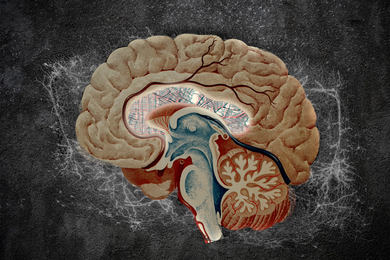
A new study reveals insights into populations of neurons affected by Huntington’s disease, schizophrenia, addiction, and other disorders.