
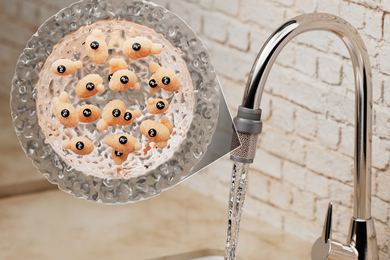
Repurposed beer yeast may offer a cost-effective way to remove lead from water
A filter made from yeast encapsulated in hydrogels can quickly absorb lead as water flows through it.
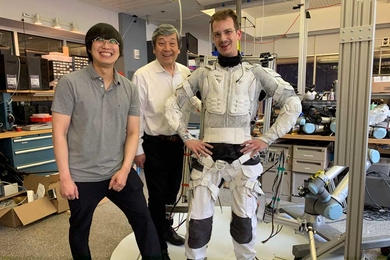
Robotic “SuperLimbs” could help moonwalkers recover from falls
A new MIT system could help astronauts conserve energy and extend missions on the lunar surface.

Astronomers spot a giant planet that is as light as cotton candy
The new world is the second-lightest planet discovered to date.
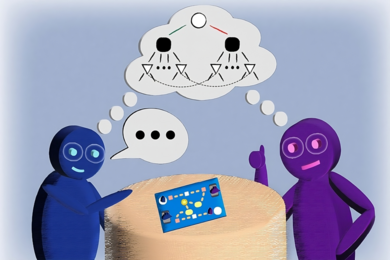
Using ideas from game theory to improve the reliability of language models
A new “consensus game,” developed by MIT CSAIL researchers, elevates AI’s text comprehension and generation skills.
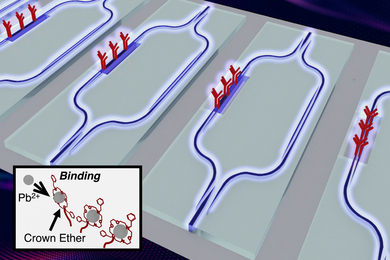
Scientists develop an affordable sensor for lead contamination
The chip-scale device could provide sensitive detection of lead levels in drinking water, whose toxicity affects 240 million people worldwide.

MIT researchers discover the universe’s oldest stars in our own galactic backyard
Three stars circling the Milky Way’s halo formed 12 to 13 billion years ago.
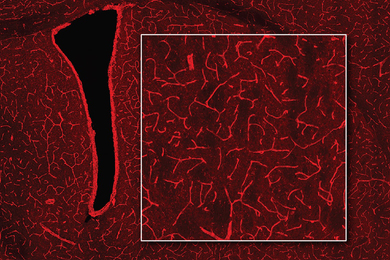
Using MRI, engineers have found a way to detect light deep in the brain
The new technique could enable detailed studies of how brain cells develop and communicate with each other.
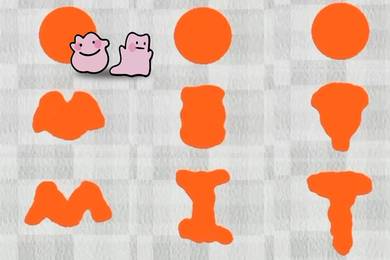
A better way to control shape-shifting soft robots
A new algorithm learns to squish, bend, or stretch a robot’s entire body to accomplish diverse tasks like avoiding obstacles or retrieving items.
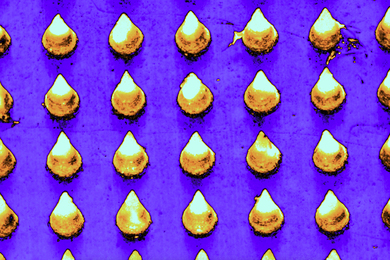
New treatment could reverse hair loss caused by an autoimmune skin disease
A microneedle patch that delivers immune-regulating molecules can teach T cells not to attack hair follicles, helping hair to regrow.

Study: Heavy snowfall and rain may contribute to some earthquakes
The results suggest that climate may influence seismic activity.
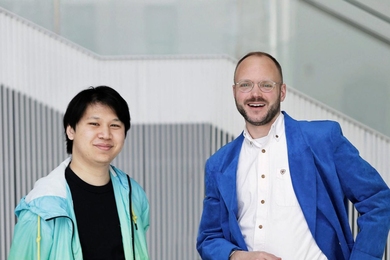
How AI might shape LGBTQIA+ advocacy
New “AI Comes Out of the Closet” system seeks to merge artificial intelligence and LGBTQIA+ support.
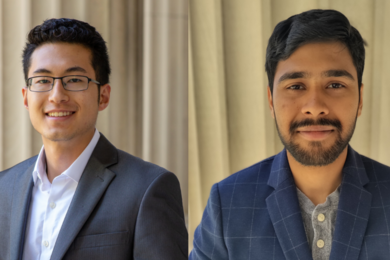
Two MIT PhD students awarded J-WAFS fellowships for their research on water
Jonathan Bessette and Akash Ball have been named 2024-25 J-WAFS Fellows for water treatment technologies.

Exploring the mysterious alphabet of sperm whales
MIT CSAIL and Project CETI researchers reveal complex communication patterns in sperm whales, deepening our understanding of animal language systems.

This sound-suppressing silk can create quiet spaces
Researchers engineered a hair-thin fabric to create a lightweight, compact, and efficient mechanism to reduce noise transmission in a large room.