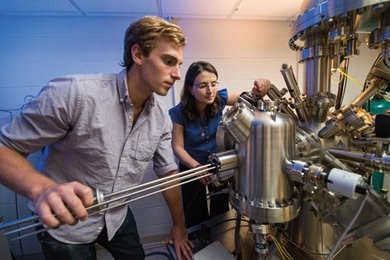
New experiments, new insights into stress corrosion cracking
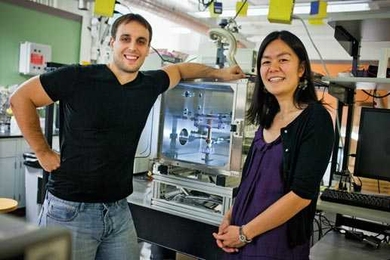
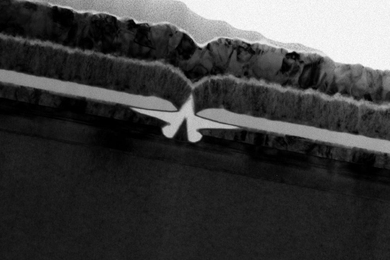
MIT researchers now have new insights into how 'stress corrosion cracking' may be affected by nanoscale disruptions in the crystalline structure of metallic materials.
MIT researchers now have new insights into how 'stress corrosion cracking' may be affected by nanoscale disruptions in the crystalline structure of metallic materials.
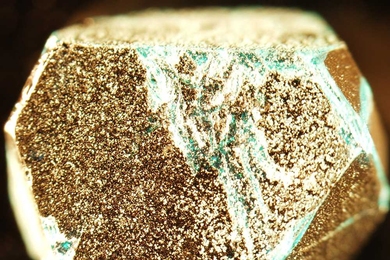
Experiments demonstrate ‘quantum spin liquid,’ which could have applications in new computer memory storage.
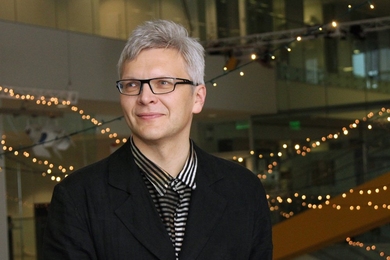
MIT’s Gediminas Urbonas emerged from the old Soviet Union to produce new art in Cambridge.

MIT Philosophy has extraordinary success placing PhD graduates in top tenure-track positions.
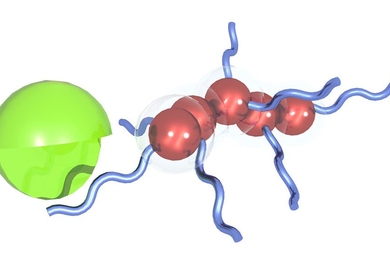
Nanoparticles amplify tumor signals, making them much easier to detect in the urine.

Mining, Oil and Gas Club has sparked interest outside of MIT, notes Juan Esteban Montero.
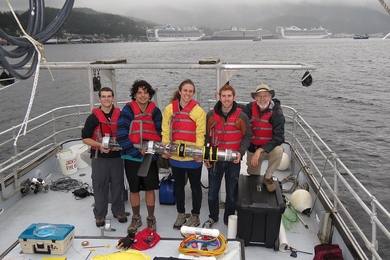
Jacqueline Sly ’14 and Tommy Moriarty ’14 discuss their experiences and lessons learned leading the Marine Robotics Team.
New study suggests targeting dopamine-releasing neurons could lead to more effective therapies.
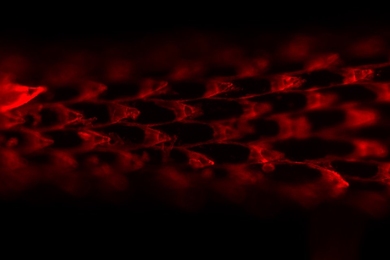
Understanding the mechanisms behind quill penetration and extraction could help engineers design better medical devices.
MIT researchers develop the smallest indium gallium arsenide transistor ever built.

Scholars mark 50th anniversary of 'The Structure of Scientific Revolutions.'

Researchers find a common angle and tipping point of branching valley networks.

The very first stars may have turned on when the universe was 750 million years old.