How anti-poverty programs go viral
Study: Getting the well-connected to spread the word helps more people learn about microfinance programs in rural India.
Study: Getting the well-connected to spread the word helps more people learn about microfinance programs in rural India.
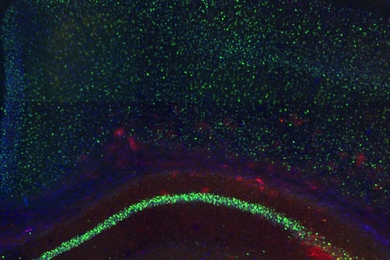
MIT study also pinpoints where the brain stores memory traces, both false and authentic.
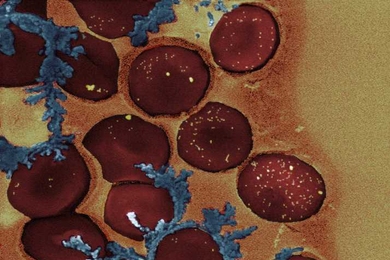
Engineers design nanoparticles that can turn the blood-clotting cascade on or off.

A new Web tool could help measure subjective impressions of urban environments, which may have consequences for social behaviors.
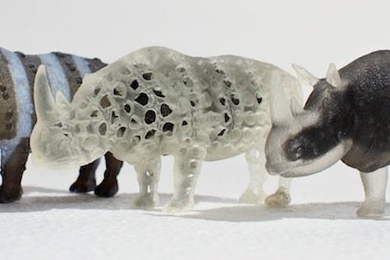
New research to be presented at the 2013 SIGGRAPH computer graphics conference could transform field of 3-D printing.

An MIT faculty member since 2001, Chen succeeds Mary Boyce as MechE department head.
Graduate student Rafael Nonato travels to the fringes of the Amazon rainforest to explore the Brazilian native language of the Kĩsêdjê.

Technology developed by two MIT alumni entrepreneurs is helping developers create smarter online music-streaming services.