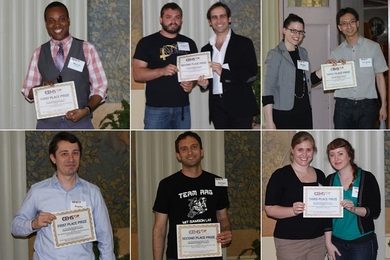
Students recognized for environmental health research
Grads and postdocs presented work at poster session held by Center for Environmental Health Sciences
Grads and postdocs presented work at poster session held by Center for Environmental Health Sciences
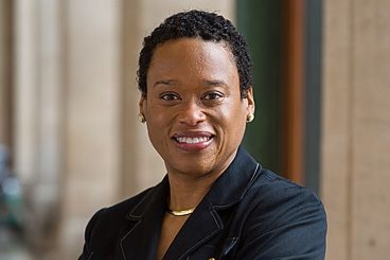
MIT political science professor examines ways societies confront histories of racial and ethnic injustice
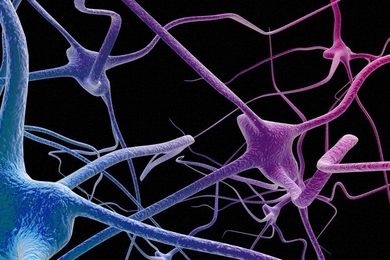
Neurons that can multitask greatly enhance the brain’s computational power, study finds.
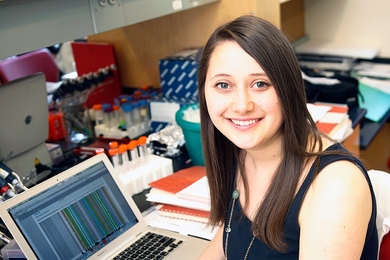
Red blood cells, dengue fever and greenhouses have been on MIT senior Paula Trepman’s mind as she tackles problems in global health care.
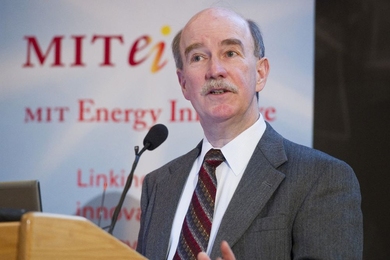
Outgoing director Ernest Moniz confirmed as U.S. Secretary of Energy.
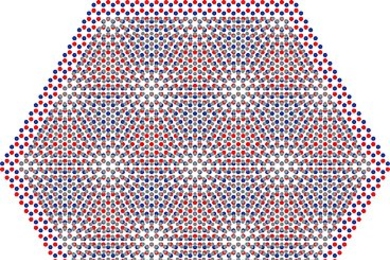
New experiments reveal previously unseen effects, could lead to new kinds of electronics and optical devices.
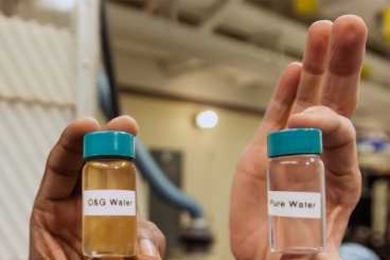
Humidification-dehumidification (HDH) carrier gas extraction process developed by researchers at MIT.
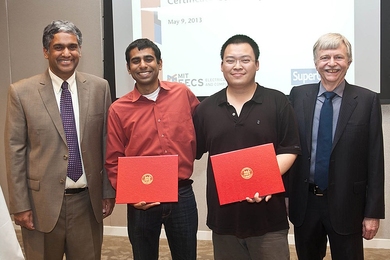
EECS program immerses undergraduates in advanced research projects.
Field, Kac, Vogan and Walker bring to 76 the number of Institute faculty who are NAS members.
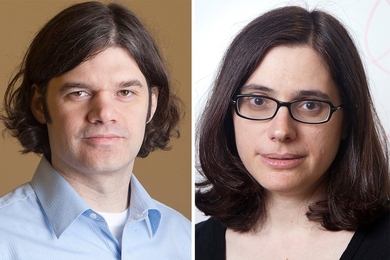
Peter Reddien and Aviv Regev are among 27 top biomedical scientists selected nationwide.
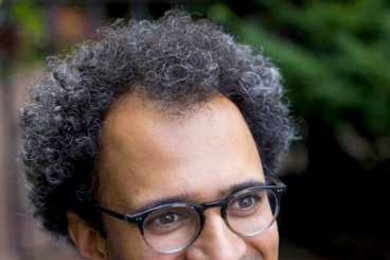
For exceptional distinction in teaching and research
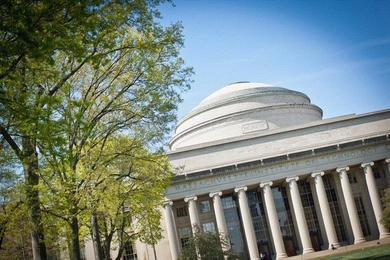
Alexander-Katz, Detmold, Fu, Tisdale and Williams honored by Office of Science of the Department of Energy.
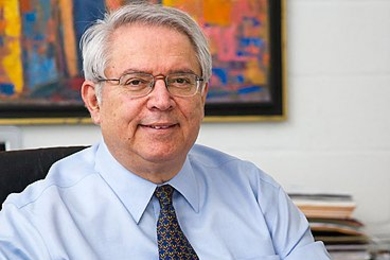
A look at the Center for Advanced Nuclear Energy Systems
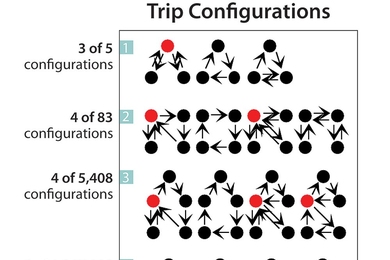
A population-level study discovers small-scale details about individuals’ choices.
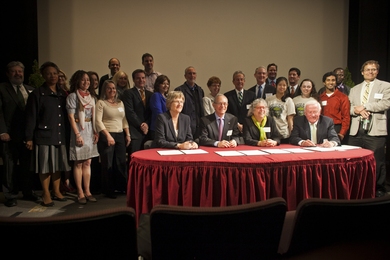
Akamai to join universities and city in new agreement; others encouraged to follow suit.