
Testing strategies for preventing violence and crime
J-PAL North America funds randomized studies to evaluate crime-prevention programs.
J-PAL North America funds randomized studies to evaluate crime-prevention programs.

Techniques that develop a sense of belonging help to improve global MOOC persistence and completion rates.

MIT graduate students in energy fields gain skills and advance knowledge while helping to move toward a low-carbon future.

Study shows online retail prices often match store prices — and suggests why they sometimes do not.

Modifying the “middle end” of a popular compiler yields more-efficient parallel programs.

Carbon dioxide isn’t the only one that matters, and the gases vary widely in potency and duration.

Marking 25 years of science and policy studies, the MIT Joint Program launches new website showcasing its expanded research portfolio.

Collaboration will explore ways of working with natural systems to address climate change.

“City Digits: Local Lotto” teaches Brooklyn high school students how to work with data by analyzing lottery spending patterns.

MIT scholars produce new method of harvesting correct answers from groups.

MIT researchers are helping architects optimize both design and energy efficiency.
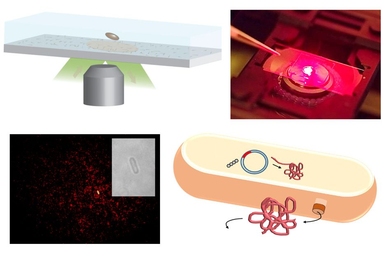
Modified carbon nanotubes could be used to track protein production by individual cells.

Introducing such groups to potential drugs could make them more effective.

System that automatically handles database caching in server farms increases speed and reliability.
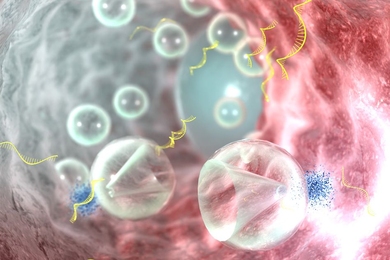
Technique enables rapid delivery of RNA to treat colon inflammation.