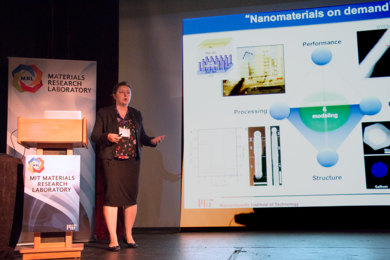
Improving materials from the nanoscale up
At the Materials Day Symposium, researchers focus on tools that probe atomic structures in action to yield better designs for metals, solar cells, and polymers.
At the Materials Day Symposium, researchers focus on tools that probe atomic structures in action to yield better designs for metals, solar cells, and polymers.

New design could greatly extend the shelf life of single-use metal-air batteries for electric vehicles, off-grid storage, and other applications.

Material could be used to coat windows, save on air-conditioning costs.

In a study that might enable earlier diagnosis, neuroscientists find abnormal brain connections that can predict onset of psychotic episodes.

Neuroscientists discover a circuit that helps redirect attention to focus on potential threats.
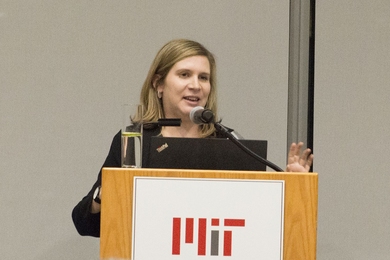
At its annual alumni reception, CEE faculty shared innovative research projects ranging from machine learning to regional impacts of climate change.

Model predicts whether ER patients suffering from sepsis urgently need a change in therapy.

Researchers find most fantasy sports are based on skill, not luck.

Study identifies reasons for unsettled editing disagreements and offers predictive tools that could improve deliberation.

Wide-ranging acoustic images could help researchers identify populations on the brink of collapse.

Simple method for linking molecules could help overcome drug resistant infections.

Existing laser technology could be fashioned into Earth’s “porch light” to attract alien astronomers, study finds.
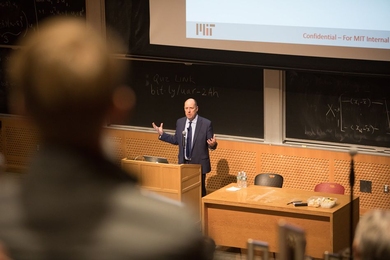
Opportunities and new challenges were at the forefront of discussions about the MIT Stephen A. Schwarzman College of Computing.
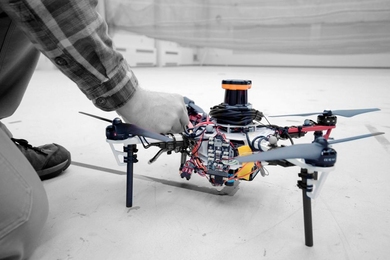
System allows drones to cooperatively explore terrain under thick forest canopies where GPS signals are unreliable.

Toxin will accumulate in the environment, particularly in remote regions, as countries delay implementing emissions controls.