Understanding ammonia energy’s tradeoffs around the world
MIT Energy Initiative researchers calculated the economic and environmental impact of future ammonia energy production and trade pathways.
Researchers propose a roadmap for using transcranial focused ultrasound, a noninvasive way to stimulate the brain and see how it functions.
While the growing energy demands of AI are worrying, some techniques can also help make power grids cleaner and more efficient.
With the help of AI, MIT Research Scientist Judah Cohen is reshaping subseasonal forecasting, with the goal of extending the lead time for predicting impactful weather.
MIT engineers designed capsules with biodegradable radio frequency antennas that can reveal when the pill has been swallowed.
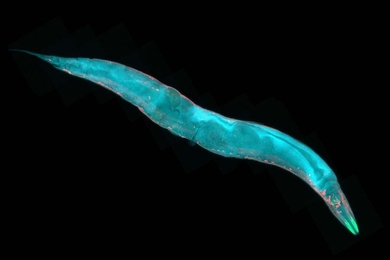
Time and again, an unassuming roundworm has illuminated aspects of biology with major consequences for human health.
Research shows direct flights and links to key airports help multinational firms expand globally and decide where to invest.
Nanoparticles coated with molecular sensors could be used to develop at-home tests for many types of cancer.
New research demonstrates how AI models can be tested to ensure they don’t cause harm by revealing anonymized patient health data.
As these events become more common at midlatitudes, a phenomenon called an atmospheric inversion will determine how long they last.
A new method could enable users to design portable medical devices, like a splint, that can be rapidly converted from flat panels to a 3D object without any tools.
MIT community members made headlines with key research advances and their efforts to tackle pressing challenges.
Concrete batteries, AI-developed antibiotics, the ozone’s recovery, and a more natural bionic knee were some of the most popular topics on MIT News.
New research suggests liver cells exposed to too much fat revert to an immature state that is more susceptible to cancer-causing mutations.
Images from geostationary satellites alone aren’t enough to help planes avoid contrail-prone regions, MIT researchers report.