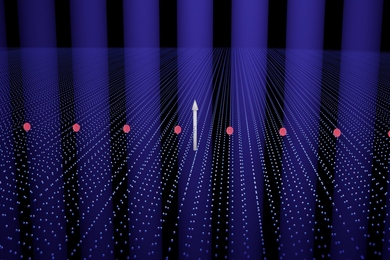
Electrons in moiré crystals explore higher-dimensional quantum worlds
MIT physicists have discovered 3D “moiré crystals” that simulate four-dimensional quantum materials to a T.
MIT physicists have discovered 3D “moiré crystals” that simulate four-dimensional quantum materials to a T.
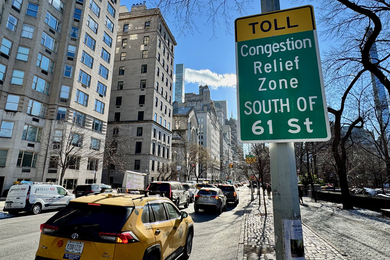
A new study pieces together existing data sources in order to develop a detailed, dynamic picture of auto emissions.
MIT researchers developed a testing framework that pinpoints situations where AI decision-support systems are not treating people and communities fairly.
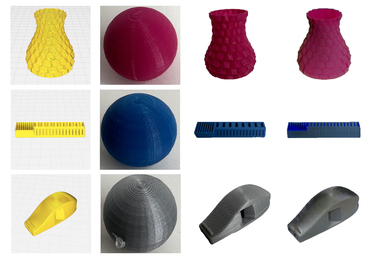
By quickly generating aesthetically accurate previews of fabricated objects, the VisiPrint system could make prototyping faster and less wasteful.
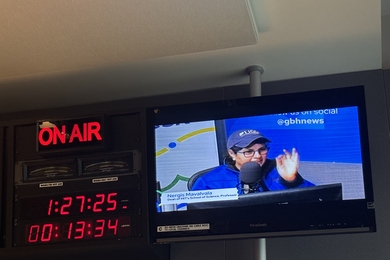
On GBH’s new show The Curiosity Desk, MIT LIGO researchers revel in the beauties of fundamental discovery science and MIT astronomers talk planetary defense.
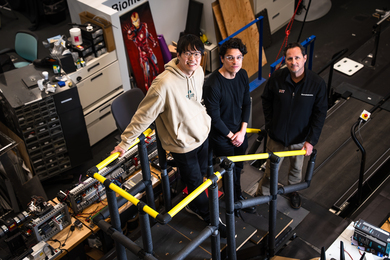
A new biohybrid system developed at MIT is the first living implant that uses rewired nerves to revive paralyzed organs.
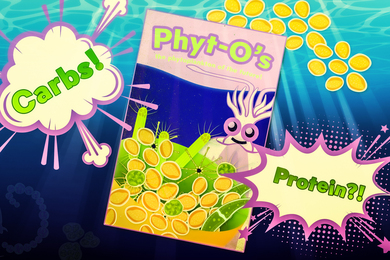
With warmer ocean temperatures, the composition of marine plankton could shift from protein-rich to carb-heavy, a new study suggests.
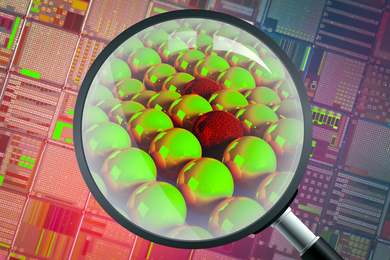
A new model measures defects that can be leveraged to improve materials’ mechanical strength, heat transfer, and energy-conversion efficiency.
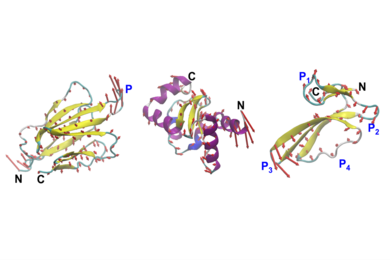
An AI model generates novel proteins based on how they vibrate and move, opening new possibilities for dynamic biomaterials and adaptive therapeutics.
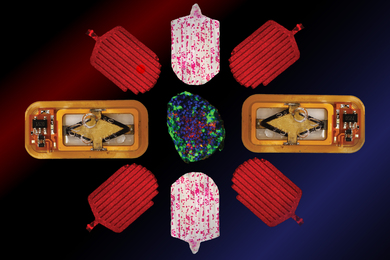
The cells can survive in the body for at least three months, producing enough insulin to control blood sugar levels, research shows.
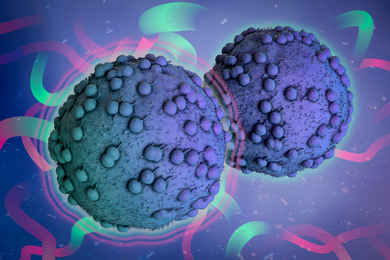
A backup survival pathway can help tumor cells resist certain lung cancer and other drugs. Combining therapies may offer a solution.
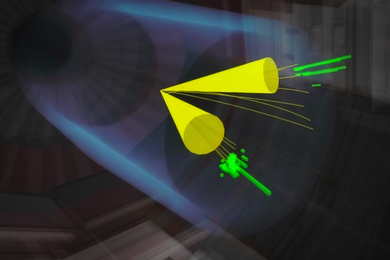
Physicists discovered new properties of the strong force by analyzing what happens when light-speed particles skim by each other.
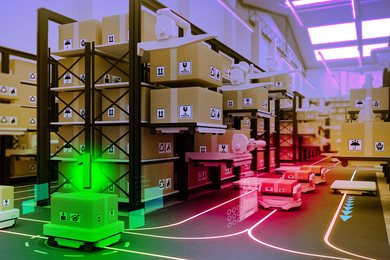
This new approach adapts to decide which robots should get the right of way at every moment, avoiding congestion and increasing throughput.
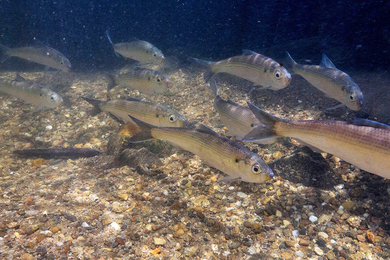
MIT Sea Grant works with the Woodwell Climate Research Center and other collaborators to demonstrate a deep learning-based system for fish monitoring.
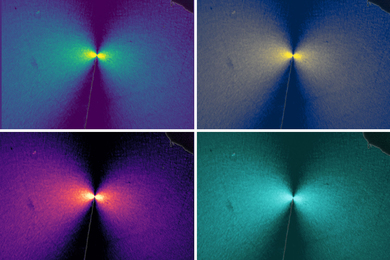
New insights into metallic cracks that harm battery performance could advance the longstanding quest to develop energy-dense solid-state batteries.