
Waging a two-pronged campaign against climate change
With MIGHTR, PhD student W. Robb Stewart aims to speed construction of new nuclear plants to help decarbonize the economy.
With MIGHTR, PhD student W. Robb Stewart aims to speed construction of new nuclear plants to help decarbonize the economy.
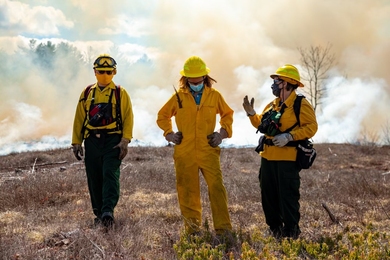
Massachusetts Secretary of Energy and Environmental Affairs discusses the state’s plans to achieve net-zero emissions by 2050 and how to get there.

“This is the key, the linchpin that will set a lot of things in the right direction,” says the mechanical engineering professor.

By making the microbes more tolerant to toxic byproducts, researchers show they can use a wider range of feedstocks, beyond corn.

Jacopo Buongiorno and others say factory-built microreactors trucked to usage sites could be a safe, efficient option for decarbonizing electricity systems.

2021 Global Change Outlook from the MIT Joint Program on the Science and Policy of Global Change shows how more aggressive policies can sharply reduce climate risk.
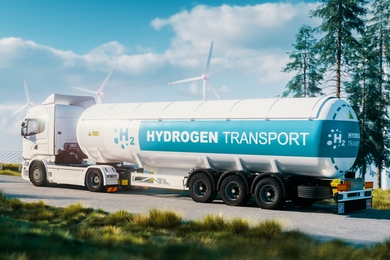
Study: Using trucks as both storage and means of energy transmission reduces hydrogen supply chain costs and encourages green hydrogen production from variable renewable energy.

Chemical engineering senior Awele Uwagwu works to accelerate the adoption of solar energy in Nigeria.

Matthew Johnston ’20 uses physics and baseball skills to get remote villages on the grid.

HASTS PhD student Caroline White-Nockleby aims to advance climate justice by minimizing localized burdens of renewable energy implementation.
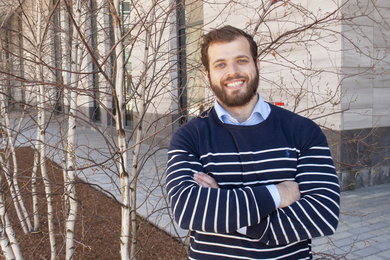
Whether testing high-field fusion magnets or his own physical endurance, Theo Mouratidis pushes the limits.
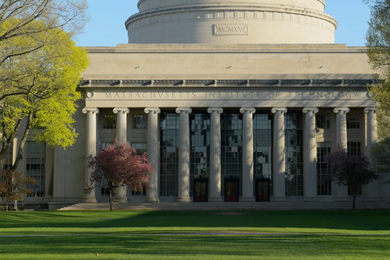
The Institute commits to net-zero emissions by 2026, charts course marshaling all of MIT’s capabilities toward decarbonization.
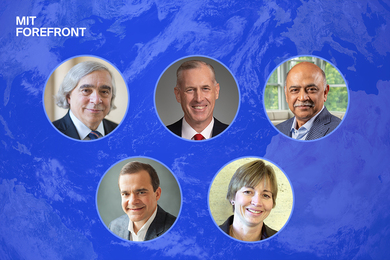
At MIT Forefront, industry and Institute leaders discuss how businesses play a pivotal role in deploying new technologies that will mitigate climate change.

An urgent call to confront climate change reverberated throughout MIT Better World (Sustainability), a virtual gathering of the global MIT community.
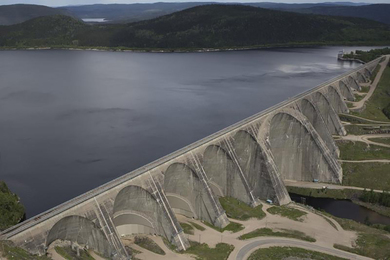
In the Northeast, Canadian hydropower could make it so.