New faculty in the School of Humanities, Arts, and Social Sciences
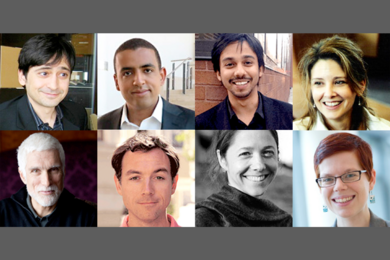
SHASS welcomes eight new faculty members for 2016.
SHASS welcomes eight new faculty members for 2016.
Professor Charles Stewart III explains why the U.S. electoral system is strong and how MIT research is making the voting process even more seamless.
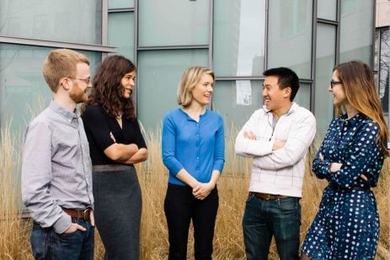
The IPL provides funding and policy outreach support to help MIT researchers connect with the policy world.
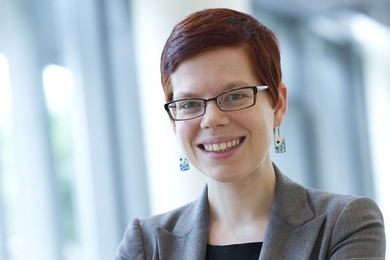
Assistant Professor Ariel White is looking to understanding how government, policies, and people affect voting behavior.
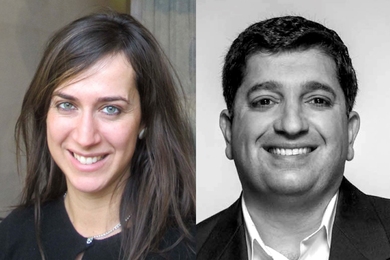
MIT faculty discuss how a multidisciplinary, multi-university collaboration helps us understand the mechanics of social and political change.
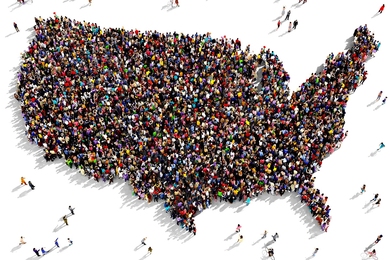
Experts from the School of Humanities, Arts, and Social Sciences weigh in on topics from polling to rhetoric to individual campaign issues.
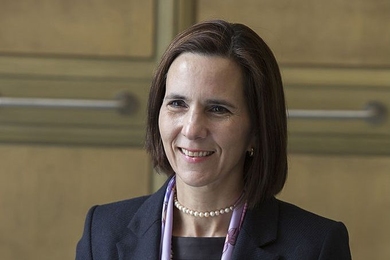
Mexico's former deputy secretary of energy for hydrocarbons will write on Mexican energy reform and research women’s roles in political and social transformation.
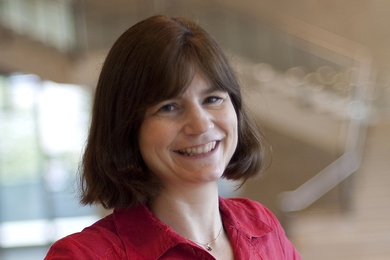
MIT political scientist Andrea Campbell discusses the impact of equity on health care innovation and outcomes.
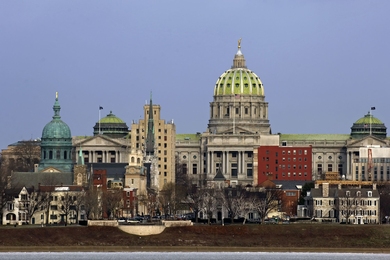
Selected state and local governments will receive support from J-PAL North America at MIT to improve the effectiveness of social programs.
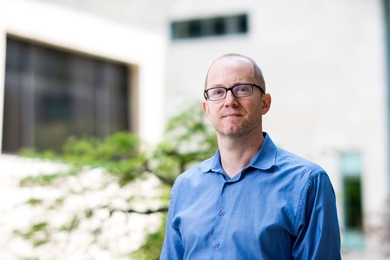
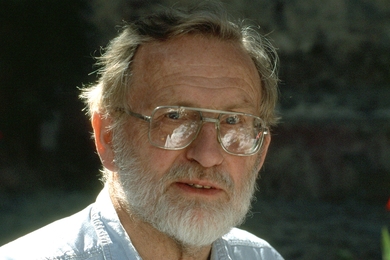
MIT professor contributed to theory and practice of nuclear arms control and established the MIT Security Studies Program.
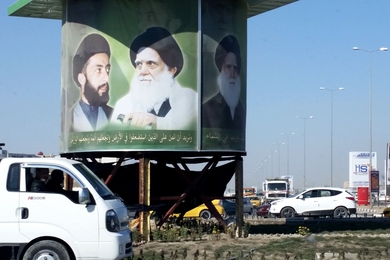
In exploring the role of clerics in the Shi’a world, political science PhD student Marsin Alshamary heeds the call of family history.
Political scientists Charles Stewart III and Devin Caughey weigh in on the 2016 U.S. presidential primaries.