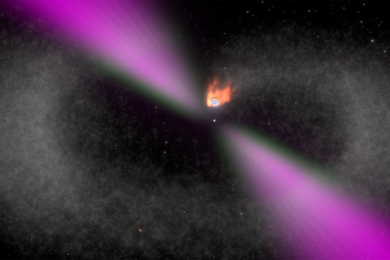
Astronomers discover a rare “black widow” binary, with the shortest orbit yet
The system is orbited by third stellar companion and may have originated near the center of the Milky Way.
The system is orbited by third stellar companion and may have originated near the center of the Milky Way.
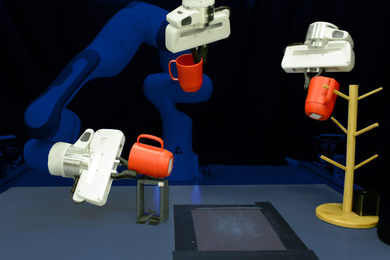
Researchers have developed a technique that enables a robot to learn a new pick-and-place task with only a handful of human demonstrations.
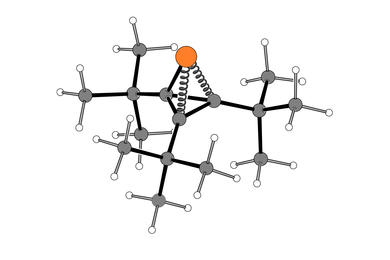
An alternative to methods requiring harsh chemical conditions, the reaction offers a new route to making useful phosphorous-containing compounds.
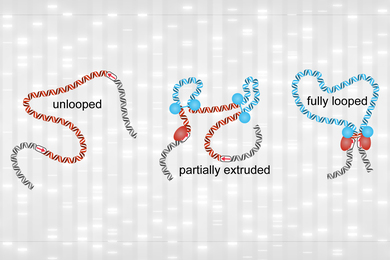
Study finds genome loops don’t last long in cells; theories of how loops control gene expression may need to be revised.
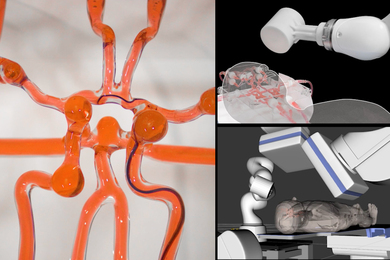
The system could provide teleoperated endovascular treatment to patients during the critical time window after a stroke begins.
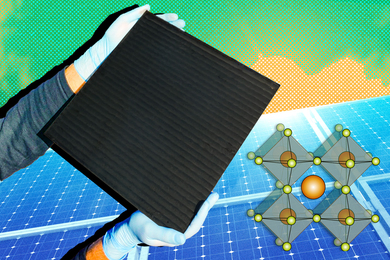
Perovskite materials would be superior to silicon in PV cells, but manufacturing such cells at scale is a huge hurdle. Machine learning can help.
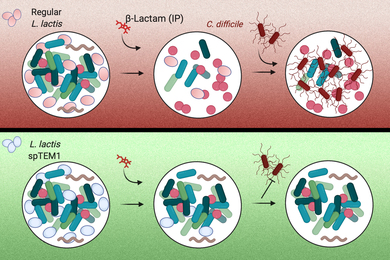
Microbes that safely break down antibiotics could prevent opportunistic infections and reduce antibiotic resistance.
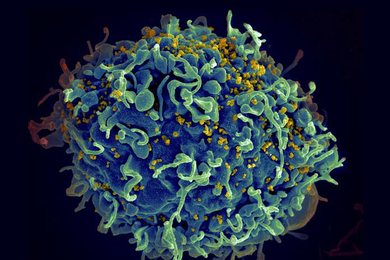
MIT biological engineers have developed a simple way to identify B or T cells that interact with viral or bacterial proteins.
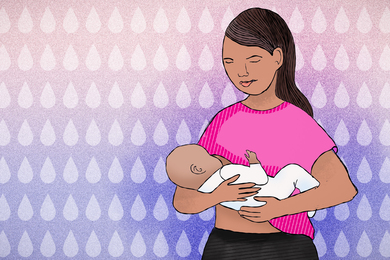
A new analysis shows how milk-producing cells change over time in nursing mothers.
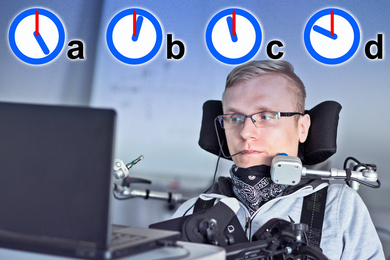
For individuals who communicate using a single switch, a new interface learns how they make selections, and then self-adjusts accordingly.
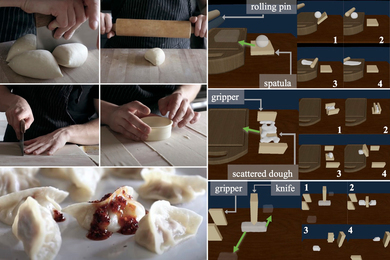
A new technique could enable a robot to manipulate squishy objects like pizza dough or soft materials like clothing.
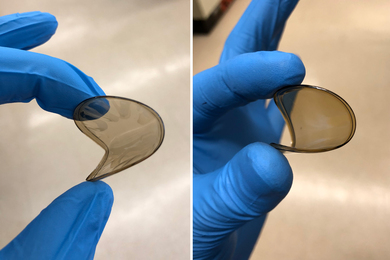
A new membrane material could make purification of gases significantly more efficient, potentially helping to reduce carbon emissions.
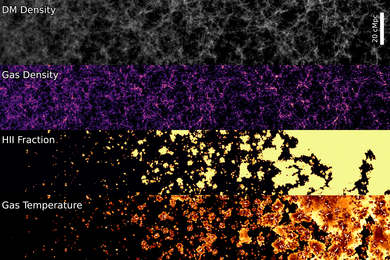
Named after a goddess of the dawn, the Thesan simulation of the first billion years helps explain how radiation shaped the early universe.
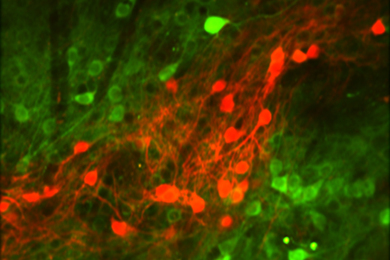
These cells, located in the brain’s striatum, appear to help with decision-making that requires evaluating risks and benefits.
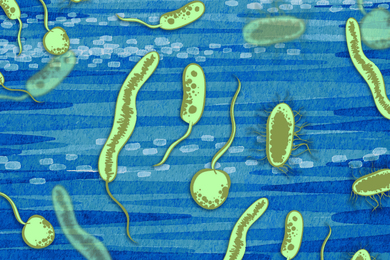
Scientists propose a new mechanism by which oxygen may have first built up in the atmosphere