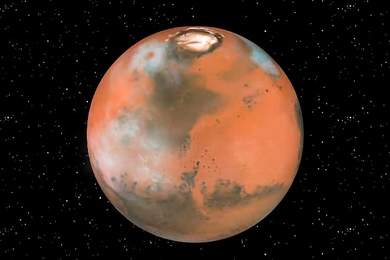
Making Martian clouds on Earth
Cloud-chamber experiments show that clouds on Mars form in much more humid conditions than clouds on Earth.
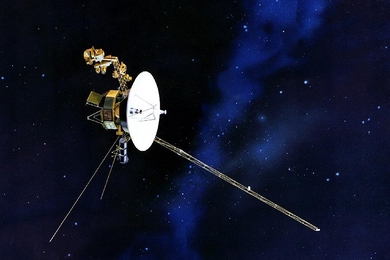
Q&A: John Richardson and John Belcher on Voyager 1’s crossing and interstellar exploration
Beyond the solar system, a probe launched in 1977 is likely to find a cold, dense sea of cosmic rays.
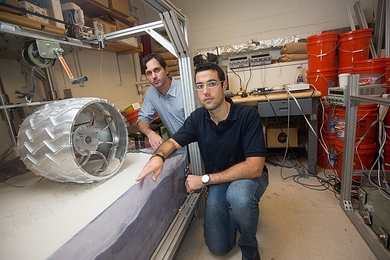
Terramechanics research aims to keep Mars rovers rolling
Simulations predict safest path for rovers to travel.
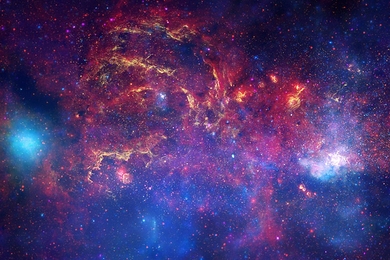
An answer to why our galaxy’s black hole is a finicky eater
Researchers find material ejects itself before black hole can devour it.
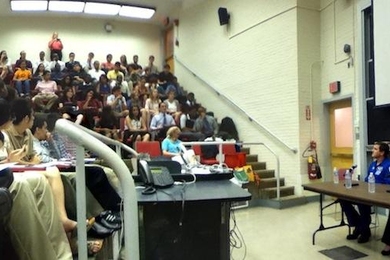
NASA discusses next manned spacecraft with visiting high school students
Participants in Minority Introduction to Engineering and Science, Women's Technology Program, and Interphase Edge hear insiders' perspective on the Orion Multi-Purpose Crew Vehicle
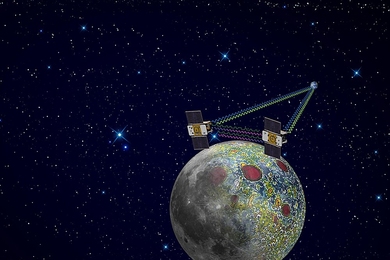
An answer to a lunar mystery: Why is the moon’s gravity so uneven?
Simulations based on GRAIL data show how gravitational anomalies developed early in lunar history.
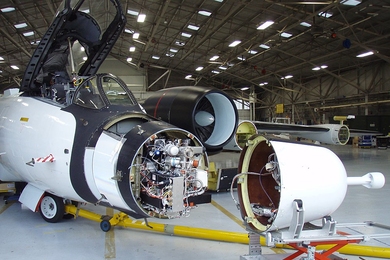
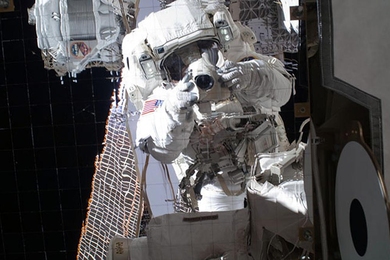
Shedding light on the search for dark matter
Physicists and astronaut discuss cosmic ray detector’s findings of possible signs of dark matter.
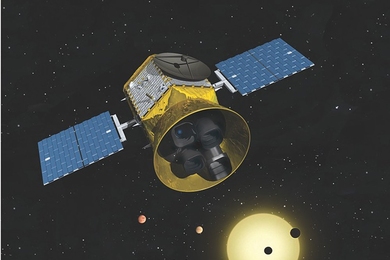
NASA selects MIT-led TESS project for 2017 mission
$200 million project will launch telescopes to perform full-sky search for transiting exoplanets.

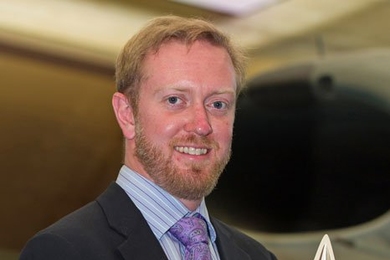
CERN announces measurement of antimatter excess in space
MIT physicist and AMS spokesman Samuel Ting presents results via webcast.
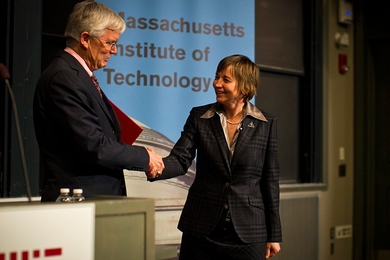
Mapping the early history of the moon
In 41st annual Killian Lecture, Maria Zuber describes looking deep into the moon’s interior to chart its early history.
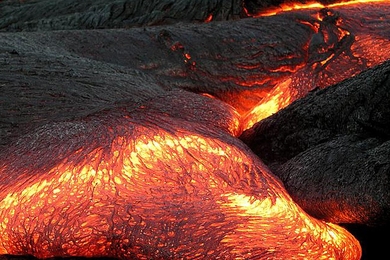
Mercury may have harbored an ancient magma ocean
Massive lava flows may have given rise to two distinct rock types on Mercury’s surface.
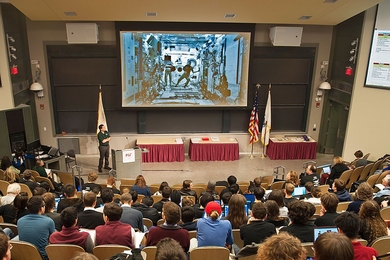
Students take control of satellites on the International Space Station
200 high-school students participate in MIT’s annual Zero Robotics competition.