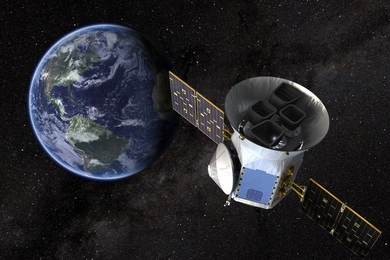
TESS discovers its first Earth-sized planet
Orbiting a nearby star, the new planet is the smallest identified so far by the TESS mission.
Orbiting a nearby star, the new planet is the smallest identified so far by the TESS mission.
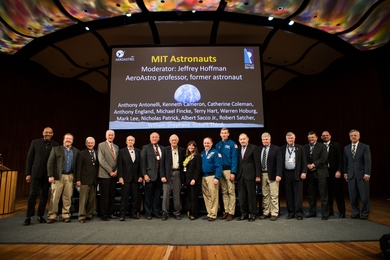
Symposium featuring former astronauts and other Apollo mission luminaries examines the program’s legacy.
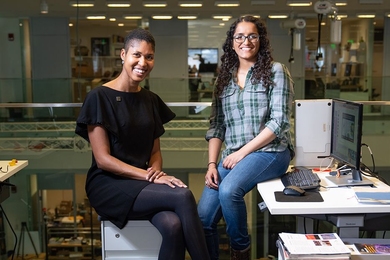
Researchers say new facilities in space should be available to scientists from any country.
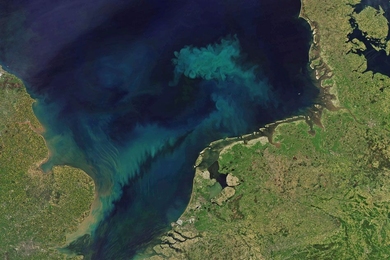
Climate-driven changes in phytoplankton communities will intensify the blue and green regions of the world’s oceans.

Algorithm could help autonomous underwater vehicles explore risky but scientifically-rewarding environments.
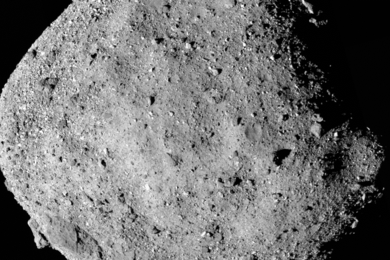
NASA’s OSIRIS-REx sample-return spacecraft, carrying MIT instrument, arrived at asteroid in December; now begins the science to select a sampling location.
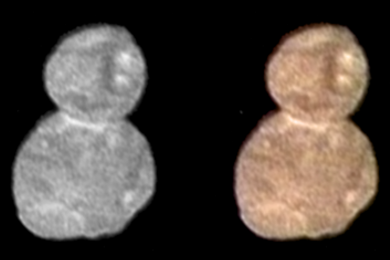
New Horizons Mission Team members Alissa Earle and Richard Binzel discuss the revelations the icy world provides about the formation of our solar system.
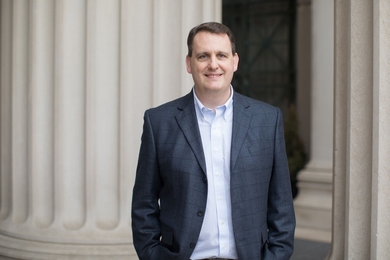
An expert in instrumentation and early universe observations, Simcoe succeeds Jacqueline Hewitt as head of MIT’s Kavli Institute for Astrophysics and Space Research.
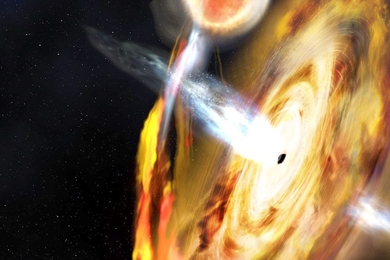
Halo of highly energized electrons around the black hole contracts dramatically during feeding frenzy.
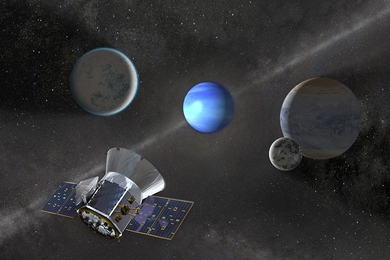
Measurements indicate a dense, gaseous, “sub-Neptune” world, three times the size of Earth.
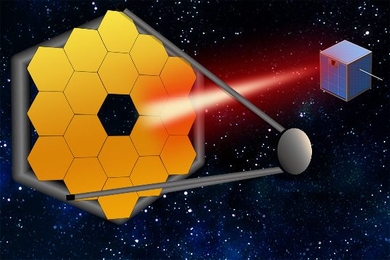
Researchers design CubeSats with lasers to provide steady reference light for telescopes investigating distant planets.
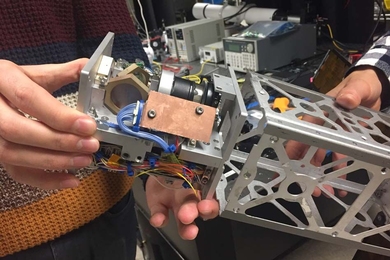
Platform offers the precision that shoebox-sized CubeSats need to beam down hefty data packets.
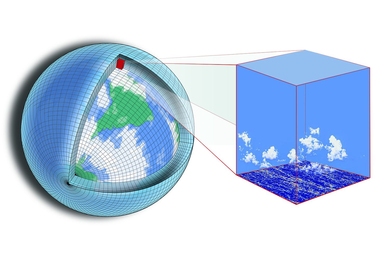
Scientists and engineers will collaborate in a new Climate Modeling Alliance to advance climate modeling and prediction.
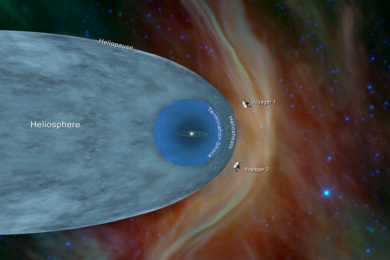
MIT Kavli's John Richardson describes MIT's role in the historic passing of the Voyager 2 craft past the heliopause and into the interstellar medium.
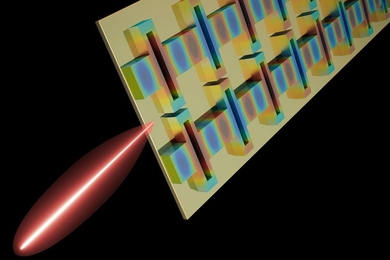
High-power, tunable design could be used for chemical detection in outer space, medical imaging, more.