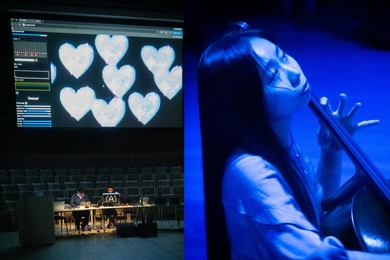
Inaugural Music Technology Research Showcase celebrates work of new graduate program’s initial students
Associate Professor Anna Huang delivers the keynote address, “In Search of Human-AI Resonance,” to a capacity crowd.
Associate Professor Anna Huang delivers the keynote address, “In Search of Human-AI Resonance,” to a capacity crowd.
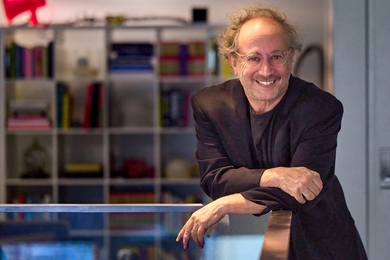
The George Peabody Medal is the highest honor bestowed by the Peabody Institute of the Johns Hopkins University.

Based on the physics of how the instrument produces sound, the model could help violin makers in the design process.
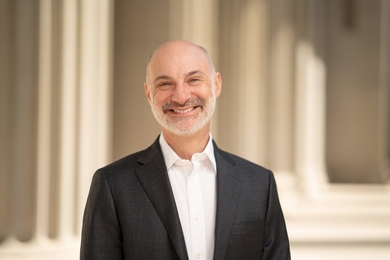
As the School of Humanities, Arts, and Social Sciences marks 75 years, Dean Agustín Rayo reflects on how AI is reshaping higher education and why SHASS disciplines continue to be central to MIT’s mission.
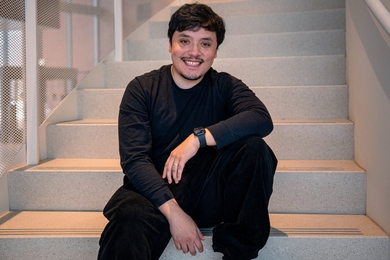
Mariano Salcedo ’25, a master’s student in the new Music Technology and Computation Graduate Program, is designing an AI to visualize and express music and other sounds.
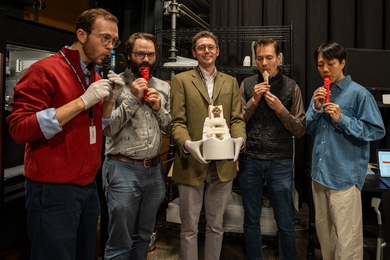
Through an interdisciplinary collaboration between MIT and the Museum of Fine Arts, Boston, researchers are creating playable physical and synthesized replicas.
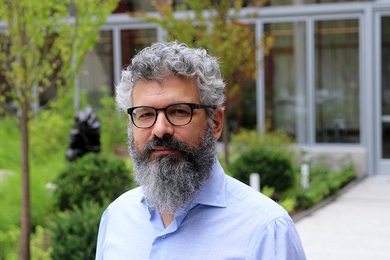
An acclaimed composer and longtime MIT faculty member, Makan will direct the next act in MIT’s story of artistic leadership.
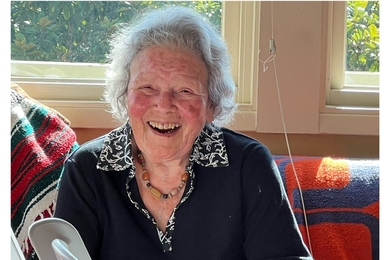
The former department chair was an early innovator in the use of artificial intelligence to both study and influence how children learn music.

Groundbreaking MIT concert, featuring electronic and computer-generated music, was a part of the 2025 International Computer Music Conference.

From the classroom to expanding research opportunities, students at MIT Music Technology use design to push the frontier of digital instruments and software for human expression and empowerment.
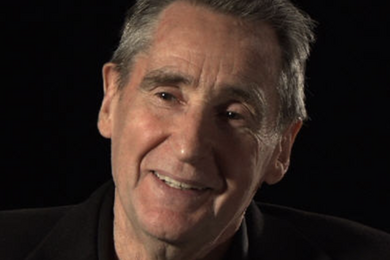
Widely known for his Synthetic Performer, Csound language, and work on the MPEG-4 audio standard, Vercoe positioned MIT as a hub for music technology through leadership roles with the Media Lab and Music and Theater Arts Section.

An exuberant performance included five premieres by MIT composers, a fitting tribute to open the new home of MIT Music and launch the MIT arts festival Artfinity.
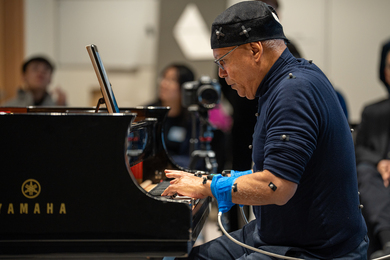
Connected by the MIT Human Insight Collaborative, Lecturer Mi-Eun Kim and Research Scientist Praneeth Namburi want to develop an understanding of musical expression and skill development.
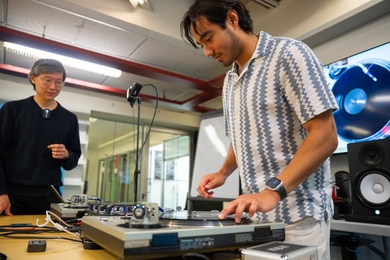
Students in a unique MIT course taught by research scientist, DJ, and game designer Philip Tan explore DJ’ing and tech culture with a hands-on approach.
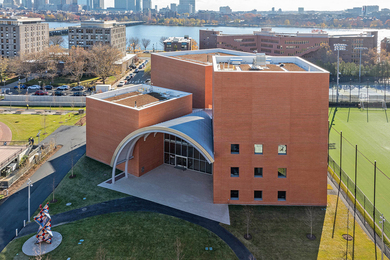
Opening in February 2025, the building will “give MIT musicians the conservatory-level tools they deserve,” says MIT President Sally Kornbluth.