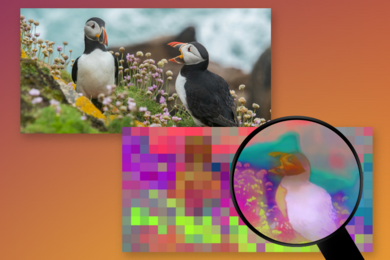
New algorithm unlocks high-resolution insights for computer vision
FeatUp, developed by MIT CSAIL researchers, boosts the resolution of any deep network or visual foundation for computer vision systems.
FeatUp, developed by MIT CSAIL researchers, boosts the resolution of any deep network or visual foundation for computer vision systems.
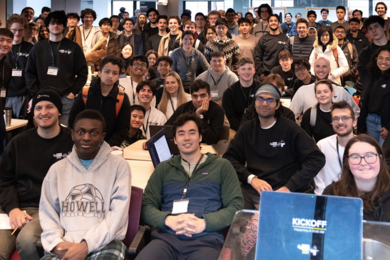
At the MIT Quantum Hackathon, a community tackles quantum computing challenges.
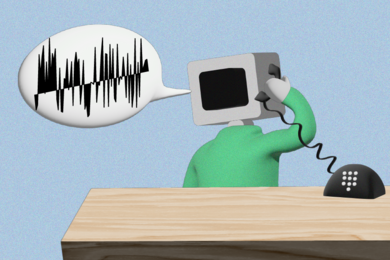
MIT CSAIL postdoc Nauman Dawalatabad explores ethical considerations, challenges in spear-phishing defense, and the optimistic future of AI-created voices across various sectors.

A new algorithm reduces travel time by identifying shortcuts a robot could take on the way to its destination.
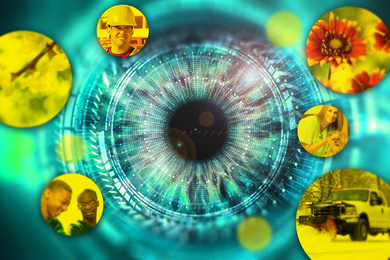
By enabling models to see the world more like humans do, the work could help improve driver safety and shed light on human behavior.
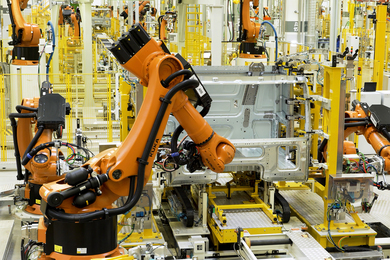
Faster and more accurate than some alternatives, this approach could be useful for robots that interact with humans or work in tight spaces.

MIT spinout DataCebo helps companies bolster their datasets by creating synthetic data that mimic the real thing.
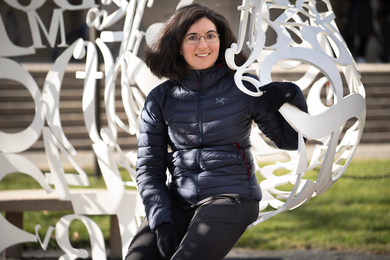
Tamara Broderick uses statistical approaches to understand and quantify the uncertainty that can affect study results.
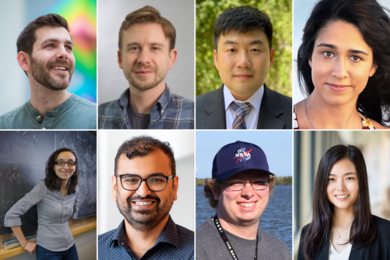
Fellows honored for creativity, innovation, and research accomplishments.

By breaking an intractable problem into smaller chunks, a deep-learning technique identifies the optimal areas for thinning out traffic in a warehouse.

MIT LIDS awarded funding from the Appalachian Regional Commission as part of a multi-state collaborative project to model and test new smart grid technologies for use in rural areas.
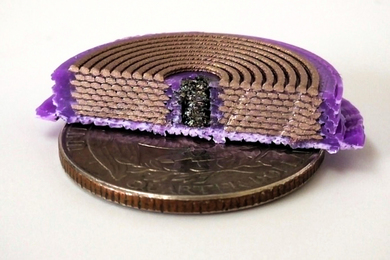
The printed solenoids could enable electronics that cost less and are easier to manufacture — on Earth or in space.

An MIT team precisely controlled an ultrathin magnet at room temperature, which could enable faster, more efficient processors and computer memories.

Undergraduates selected for the competitive program enjoy a seminar series and conversations over dinners with distinguished faculty.
An easy-to-use technique could assist everyone from economists to sports analysts.