Machine learning uncovers potential new TB drugs
Computational method for screening drug compounds can help predict which ones will work best against tuberculosis or other diseases.
Computational method for screening drug compounds can help predict which ones will work best against tuberculosis or other diseases.
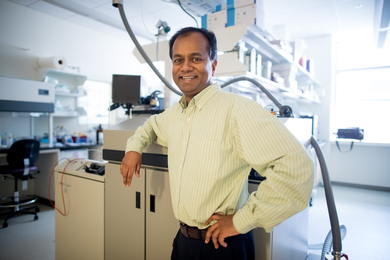
Biological engineer discusses condensing the time taken to develop therapeutics down from many years to a matter of months.
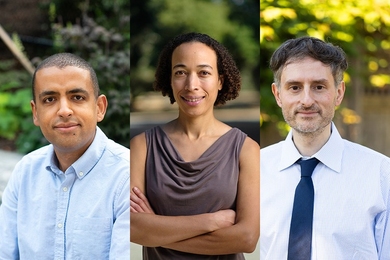
Each recipient will receive a $625,000, no-strings-attached award.

Dwaipayan Banerjee’s new book examines the psychological and social terrain of living with cancer in a country where the disease has long been downplayed.
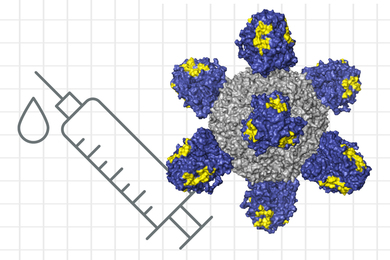
With computer models and lab experiments, researchers are working on a strategy for vaccines that could protect against any influenza virus.
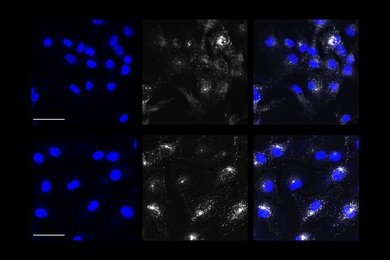
Astrocytes with the APOE4 gene variant show deficits of a key cellular function, but overexpressing the gene PICALM overcame the defect.

Center will work with affiliated researchers to test low-cost, high-impact behavioral interventions to improve health-care delivery and health outcomes for aging adults in the United States.

MIT researchers find blocking the expression of the genes XPA and MK2 enhances the tumor-shrinking effects of platinum-based chemotherapies in p53-mutated cancers.
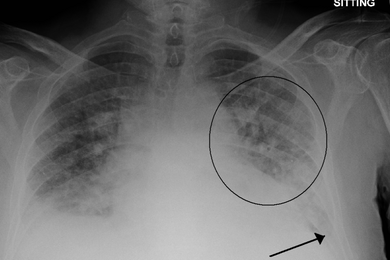
Many health issues are tied to excess fluid in the lungs. A new algorithm can detect the severity by looking at a single X-ray.
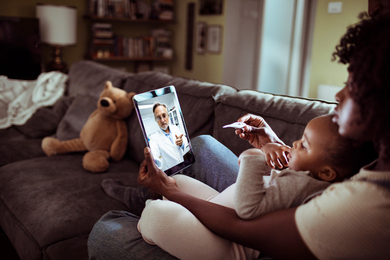
InfiniteMD virtually connects patients with leading medical specialists to give advice on treatment plans, diagnoses, and more.
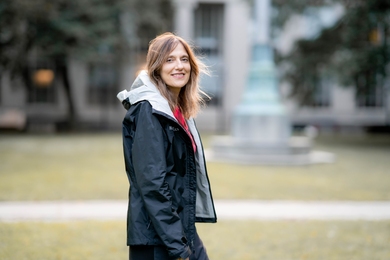
MIT professor announced as award’s first recipient for work in cancer diagnosis and drug synthesis.
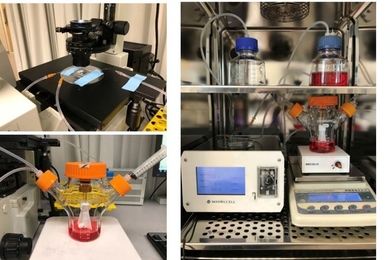
New technology cuts cell culture time by half and uses more targeted cell sorting and purification methods.
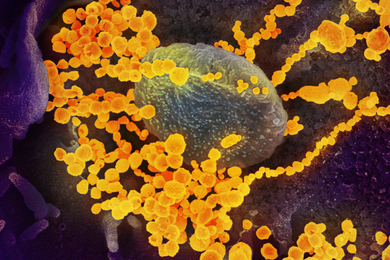
A CRISPR-based test developed at MIT and the Broad Institute can detect nearly as many cases as the standard Covid-19 diagnostic.
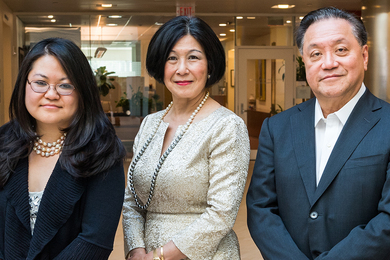
Collaborative research center funded by Lisa Yang and Hock Tan ’75 blends engineering and neuroscience to advance molecular tools for treating brain disorders.

Wireless device captures sleep data without using cameras or body sensors; could aid patients with Parkinson’s disease, epilepsy, or bedsores.