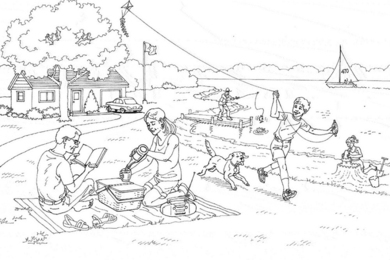
Study illuminates trade-off between complex words and complex sentences
A team of cognitive scientists and doctors finds that patients with aphasia use different cognitive tools to compensate for language deficits.
A team of cognitive scientists and doctors finds that patients with aphasia use different cognitive tools to compensate for language deficits.
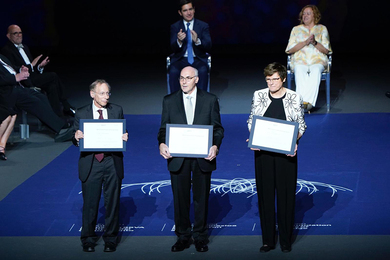
Institute Professor honored for groundbreaking work in nucleic acid delivery and nanoparticles.
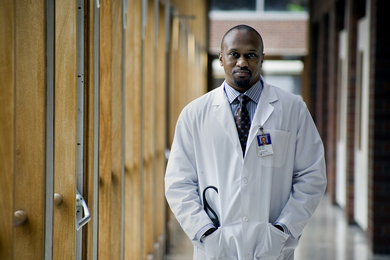
MIT professor will leverage his research into machine learning and computer science, as well as his role as a practicing cardiologist, toward educating clinician-scientists and engineers.
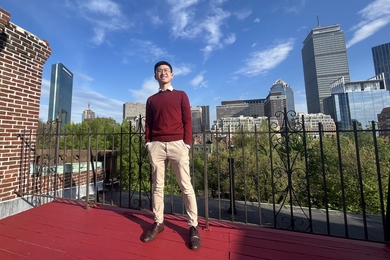
Chih-Wei Joshua Liu ’22 is an aspiring physician-physicist working to unlock the secrets of thermodynamics in biology and medicine.

Tested using a new brain tissue model, the particles may be able to deliver chemotherapy drugs for glioblastoma.
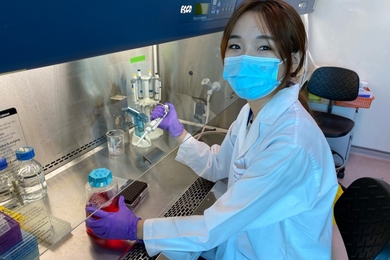
Rapid and accurate analytical test method enhances the production of high-quality cell therapy products.
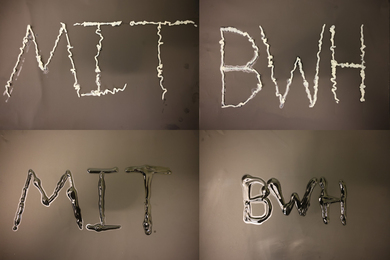
Mixing drugs into oil-based gels could offer relief for children and adults who have trouble swallowing pills.
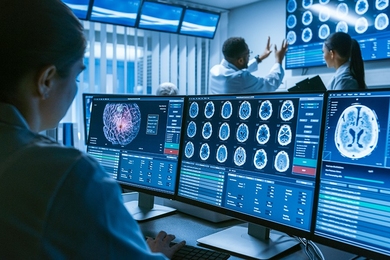
Study shows AI can identify self-reported race from medical images that contain no indications of race detectable by human experts.
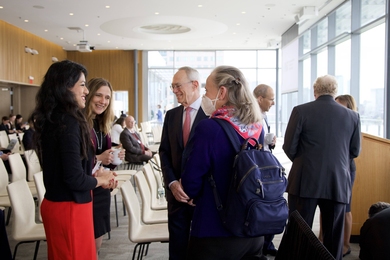
MIT and Mass General Brigham researchers and physicians connect in person to bring AI into mainstream health care.
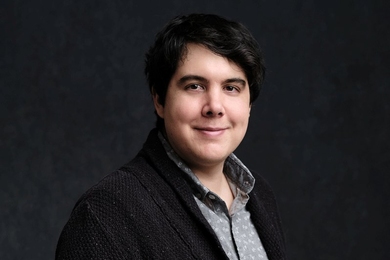
Have a question about numerical differential equations? Odds are this CSAIL research affiliate has already addressed it.
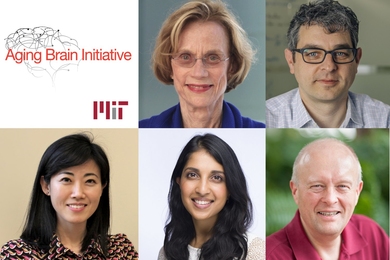
Competitive seed grants launch yearlong investigations of novel hypotheses about potential causes, biomarkers, treatments of Alzheimer’s and ALS.

MIT researchers can now estimate how much information data are likely to contain, in a more accurate and scalable way than previous methods.
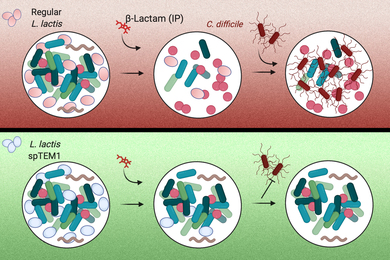
Microbes that safely break down antibiotics could prevent opportunistic infections and reduce antibiotic resistance.
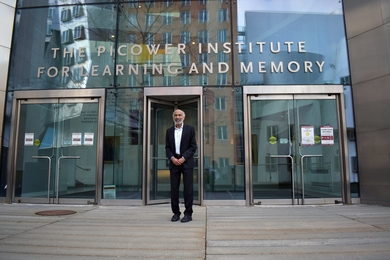
AIMBE's highest honor recognizes MIT professor's contributions to neural signal processing, anesthesiology advances.
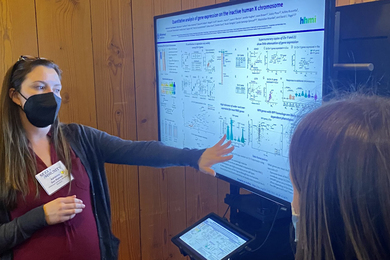
Why has it taken the scientific community so long to include sex as a biological variable in research and analysis as a matter of course?