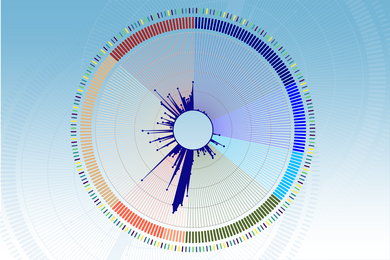
Using machine learning to identify undiagnosable cancers
A new model that maps developmental pathways to tumor cells may unlock the identity of cancers of unknown primary.
A new model that maps developmental pathways to tumor cells may unlock the identity of cancers of unknown primary.
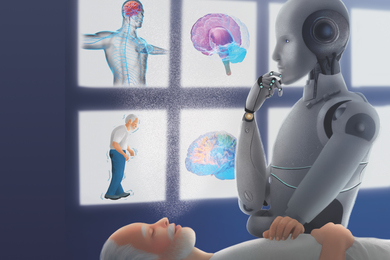
An MIT-developed device with the appearance of a Wi-Fi router uses a neural network to discern the presence and severity of one of the fastest-growing neurological diseases in the world.

The MIT researcher and former professor discusses how Covid-19 and the influx of virtual technologies created a new medical ecosystem that needs more synchronized oversight.

Study: When adults gain access to Medicaid, they sign up their previously unenrolled kids, too — yet many more remain outside the system.
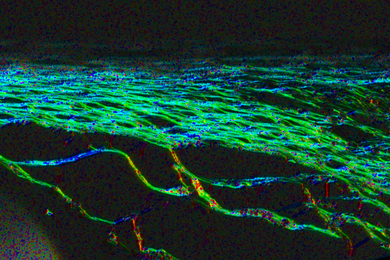
A new device, which doesn’t rely on immunosuppressing drugs, may assist efforts to develop an artificial pancreas to treat diabetes.

New research ties inaccuracies in pulse oximeter readings to racial disparities in treatment and outcomes.
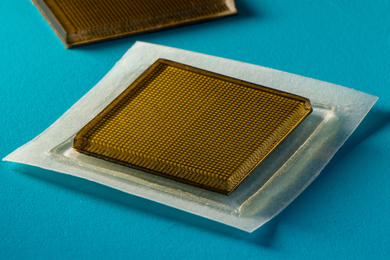
New stamp-sized ultrasound adhesives produce clear images of heart, lungs, and other internal organs.

The PhD student seeks to improve patient care by helping facilities use their limited resources more effectively.
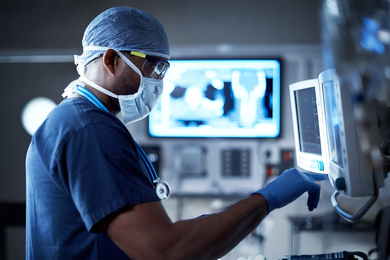
Large study of existing research shows incremental improvement in patient outcomes and productivity, without big employment changes.

Researchers have made strides toward machine-learning models that can help doctors more efficiently find information in a patient’s health record.

With particles that release their payloads at different times, one injection could provide multiple vaccine doses.
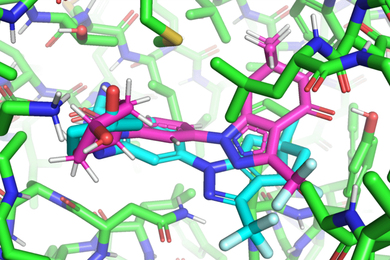
A geometric deep-learning model is faster and more accurate than state-of-the-art computational models, reducing the chances and costs of drug trial failures.
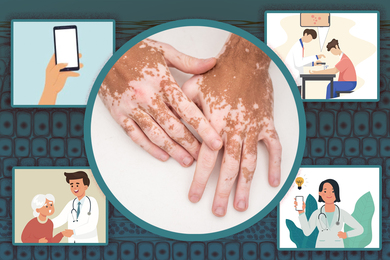
Piction Health, founded by Susan Conover SM ’15, uses machine learning to help physicians identify and manage skin disease.
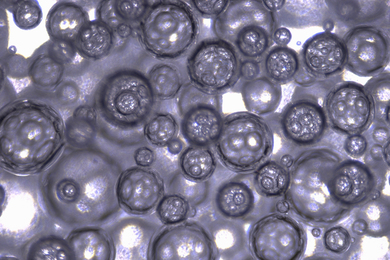
Foams that incorporate small amounts of the gas could be delivered to the GI tract to combat colitis and other conditions.
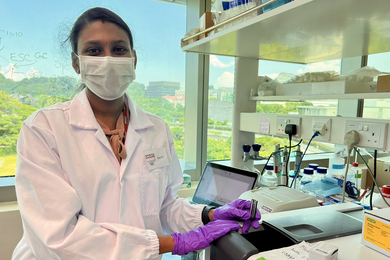
An anomaly-detection model developed by SMART utilizes machine learning to quickly detect microbial contamination.