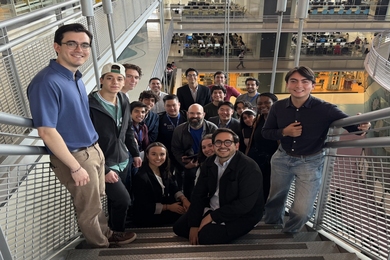
MIT-designed educational factory embraces modern manufacturing
MIT and Tec de Monterrey will expand FrED curriculum to universities across Mexico.
MIT and Tec de Monterrey will expand FrED curriculum to universities across Mexico.
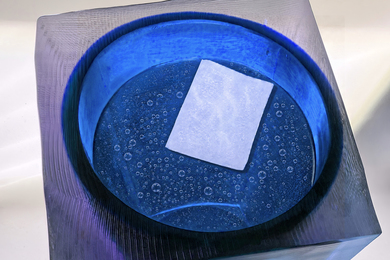
The new aerated material could enable longer-lasting bandages, implants, and wearable sensors.
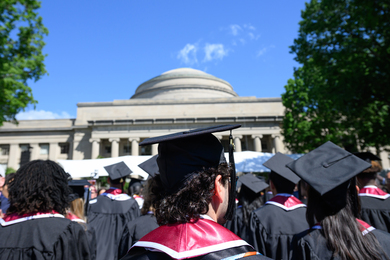
Ranking at the top for the 15th year in a row, the Institute also places first in 12 subject areas.
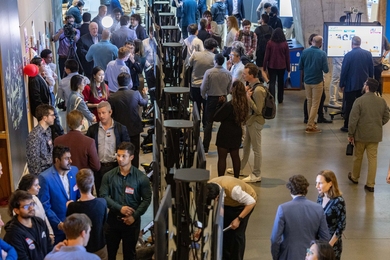
In its first year, INM has worked across research, workforce development, and industry engagement to help accelerate new manufacturing technologies and their real-world deployment.
Ten faculty members have been granted tenure in five units across MIT’s School of Engineering.

After being swallowed, the devices could offer continuous monitoring of patients who are sick or at risk of hypothermia.
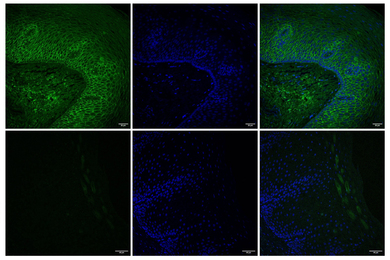
Their new gel-like drug formulation can coat the esophageal lining and release drugs that could help treat inflammatory conditions affecting the esophagus.
The fellowships in applied sciences, engineering, and mathematics recognize doctoral students who are pursuing solutions to the most pressing challenges in science and technology.
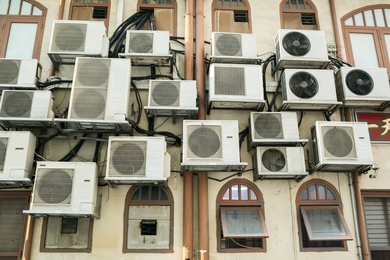
Low-cost personal cooling and emissions-free air conditioning among ideas studied with MIT’s Climate Project seed funding.
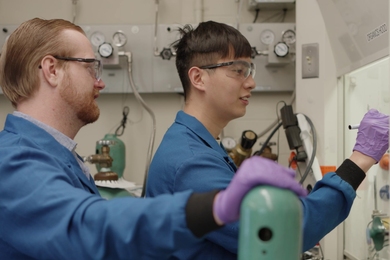
MIT researchers present a promising new approach to efficient, flexible carbon capture and removal.
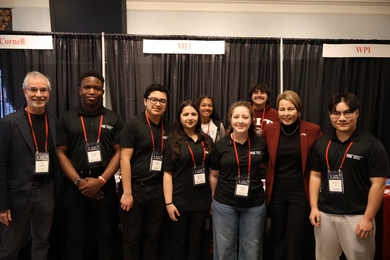
A new MIT student club for FIRST Robotics alumni aims to promote hands-on STEM education enrichment for K-12 students.
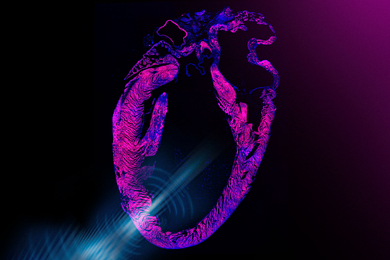
The new design could offer a surgery-free alternative to traditional cardiac implants.
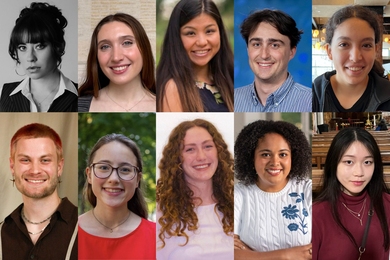
This year, over half of MIT’s Fulbright applicants won awards. The current students and alumni will embark on research projects and teaching abroad in 2026-27.
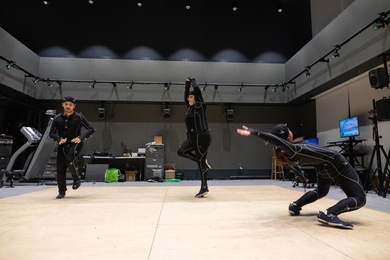
MIT.nano Immersion Lab collaborates with Emerson College students to advance the art of virtual production.
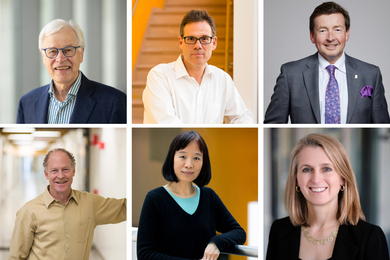
Six MIT faculty, along with 10 additional alumni, are recognized by their peers for their outstanding contributions to research in the natural and social sciences.