
Quantum materials: A new paradigm for computing?
Diamond spintronics and graphene-based infrared detectors are among leading-edge technologies reported at annual Materials Day Symposium at MIT.
Diamond spintronics and graphene-based infrared detectors are among leading-edge technologies reported at annual Materials Day Symposium at MIT.
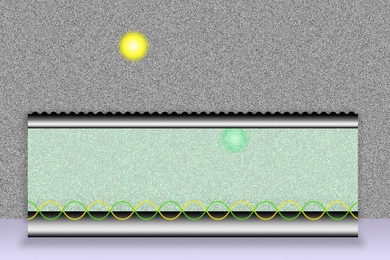
Quantum process increases the number of electrons produced when light strikes a metal-dielectric interface.

International conference at MIT to focus on cooperative research efforts, alternatives to potassium salts for farming.

Jeffrey Grossman applies new materials research to making desalination cheaper and more efficient.

Materials Matter competition, inspired by MIT research, seeks innovations that could help transform the way we view, make, and use materials.
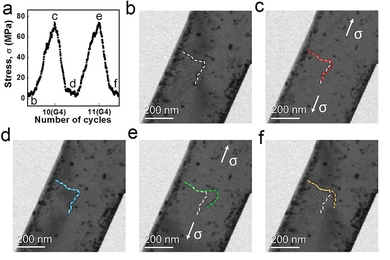
Finding shows small amounts of repeated stretching can eliminate crystal defects in nanoscale metal parts.

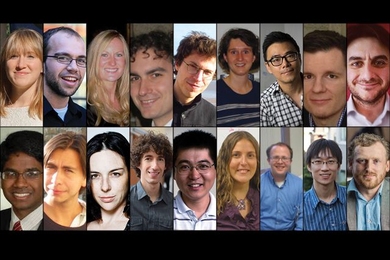
A former Bosnian refugee — and new CEE faculty member — finds parallels in his life, his research, and a current political crisis.
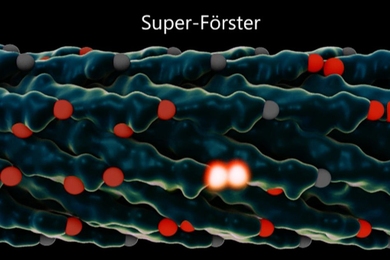
Researchers use engineered viruses to provide quantum-based enhancement of energy transport.
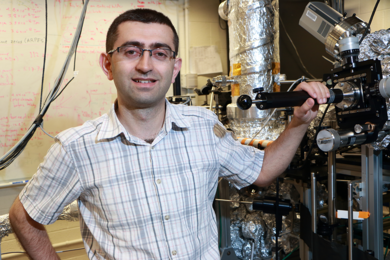
Associate professor's work on topological insulators and atomically thin materials yields new, laser-driven approaches to materials for electronics.
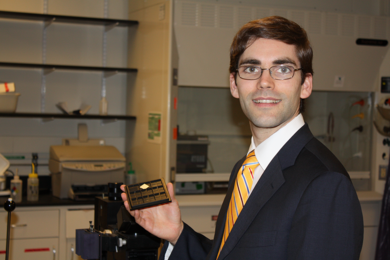
Materials Day, Oct. 14, presents insights into the next generation of extremely thin, tough quantum materials for sensing, energy. and computing devices.

Renewable grants awarded to PIs in materials science and engineering, chemical engineering, and biology.
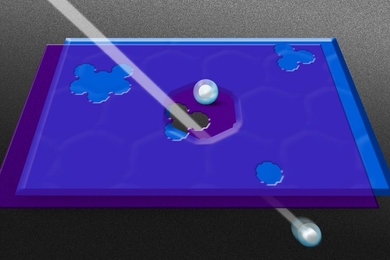
Like biological channels, graphene pores are selective for certain types of ions.

Agreement will support a number of joint research projects, seminars, lectures, and other programming.
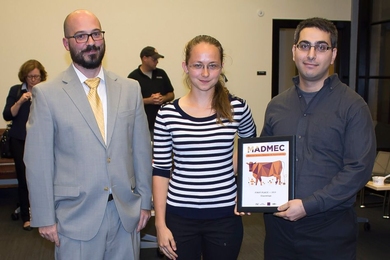
Team wins $10,000 at annual competition for invention inspired by butterfly wings.