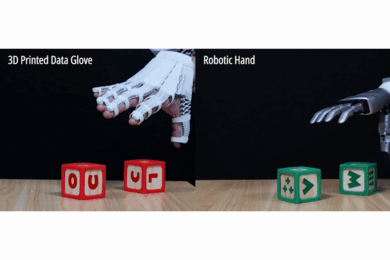
This design software reimagines everyday objects as self-aware devices
“X-Hinges” helps design and 3D print items like lamps and gloves with an interactive twist: automatically embedded sensors that perceive and adaptively respond to human contact.
“X-Hinges” helps design and 3D print items like lamps and gloves with an interactive twist: automatically embedded sensors that perceive and adaptively respond to human contact.
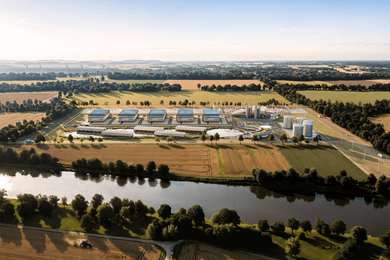
Founded by Jake Jurewicz ’14, SM ’15, Blue Energy aims to manufacture giant pieces of nuclear reactors at shipyards and ship them on barges for final assembly.
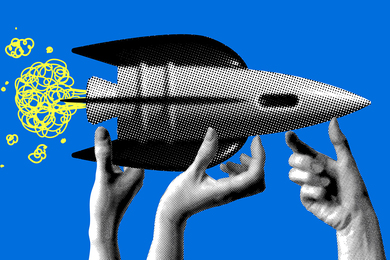
An industry report published by students in an MIT aerospace entrepreneurship class lays out guidance for aspiring space leaders and investors.
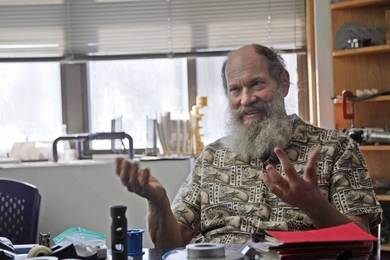
Precision, repeatability, and fun are the focus in mechanical engineering course 2.70 (Fundamentals of Precision Product Design).
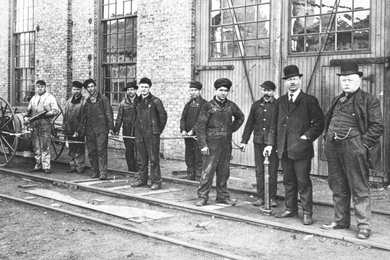
MIT anthropologist Chris Walley developed a project for people in Southeast Chicago to tell their histories — an approach any community can adopt.
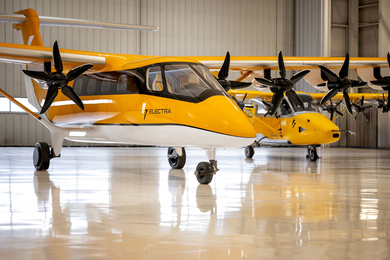
Electra’s hybrid, fixed-wing aircraft, which grew out of a class project, could make travel easier for passengers taking shorter trips.
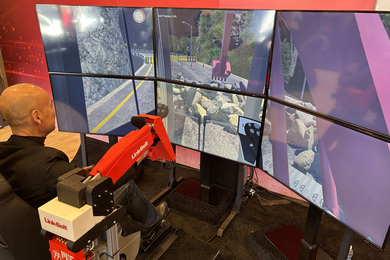
The new, more intuitive system could speed up the training process for excavator operators.
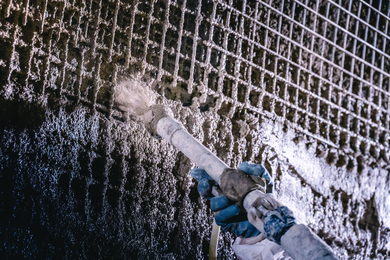
Dmat is commercializing findings from the lab of Associate Professor Admir Masic to make concrete longer-lasting and more sustainable.
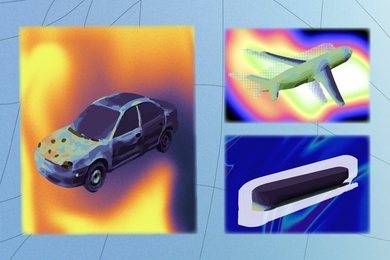
“GeoPT” helps AI models understand the basics of physics so they can simulate how objects respond to things like wind and water more efficiently and accurately.
Initial research projects advance national priorities across natural resources, manufacturing, nuclear physics, and more.
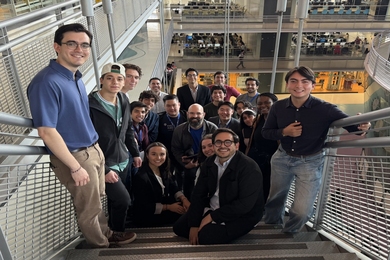
MIT and Tec de Monterrey will expand FrED curriculum to universities across Mexico.
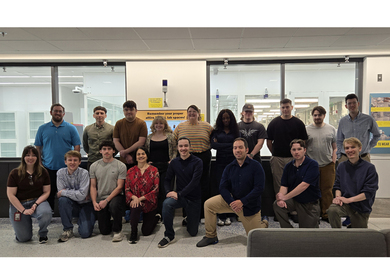
A hands-on boot camp teaches integrated photonics to community and four-year college students in the region.
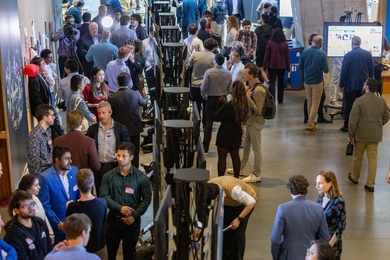
In its first year, INM has worked across research, workforce development, and industry engagement to help accelerate new manufacturing technologies and their real-world deployment.
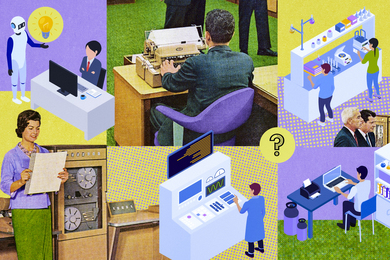
A new study of the postwar U.S. shows which kinds of workers historically filled new tech-enabled jobs.
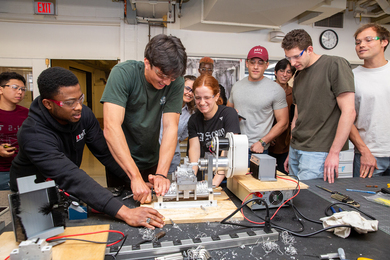
In 2.72/2.270 (Elements of Mechanical Design), “if it doesn’t break the laws of physics, it’s possible; you just have to figure out how to engineer it.”